
Did you find the winter season particularly harsh? Perhaps you did, but surely you also savoured the season’s delightful and delectable winter fruits. But hold on, why are we dwelling on winter? The cold season is drawing to a close, and the arrival of spring is upon us.
Yes, indeed, the onset of spring is here. You may have already sensed it—that captivating, enchanting fragrance that greets you as you stroll past the produce section of your grocery store or wander near open orchards.
You have guessed it correctly; the months of March and April mark the beginning of a beautiful spring and the debut of several luscious, flavorful fruits known as ‘early spring fruits.’ What exactly are these fruits, and what health benefits do they offer? Furthermore, which early spring fruits are in season globally and specifically within the US? We will explore all of this and more in today’s blog post.
- What Counts as Early Spring? (March–April)
- Quick List of Early Spring Fruits in Season (March–April)
- U.S. Availability Guide: Spring Fruits:
- U.S. Regional Breakdown (West | South | Northeast | Midwest)
- Worldwide Early Spring Fruits Availability:
- Early Spring Fruits in season (Full Guide for Each Fruit)
- How to Pick the Best Early Spring Fruit (Fruit-by-Fruit Guide)
- Storage & Shelf-Life Guide (What Keeps Longest?)
- Nutrition Snapshot: 10 Early Spring Fruits Compared:
- Quick & Easy Recipes Using Early Spring Fruits in season:
- Why Buy Fruit in Season? (Flavor, Price & Health Benefits)
- Early Spring Farmers Market Guide (U.S.)
- Final words:
- Frequently Asked question:
What Counts as Early Spring? (March–April)
Seasons change depending on where you live on Earth. lets know where and when spring starts with its delight fruits.
Early Spring in the Northern Hemisphere (U.S., Canada, UK, Europe)
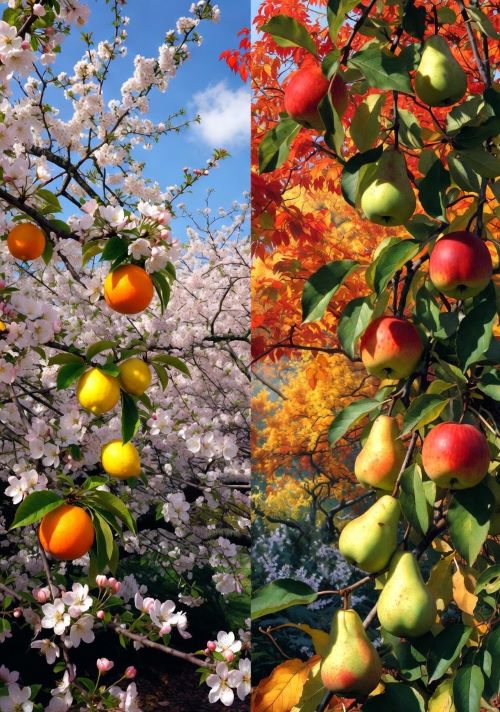
In places north of the equator, March and April are the start of spring. Winter is ending, and the days get longer and warmer. Citrus fruits from winter are still good, and the first berries start to appear.
Early Spring in the Southern Hemisphere (Australia, NZ, South Africa)
Here, March and April are fall! It’s like autumn in the north. They have fruits like apples and pears that we get in our fall.
Tropical Regions (Seasonality vs Peak Periods)
In hot places near the equator, like Hawaii or parts of Mexico, fruits grow all year. But some taste sweetest in certain months because of rain or sun.
The world has different seasons, so we can get fresh fruit anytime by trading with other countries!
Quick List of Early Spring Fruits in Season (March–April)
Here are the best fruits to look for right now:
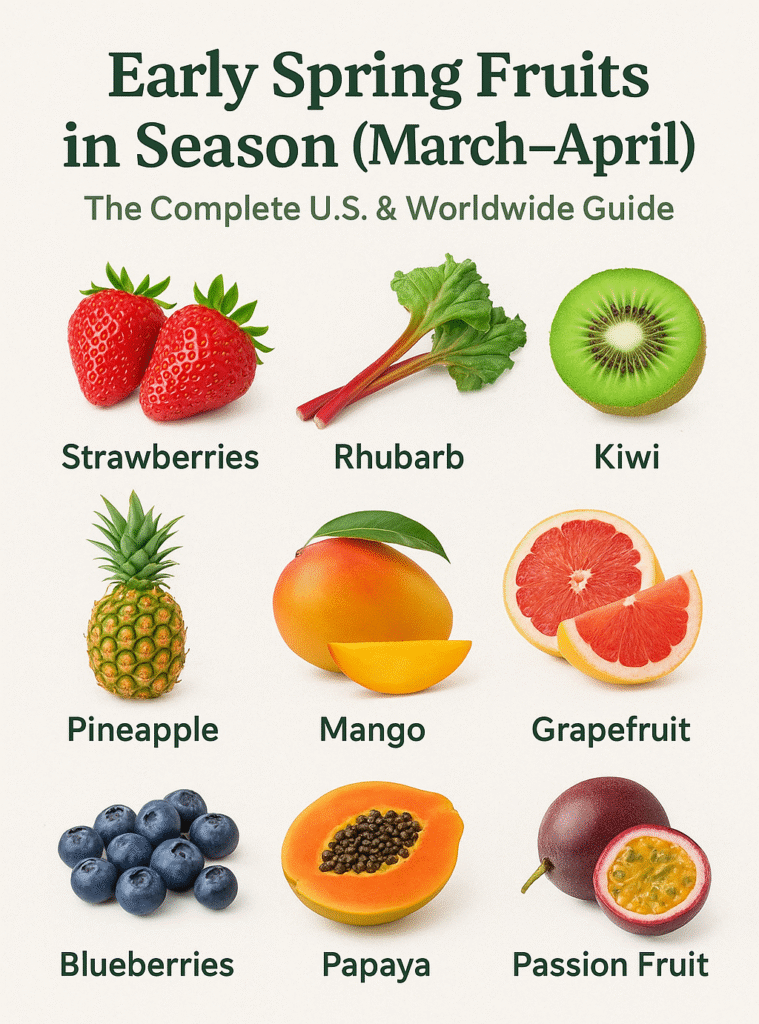
- Strawberries (starting in warm areas)
- Rhubarb (it’s like a veggie but used as fruit)
- Kiwi
- Pineapple
- Grapefruit
- Oranges
- Tangerines
- Mango (early types)
- Papaya
- Apricots (very early in hot spots)
- Avocado
- Passion fruit
- Blueberries (early from the south)
These are fresh and yummy in March and April!
U.S. Availability Guide: Spring Fruits:
What’s in Season in March:
March still has lots of citrus, like oranges, grapefruit, and tangerines. These come from warm states like Florida, California, and Texas. Pineapple peaks now, too. Some early strawberries from Florida or California start showing up. Many fruits are imported from warmer countries.
What’s in Season in April:
April brings more change! Citrus starts to slow down. Strawberries get better and cheaper. Rhubarb appears. Early blueberries from Florida and Georgia start. Avocado season ramps up in California.
It’s a shift from winter citrus to spring berries!
U.S. Regional Breakdown (West | South | Northeast | Midwest)
Where you live changes what is local and fresh.
West Coast (California, Oregon, Washington)
Lucky you! Early strawberries from California start in March. Kiwi and citrus are finishing strong. Avocados peak soon.
Southern States (Florida, Texas, Georgia)
Best for early stuff! Strawberries in March, early blueberries in April. Lots of citrus all through.
Northeast (NY, NJ, PA, New England)
Not much local fresh fruit yet—still cold! You get imports like pineapple, mango, and citrus.
Midwest (IL, OH, MI, MN)
Same as the northeast. Imported fruits are best until May when things warm up.
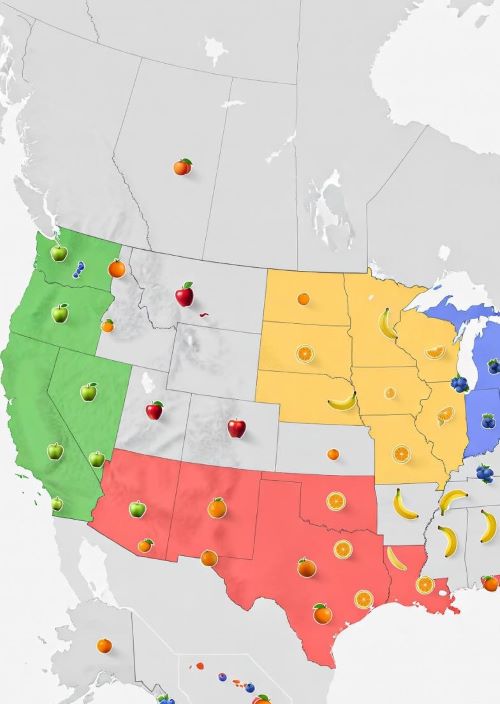
| Region | Best March Fruits | Best April Fruits | Notes |
| West Coast | Citrus, kiwi, early strawberries | Strawberries, avocados, rhubarb | Earliest local berries |
| South | Citrus, strawberries | Strawberries, early blueberries | Warmest – starts first |
| Northeast | Imported citrus, pineapple | Imported + some early strawberries | Mostly imports |
| Midwest | Imported tropicals | Imported + starting strawberries | Wait for May for more local |
Worldwide Early Spring Fruits Availability:
| Place | March–April Season | Top Fruits Available |
| U.S. (Northern) | Early Spring | Citrus, early strawberries, pineapple |
| UK & Europe | Early Spring | Imported citrus, kiwi, early rhubarb |
| Australia & New Zealand | Fall | Apples, pears, citrus ending |
| Tropical Countries | Year-round peaks | Mango, papaya, passion fruit, guava |
Tropical places send us yummy fruits when our land is still cold!
Early Spring Fruits in season (Full Guide for Each Fruit)
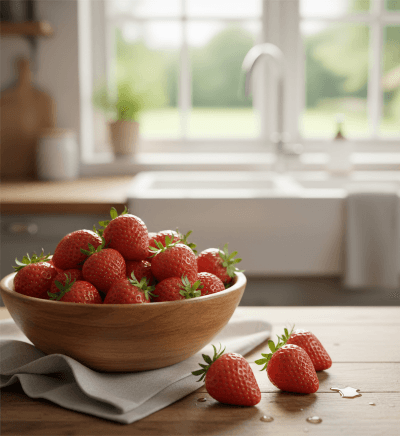
1. Strawberries:
The first jewel of spring, strawberries burst onto the scene in March–April from Florida and California, glowing bright red with an irresistible sweet perfume. Packed with vitamin C and antioxidants, they’re nature’s low-calorie candy that boosts immunity and skin health.
Keep them unwashed in the fridge for up to 5 days, and enjoy them fresh, in salads, or turned into a quick warm compote. Nothing says “spring has arrived” like the first perfectly ripe strawberry straight from the punnet.
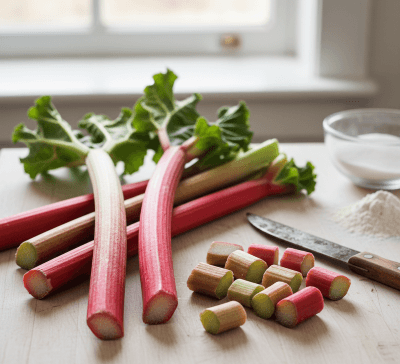
2. Rhubarb:
Vivid pink-red stalks of tart rhubarb appear in early April, announcing spring with their sharp, wake-up tang. Remember: only the stalks are edible—the leaves are toxic, so discard them immediately.
Its bold sourness shines when cooked with sugar into pies, crumbles, sauces, or syrups for cocktails and desserts. This classic “pie plant” pairs beautifully with strawberries for the ultimate spring flavor harmony.
Quick recipe: Rhubarb sauce – Chop stalks, boil with sugar and water.
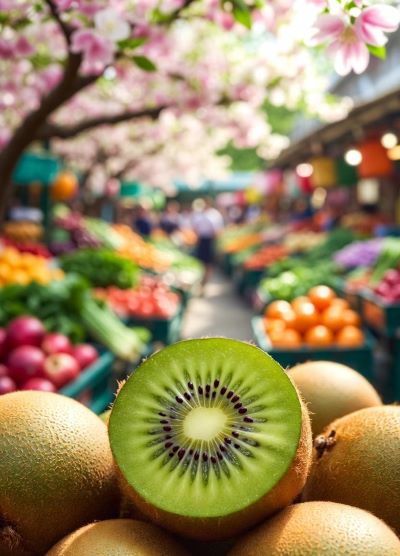
3. Kiwi:
Fuzzy little kiwis reach peak sweetness in early spring, delivering more vitamin C than an orange in every bite. Bright emerald flesh studded with tiny black seeds offers a tropical tang that’s excellent for skin and immune support.
Let firm kiwis soften at room temperature, then store ripe ones in the fridge for up to a week. Slice in half and scoop with a spoon for the fastest, most refreshing spring snack.
4. Pineapple:
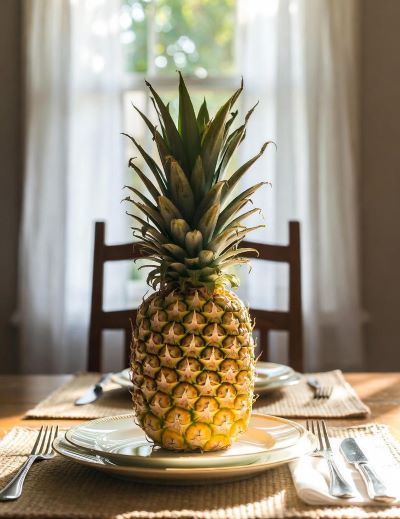
From March to July, pineapples hit their sweetest, juiciest peak—golden, fragrant, and dripping with tropical sunshine. Choose one by smelling the base: a strong sweet aroma means it’s ready; a little golden color on the skin is perfect.
High in bromelain (great for digestion) and vitamin C, it’s delicious fresh, grilled, or blended into smoothies. A single ripe pineapple instantly turns any spring day into vacation mode.
5. Grapefruit & Citrus (oranges, tangerines)
The tail end of winter citrus season brings the sweetest, juiciest grapefruit, oranges, and easy-peel tangerines from Florida, California, and Texas. Bursting with vitamin C and bright, sunny flavor, they’re the perfect wake-up breakfast or afternoon snack.
Store in the fridge to keep them up to two weeks; segment or juice for maximum refreshment. These vibrant fruits are spring’s last hurrah of pure citrus sunshine before berries take over.

6. Early Apricots:
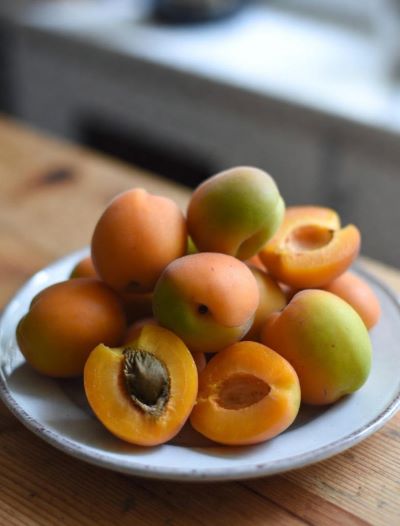
In warm California pockets, the first delicate apricots blush orange in late spring, offering a fleeting honey-sweet treat. Velvety skin and juicy flesh deliver beta-carotene and fiber in every small, precious bite. Ripen on the counter until they yield gently to pressure, then eat immediately or turn into jam.
Because they’re so rare this early, finding fresh early apricots feels like discovering edible gold.
7. Mango (Early Season):
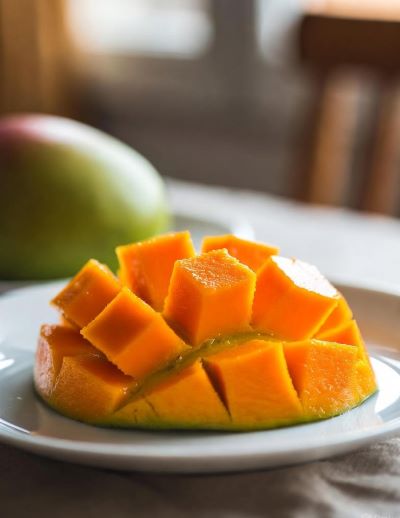
Early-season mangoes from Mexico and South America arrive silky-smooth and dripping with nectar-like sweetness. Their vibrant orange flesh is rich in vitamins A and C, perfect for eyes, skin, and immunity.
Ripen on the counter until slightly soft, then slice cheeks, score, and scoop into perfect golden cubes. One bite transports you straight to a tropical beach—no passport required.
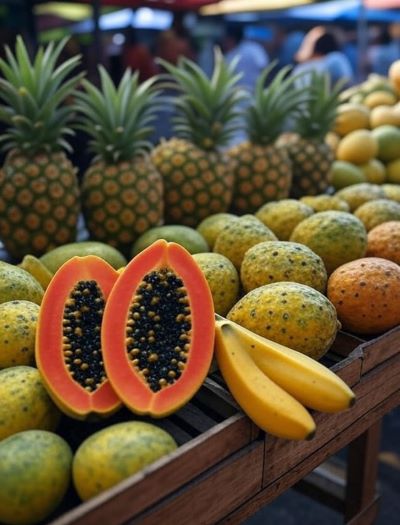
8. Papaya:
spring papayas glow sunset-orange inside, delivering buttery texture and gentle sweetness from Hawaii and Central America. Loaded with papain (an enzyme that aids digestion) and more vitamin C than most fruits.
Choose ones turning yellow-orange that give slightly to pressure; scoop out black seeds and enjoy. Its creamy, melon-peach flavor makes the ultimate refreshing breakfast bowl or smoothie base.
9. Passion Fruit:
Wrinkly purple or yellow passion fruits signal perfect ripeness—inside lies an explosion of aromatic, tangy-sweet seeds. Bursting with vitamin C, fiber, and antioxidants, they’re tiny powerhouses of tropical flavor.
Cut open, scoop the juicy pulp, and spoon over yogurt, cocktails, or desserts for instant exotic flair. Their intense perfume and jewel-like interior make every use feel like a vacation in a spoonful.

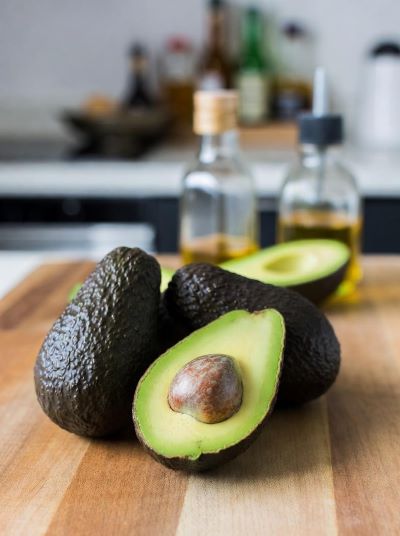
10. Avocado (Hass)
California’s Hass avocado season ramps up in spring, turning those bumpy dark skins into creamy, rich green gold. Full of heart-healthy fats, potassium, and fiber—more potassium than a banana! Speed ripening by placing in a paper bag with an apple or banana; refrigerate only when perfectly soft. From toast to salads to smoothies, spring Hass avocados are the ultimate creamy comfort.
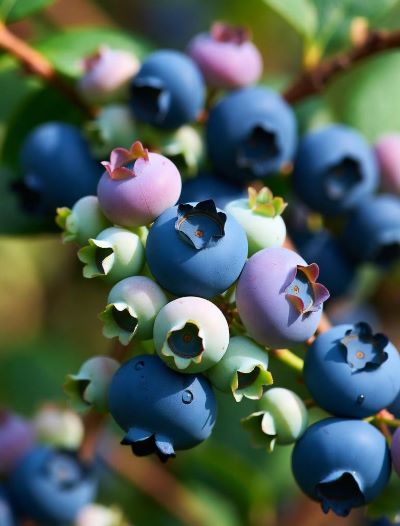
11. Blueberries (Early Varieties)
The very first blueberries arrive in April from Florida and Georgia—plump, sweet-tart, and dusted with a silvery bloom. Tiny but mighty, they’re one of the highest-antioxidant fruits, protecting cells and boosting brain health.
Eat fresh for the best pop of flavor, or freeze straight on the tray for year-round smoothies. These early gems are the official taste of spring turning into summer.
How to Pick the Best Early Spring Fruit (Fruit-by-Fruit Guide)
| Fruit | Signs of Ripeness | Avoid | Aroma | Best Color | Shelf Life |
| Strawberries | Bright red, shiny | White shoulders, mushy | Sweet smell | Deep red | 3–5 days fridge |
| Pineapple | Sweet smell at base | No smell or fermented | Strong sweet | Golden yellow | 1 week |
| Mango | Gives a little when pressed | Hard or too soft | Fruity | Red/yellow | 5 days |
| Kiwi | Soft like a ripe peach | Rock hard | Mild | Brown fuzzy | 1 week |
| Citrus | Heavy for size, firm | Dry or puffy skin | Citrus smell | Bright | 2 weeks |
| Avocado | Yields to gentle pressure | Too hard or dents | None | Dark green/black | Ripen on counter |
Storage & Shelf-Life Guide (What Keeps Longest?)
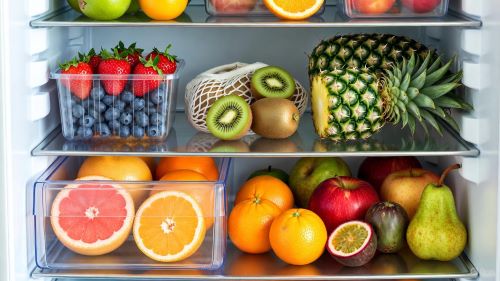
Fridge Storage Times
Citrus and apples last longest (2–4 weeks). Berries shortest (3–7 days).
Freezing Guide
Strawberries, blueberries, mango chunks freeze great! Slice, freeze on a tray, then bag.
How to Wash & Prep Early Spring Fruit Safely:
Wash under running water. For berries, wash right before eating to avoid mold.
| Fruit Type | Fridge Time | Freezes Well? | Best Prep Tip |
| Berries | 3–7 days | Yes | Gentle wash |
| Citrus | 2–4 weeks | Segments | Peel & section |
| Tropical | 5–10 days | Yes chunks | Cut fresh |
Nutrition Snapshot: 10 Early Spring Fruits Compared:
| Fruit | Calories (per cup) | Fiber (g) | Vitamin C (% daily) | Antioxidants | Notes |
| Strawberries | 50 | 3 | 150% | High | Heart healthy |
| Kiwi | 90 | 5 | 200%+ | Very high | Skin booster |
| Pineapple | 80 | 2 | 100% | Good | Digestion help |
| Orange | 70 | 3 | 100% | High | Immune boost |
| Mango | 100 | 3 | 100% | Very high | Eye health |
| Avocado | 240 (1 whole) | 10 | 20% | Good | Healthy fats |
| Blueberries | 80 | 4 | 25% | Very high | Brain food |
| Grapefruit | 50 | 2 | 100% | High | Low sugar |
| Papaya | 60 | 3 | 150% | High | Tummy soother |
| Rhubarb | 25 (cooked) | 2 | Low | Some | Needs sugar |
Quick & Easy Recipes Using Early Spring Fruits in season:
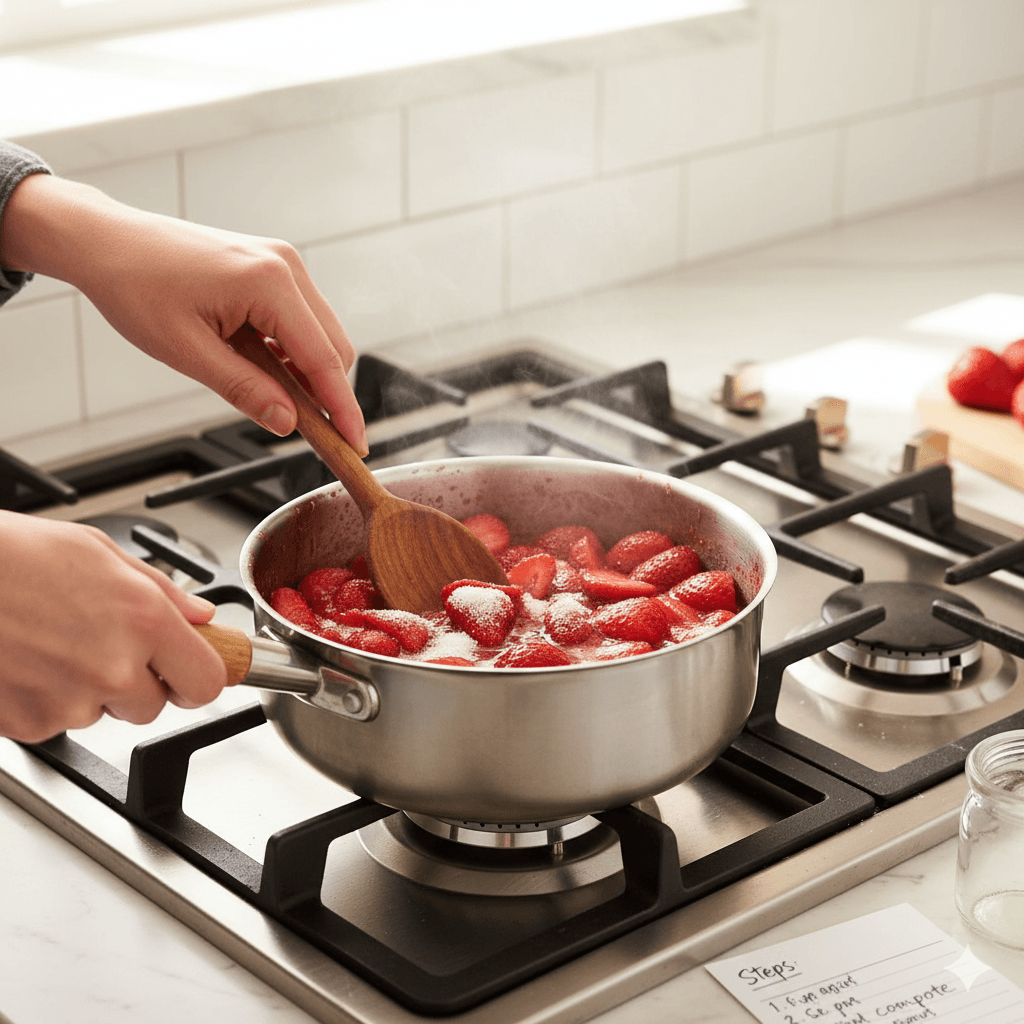
1. 5-Minute Strawberry Berry Compote:
Perfect on yogurt, oatmeal, pancakes, or ice cream.
Ingredients (makes about 1¾ cups)
- 2 cups (300g) fresh strawberries, hulled and halved (or quartered if large)
- 2–3 tablespoons sugar (adjust to how sweet your berries are)
- 1 tablespoon water or lemon juice
- Optional: ½ teaspoon vanilla or a tiny pinch of salt

Steps to enjoy:
- Put strawberries, sugar, and water/lemon juice in a small saucepan.
- Turn heat to medium. As soon as it starts bubbling, reduce to medium-low.
- Cook for 4–6 minutes, stirring occasionally and lightly mashing some berries with a spoon until it looks saucy but still has nice chunks.
- Remove from heat. It will thicken more as it cools.
- Serve warm or let cool and store in a jar in the fridge for up to 5 days (or freeze).
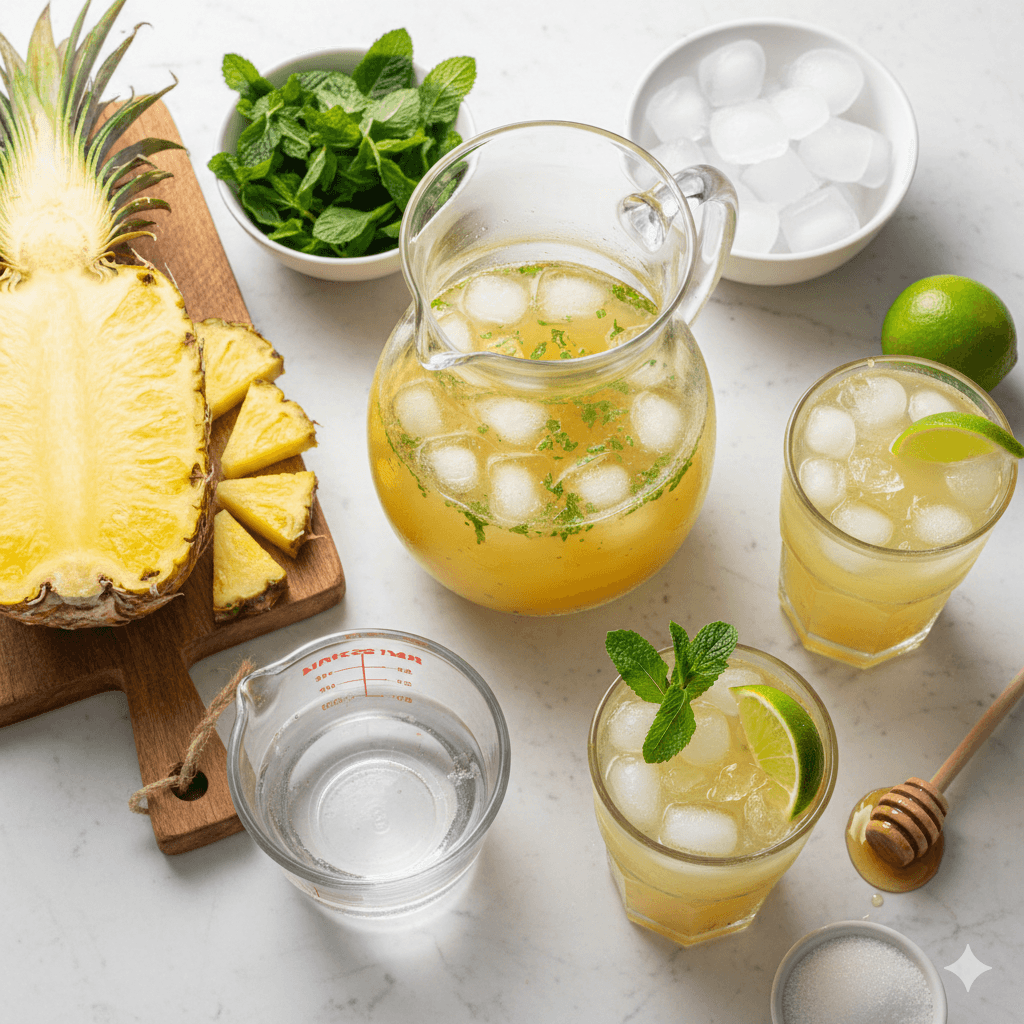
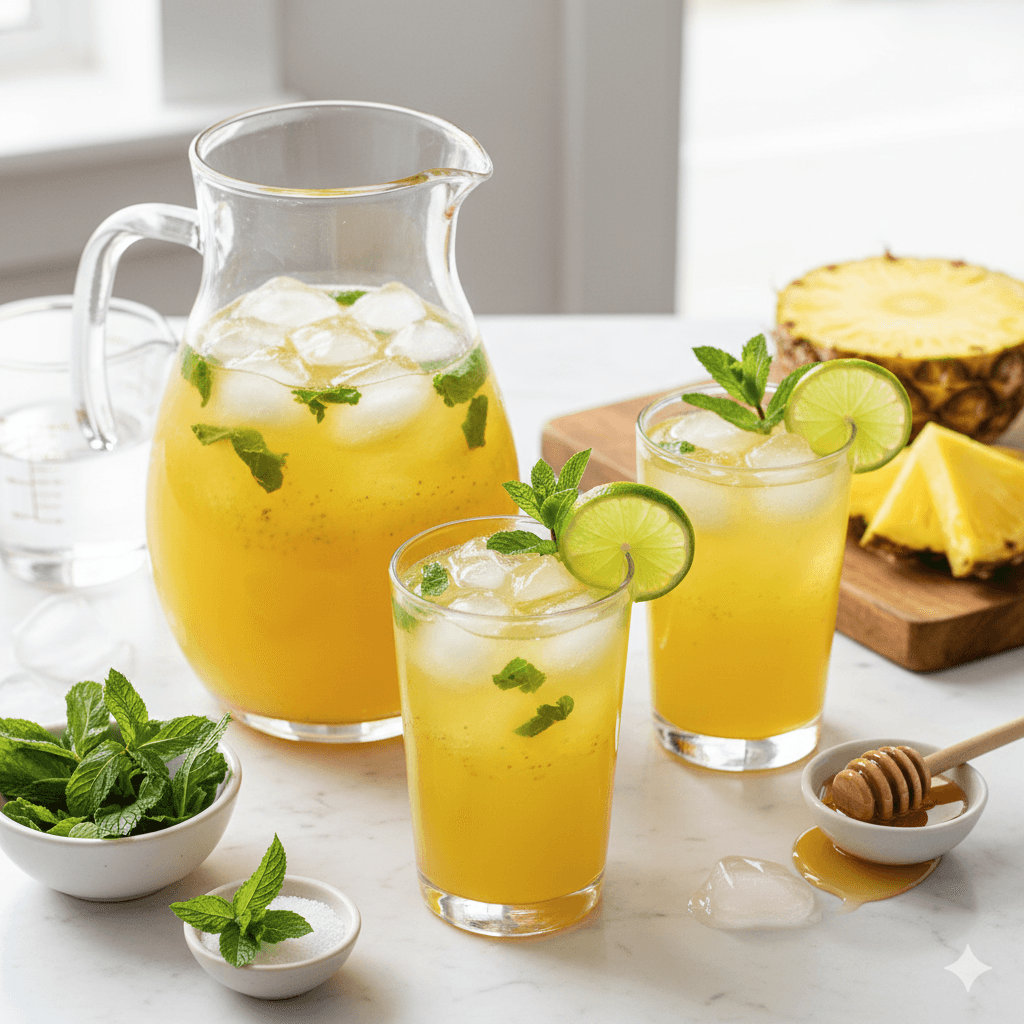
2. Pineapple Mint Cooler (Refreshing Drink):
Serves 2 large or 4 small glasses:
Ingredients
- 2 cups fresh pineapple chunks (about ½ medium pineapple)
- 10–15 fresh mint leaves
- 1–2 cups cold water (start with 1 cup for thicker, add more to taste)
- 1–2 cups ice cubes
- Optional: 1–2 teaspoons honey or sugar if your pineapple isn’t super sweet
- Lime wedge for extra zing
Steps to make:
- Put pineapple, mint, and 1 cup water in a blender.
- Blend on high until completely smooth, 30–60 seconds.
- Add ice and blend again until frothy.
- Taste and add honey/sugar if needed, blend again.
- Pour into glasses. Add an extra splash of cold water if you want it thinner. Garnish with mint and a lime wedge.
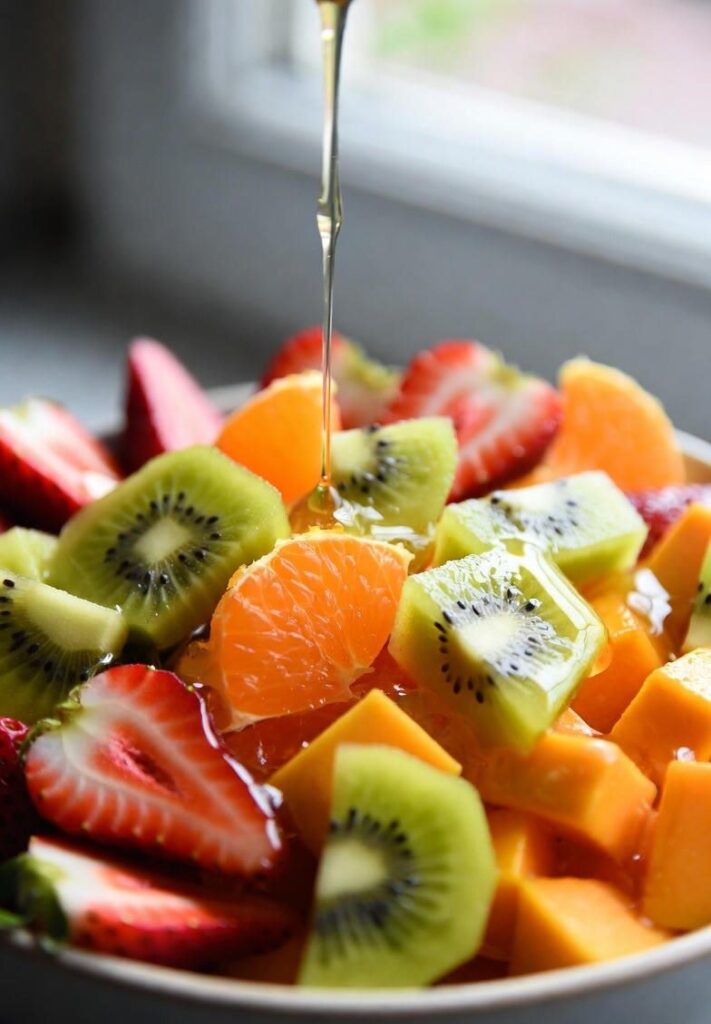
3. Early Spring Fruit Salad Recipe:
Serves 4–6
Ingredients
- 3 kiwi fruits, peeled and diced
- 2 cups fresh strawberries, hulled and sliced
- 2 large oranges, peeled and cut into bite-sized pieces (or 3–4 mandarins)
- 1 large ripe mango, diced (or 2 small)
- Optional dressing: 1 tablespoon honey + 1 tablespoon fresh lime juice, whisked together
Steps for Done:
- Put all the cut fruit in a large bowl.
- If using the honey-lime dressing, drizzle it over and gently toss.
- Serve immediately or chill up to 2 hours (any longer and the strawberries soften too much).
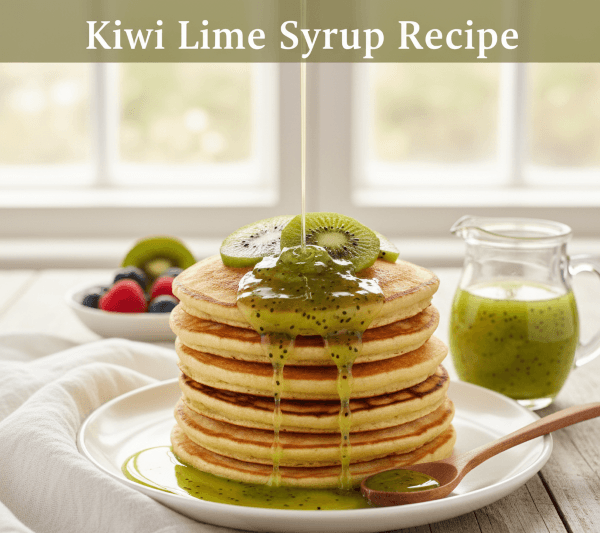
4. Kiwi Lime Syrup Recipe(Amazing on pancakes, waffles, or yogurt)
Makes about 1 cup
Ingredients
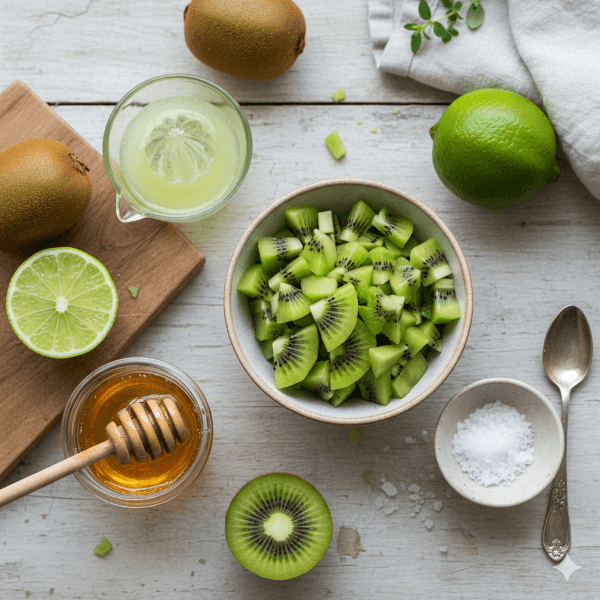
- 4 ripe kiwis, peeled and roughly chopped
- Juice of 1 large lime (about 2–3 tablespoons)
- 2–4 tablespoons honey or sugar (taste your kiwis first – very ripe ones need less)
- Pinch of salt (brings out flavor)
Steps
- Put everything in a blender or food processor.
- Blend until completely smooth, 30–45 seconds.
- Taste and add more honey or lime if needed.
- Strain through a fine sieve if you want it super smooth (optional – I usually skip this).
- Pour over pancakes, waffles, French toast, or spoon over yogurt. Keep in the fridge for up to 4 days.
5. Mango-Yogurt Parfait Recipe:
Serves 2 (easy to double)
Ingredients
- 1 large ripe mango, diced (about 1½–2 cups)
- 1½ cups plain or vanilla Greek yogurt (or your favorite yogurt)
- ½–¾ cup granola (store-bought or homemade)
- Optional extras: toasted coconut, chopped nuts, a drizzle of honey
Steps
- Spoon ¼ of the yogurt into each of two glasses or jars.
- Add a layer of mango chunks.
- Sprinkle a layer of granola.
- Repeat the layers (yogurt → mango → granola).
- Finish with a little extra mango and granola on top.
- Eat right away so the granola stays crunchy!
6. Grapefruit Honey Spritz (Zero-Proof Mocktail)
Serves 2
Ingredients
- 1 large pink or ruby red grapefruit (gives about ¾–1 cup juice)
- 1–2 tablespoons honey (depending on how tart your grapefruit is)
- 1½ cups cold sparkling water or club soda
- Ice
- Optional: fresh mint or rosemary sprig for garnish
Steps
- Juice the grapefruit (roll it on the counter first to get more juice).
- In a small bowl or directly in the serving glasses, stir the honey into the fresh grapefruit juice until it dissolves.
- Fill two glasses with ice.
- Pour half the grapefruit-honey mixture into each glass.
- Top with sparkling water, stir gently, and garnish with mint or a thin grapefruit slice.
Enjoy these super-simple, fresh, early-spring recipes – all ready in under 10 minutes and bursting with March–April flavor.

Why Buy Fruit in Season? (Flavor, Price & Health Benefits)
- Cheaper prices at the store or market.
- Way better taste – super sweet and juicy!
- More vitamins because they ripen on the plant.
- No need for extra chemicals to keep them fresh long.
- Better for the Earth – less truck or plane travel.
Early Spring Farmers Market Guide (U.S.)
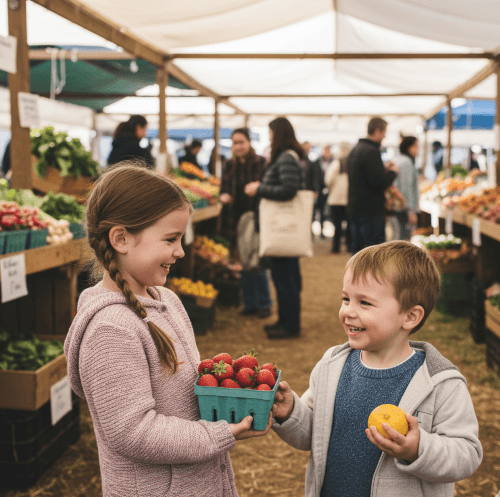
Early spring (March and April) is when farmers markets across the U.S. start waking up after winter. The exact opening dates and what you’ll find depend on where you live, but this is the exciting “shoulder season” when winter citrus is still abundant and cheap, and the very first local berries and spring specialties begin to appear.
When Do Markets Re-Open or Switch to Full Spring Mode?
- Southern states (Florida, Georgia, Alabama, Texas, Carolinas): Many markets never close and are already loaded with strawberries by early–mid March.
- California: Year-round in most areas; strawberry and citrus volume explodes in March–April.
- Midwest & Northeast: Outdoor markets usually reopen mid-to-late April (some start with “indoor winter markets” in March).
- Pacific Northwest: Most Saturday markets restart in March or early April with greenhouse and overwintered items.
What You’ll Actually Find in March–April:
Expect a mix of late-winter storage/overwintered crops + the very first spring things:
| Month | Almost Everywhere (often local or regional) | South & California Only (local) | Rare/Early Treats if You’re Lucky |
| March | Citrus (oranges, grapefruit, tangerines, lemons), kiwi, avocados, pineapple (Hawaii), apples (storage) | Florida strawberries, early greenhouse greens | Blood oranges (end of season) |
| April | Strawberries (now nationwide), rhubarb, avocados, citrus still strong | Georgia/Florida blueberries, Texas peaches (very early varieties), California cherries (late April in warm spots) | Morels, fiddlehead ferns, spring onions |
Early spring markets are all about that magical transition: saying goodbye to winter citrus and hello to the first berries. Get there early, chat with the farmers, and you’ll go home with the sweetest, cheapest, and most vitamin-packed fruit of the year!
Final words:
Early spring (March–April) truly feels like nature’s sweet transition: the bright, juicy citrus that carried us through winter is still at its peak, bursting with sunshine in every bite, while the very first strawberries and rhubarb quietly arrive, hinting at the berry explosion to come.
These fruits aren’t just delicious—they’re at their nutritional best, packed with vitamin C when our bodies crave it most after the cold months. Shopping in season means better flavor, lower prices, and a smaller carbon footprint, all while supporting the farmers who get up at dawn to bring us that perfect pint of berries.
Frequently Asked question:
1. What is the number one healthiest fruit?
There is no single “healthiest” fruit, as it depends on criteria (e.g., nutrient density, antioxidants, low calories). However, lemons top many scientific rankings due to their extremely high vitamin C, fiber, and antioxidants in very few calories—one study found a small amount meets 100% of daily nutritional needs efficiently. Blueberries are a close second for their powerful anthocyanins linked to brain health, heart protection, and anti-aging effect
2. What fruits are in four seasons?
Four seasons” usually means fruits available year-round (all four seasons) in most U.S. markets due to global sourcing and storage.
Common year-round fruits include:
- Bananas (imported steadily)
- Apples (cold storage + imports)
- Oranges/citrus (northern/southern hemisphere rotation)
- Avocados, pineapples, grapes, kiwi, lemons/limes True local “four-season” fruits are rare in temperate climates, but these are reliably found fresh every month.
3. What is the first fruit in spring?
Rhubarb (technically a vegetable used as fruit) appears earliest in cold climates, followed by early citrus endings. But for classic fruit, strawberries signal spring’s arrival at farmers’ markets, with peak flavor and lowest prices April–June. Apricots and cherries follow shortly after.
4. What fruit is in season in April in the USA?
April is a transition month—ending winter citrus, starting spring berries and early stone fruits.
(peak or starting in April):
- Strawberries (main spring star)
- Pineapple, avocado, mango
- Remaining citrus: oranges, grapefruit, lemons, limes, kumquats
- Early cherries (warmer areas), rhubarb, apricots (late April in CA)
- Honeydew melon, kiwi Availability varies by region—California/Florida ship nationwide early.
5. Which spring fruit is the healthiest?
Strawberries — low calorie, extremely high in vitamin C (more than oranges per serving), fiber, and antioxidants (anthocyanins, ellagic acid) that support heart health, reduce inflammation, and may lower cancer/diabetes risk.
6. What is the most eaten fruit in the United States?
while according to Latest USDA/Statista data (2022–2024),Bananas rank #1 in both per-capita consumption (~26–28 lbs/person/year) and purchase frequency (63% of Americans buy them regularly).