
When are citrus fruits in season? Right now, if you’re reading this its ends of October month—early birds like tangerines and grapefruits are just starting to hit shelves, with navel oranges trickling in soon! That first explosive bite of a tree-ripened navel orange still warm from a Florida grove changed my life.
The peel spiraled off in one perfect ribbon, and the juice ran down my wrist like liquid sunshine. Moments like these only happen when are citrus fruits in season. Let’s make sure you never miss them again—whether you buy citrus online or hunt them at your local market.
- When Are Citrus Fruits in Season in USA – Regional Sweet Spots:
- What Are the Sweetest Oranges in Season Now – Taste-Test Winners:
- When Are Mandarins in Season – Easy-Peel Magic:
- When Are Tangerines in Season – Zippier Cousins:
- When Are Citrus Fruits in Season Calendar:
- Citrus Nutrition Breakdown – Health Benefits in Every Bite:
- How to Pick the Perfect Citrus Fruit: 7 Simple Steps for Juicy Oranges, Lemons, Limes & More:
- Citrus in Season: 10 Delicious Recipes from Breakfast to Dessert:
- FAQ: Everything You Need to Know When Are Citrus Fruits in Season:
When Are Citrus Fruits in Season in USA – Regional Sweet Spots:
When are citrus fruits in season in the USA? The answer shifts by state, but the national sweet spot runs November through May. Florida and California dominate winter production, while Texas and Arizona extend the party.
- Florida (East Coast): Peak December–April. Humidity = thinner skins, more juice.
- California (West Coast): November–June. Cooler nights = higher sugar.
- Texas Rio Grande Valley: Ruby Red grapefruit shines January–April.
- Arizona deserts: Valencia oranges for summer juicing.
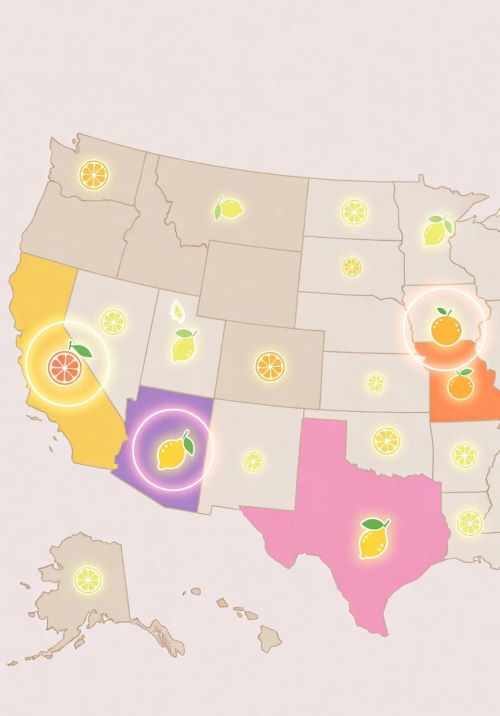
Pro move: Check USDA Seasonal Produce Guides by zip code. Type yours in—boom, personalized when are citrus fruits in season in the USA calendar.
What Are the Sweetest Oranges in Season Now – Taste-Test Winners:
What are the sweetest oranges in season now? As of October 2025, early-season stars like tangerines lead, but come November, the real sweetness explodes. Here’s the royalty:
| Month | Sweetest Pick | Why It Wins |
| Oct–Nov | Tangerines | 12–14% sugar, easy-peel zip |
| Nov–Dec | Navel Oranges | 12–14% sugar, zero seeds |
| Jan–Feb | Cara Cara Oranges | Berry undertones, pink flesh, up to 14% sugar—tastes like candy! |
| Feb–Mar | Blood Oranges | Raspberry-citrus hybrid vibe, floral sweetness |
| Apr–May | Honeybells | Literally drips honey, 13–15% sugar |
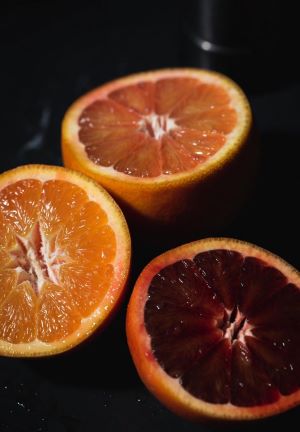
Anecdote: My kid ranked Cara Cara above candy. One slice, eyes wide: “It’s orange strawberry!” Science says the lycopene boost makes them 20% sweeter than regular navels.
When Are Mandarins in Season – Easy-Peel Magic:
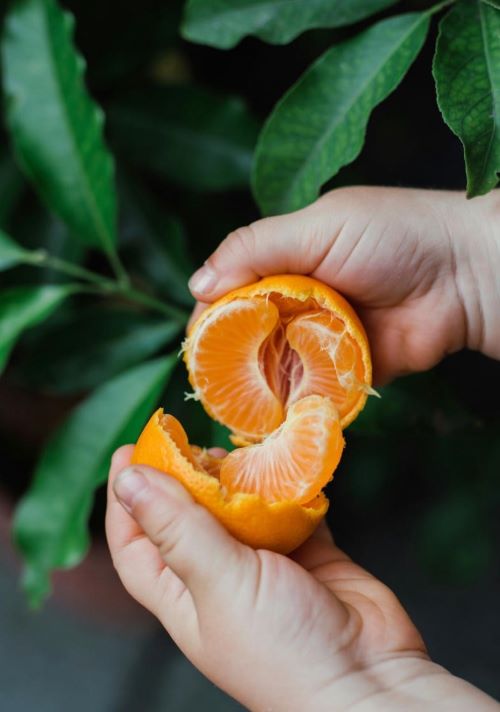
When are mandarins in season? November through March, with clementines stealing December spotlight.
- Holiday Golds: December–January (gift-box famous)
- Standard Mandarins: November–March (seedless, lunchbox-ready)
Hack: Freeze peeled segments in a zip bag. Instant mandarin ice pops—zero added sugar.
When Are Tangerines in Season – Zippier Cousins:
When are tangerines in season? October through January for the tart-sweet punch, November–May for milder varieties.
| Variety | Season | Flavor Note |
| Honey Tangerines | Nov–May | Candy-sweet |
| Dancy Tangerines | Oct–Jan | Classic zip |
Kid trick: Roll tangerines on the counter first—peels slip off like socks.
Why Citrus Ripens in Winter: A Super Simple Breakdown:
Think of citrus trees (oranges, lemons, grapefruits) like a factory that makes sweet juice. They need the right weather to turn plain starch (tasteless stuff) into yummy sugar. Here’s how it works, step by step:
- Cool Nights Are the Magic Switch
- In winter, nights drop to 45–55°F (about 7–13°C).
- This “chill” tells the tree: “Hey, slow down growing leaves and start sweetening the fruit!”
- Result: Sour green balls turn orange and juicy-sweet.
- Summer Is Too Hot and Busy
- Hot days make trees focus on growing new branches and leaves.
- Fruit stays green, hard, and super sour (like unripe apples).
- No chill = no sugar party.
- Where Citrus Comes From (Quick History)
- These trees started in warm Southeast Asia.
- Their “winter” there is cool + dry (not snowy).
- Cool ripens fruit. Dry stops rain from cracking the skin. Perfect combo!
- Bonus: Nature’s Flu Fighter
- Winter = cold/flu season.
- Citrus Vitamin C is at its highest right then.
- One orange = your daily shield. Open for business: Nov–May!
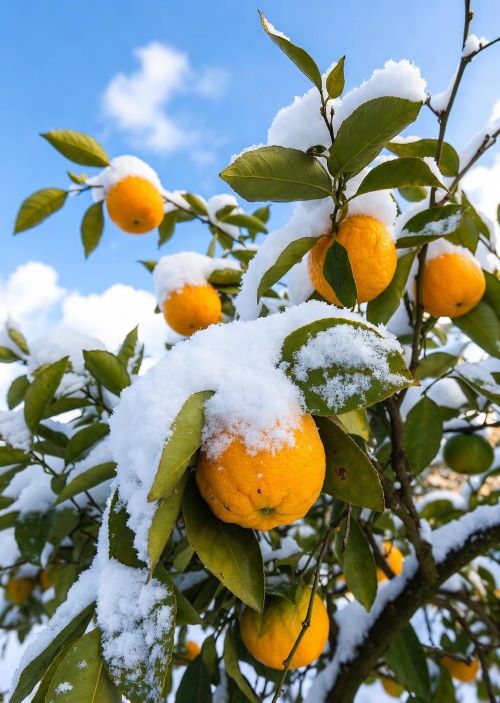
When Are Citrus Fruits in Season Calendar:
| Citrus Type | Start | End | Best For |
| Navel Oranges | Nov | May | Snacking |
| Blood Oranges | Dec | May | Cocktails |
| Cara Cara | Jan | Apr | Desserts |
| Ruby Red Grapefruit | Nov | May | Breakfast |
| Tangerines | Oct/Nov | Jan/May | Kids |
| Clementines | Nov | Jan | Gifts |
| Mandarins | Nov | Mar | Salads |
| Honeybells | Jan | Apr | Limited treat |
| Kumquats | Nov | Feb | Whole-snack |
| Lemons | Year-round | Year-round | Cooking |
| Meyer Lemons | Nov | Mar | Baking |
Citrus Nutrition Breakdown – Health Benefits in Every Bite:
| Citrus Type | Serving Size | Calories | Vitamin C | Fiber | Potassium | Key Nutrients |
| Navel Oranges | 1 medium (140g) | 69 | 93 mg (103% DV) | 3.1 g | 237 mg | Folate 50 mcg |
| Blood Oranges | 1 medium (140g) | 70 | 90 mg (100% DV) | 3.0 g | 250 mg | Anthocyanins 30–50 mg |
| Cara Cara | 1 medium (140g) | 80 | 100 mg (111% DV) | 3.0 g | 260 mg | Lycopene 2–3 mg |
| Ruby Red Grapefruit | ½ medium (123g) | 52 | 38 mg (42% DV) | 2.0 g | 166 mg | Lycopene 1.7 mg |
| Tangerines | 1 medium (88g) | 47 | 23 mg (26% DV) | 1.6 g | 146 mg | Beta-cryptoxanthin 407 mcg |
| Clementines | 2 small (148g) | 70 | 72 mg (80% DV) | 2.5 g | 260 mg | Folate 36 mcg |
| Mandarins | 2 medium (176g) | 90 | 46 mg (51% DV) | 3.5 g | 295 mg | Beta-cryptoxanthin 500+ mcg |
| Honeybells | 1 medium (154g) | 75 | 85 mg (94% DV) | 2.8 g | 280 mg | Flavonoids high |
| Kumquats | 5 fruits (95g) | 67 | 41 mg (46% DV) | 6.2 g | 176 mg | Skin fiber + oils |
| Lemons | 1 medium (58g) | 17 | 31 mg (34% DV) | 1.6 g | 80 mg | Limonene in peel |
| Meyer Lemons | 1 medium (58g) | 20 | 35 mg (39% DV) | 1.8 g | 90 mg | Sweeter, hesperidin rich |
Source: USDA FoodData Central & NIH Nutrient Databases. % DV = Percent Daily Value for adults. All values approximate; actual content varies by variety and ripeness. Eat the pith for max flavonoids!
How to Pick the Perfect Citrus Fruit: 7 Simple Steps for Juicy Oranges, Lemons, Limes & More:
Want sweet, juicy citrus fruits every time you shop? Whether you’re grabbing oranges, lemons, limes, grapefruits, or clementines at the grocery store or ordering fresh citrus online, these 7 easy steps will help you avoid dry, flavorless disappointments.
This step-by-step citrus selection guide works for all varieties and seasons. Let’s dive in!
1: Feel the Weight – Heavier = Juicier
- Pick up two fruits of the same size.
- The heavier one has more juice.
- Light fruits? They’re often dried out with thick, fluffy pith.
Pro Tip: A dense orange feels like it’s packed with liquid gold.

2: Check the Skin Shine – Glossy = Fresh
- Smooth, shiny skin = recently picked and hydrated.
- Dull, wrinkled, or leathery texture = old and dehydrated.
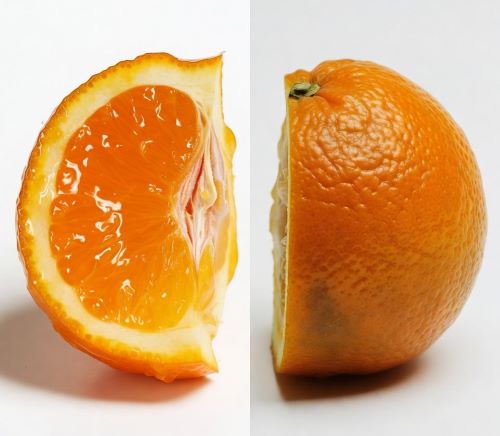
3: Sniff the Stem End – Smell the Flavor
- Hold the stem end (where it was attached to the tree) to your nose.
- Strong, zesty citrus aroma = intense flavor inside.
- Weak or no smell? It’ll taste bland.
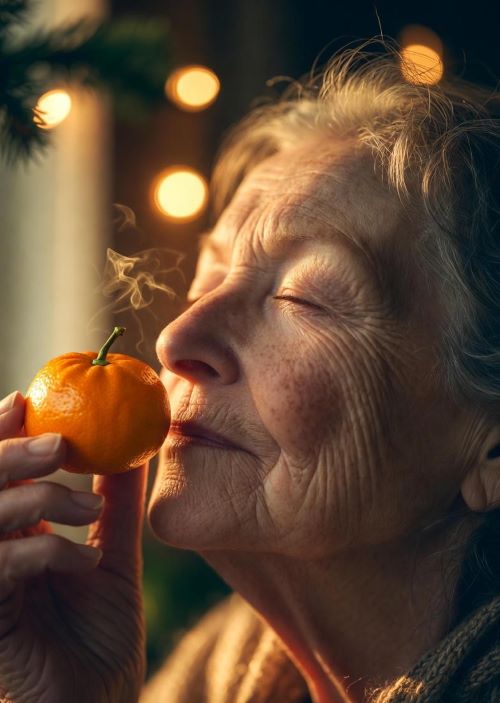
Fun Anecdote: My neighbor Mrs. Lopez swears by the sniff test. She’ll bury her nose in a bag of clementines and say, “These smell like Christmas morning!” And yes — they always peel in one perfect spiral and taste like candy.
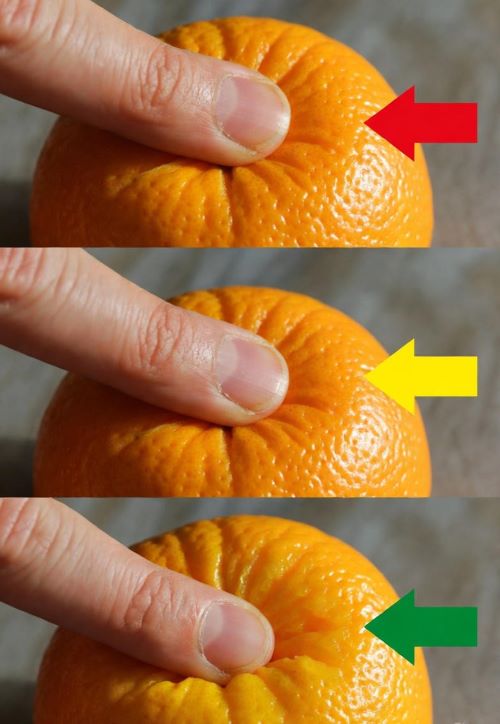
4: Squeeze Gently – Firm with Slight Give
- Press lightly with your thumb.
- Ideal: Firm but yields slightly (like a ripe avocado).
- Too hard? I need more time to ripen.
- Too soft? Overripe or starting to rot.
Best for: Oranges, tangerines, and mandarins.
5: Look for Thin, Tight Skin
- Thin-skinned fruits = more juice, less pith.
- Thick, puffy skin = less edible flesh.
- Run your fingers over the surface — tight and smooth is best.
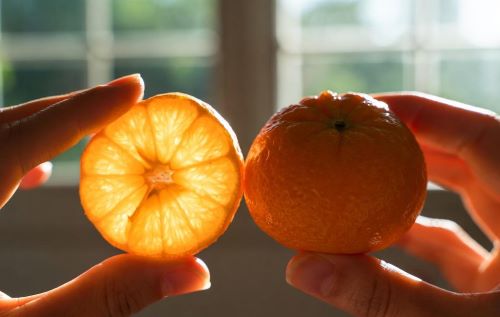
Visual Hack: Hold it up to light. Thinner skin lets light through faintly.
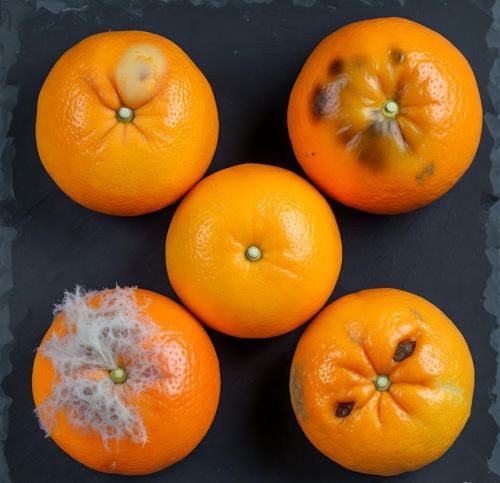
6: Avoid Blemishes, Bruises & Mold
- Skip fruits with:
- Soft spots (feels mushy)
- Dark bruises
- White or green mold
- Puncture marks
- A few natural scars are okay — but deep damage means rot inside.
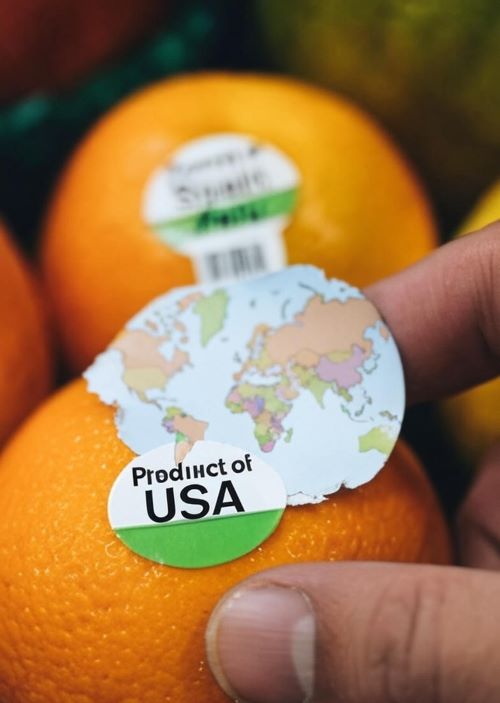
7: Check the Sticker – Origin Matters
- Look for the country of origin label.
- Local or nearby countries = shorter travel time = fresher taste.
- Far-away imports? Often picked early and gassed to ripen.
Bonus Tips for Buying Citrus Online
| Tip | Why It Helps |
| Read reviews with photos | See real texture and size |
| Check “packed on” date | Fresher = better |
| Order from local farms | Less travel, more flavor |
Quick Citrus Cheat Sheet:
| Fruit | Best Weight | Skin Look | Smell Test | Squeeze Feel |
| Orange | Heavy | Bright, smooth | Zesty | Slight give |
| Lemon | Heavy for size | Glossy yellow | Sharp & clean | Firm |
| Lime | Surprisingly heavy | Shiny green | Tangy punch | Slight bounce |
| Grapefruit | Very heavy |
Citrus in Season: 10 Delicious Recipes from Breakfast to Dessert:
Make the most of citrus in season — when oranges, lemons, limes, and grapefruits are at their juiciest, sweetest, and most affordable. This easy-to-follow recipe guide turns peak-season citrus into simple, everyday meals the whole family will love.
No fancy tools. No stress. Just bright, fresh flavor in every bite.
Breakfast: Bright & Energising Starts:
1. Broiled Grapefruit with Honey & Ginger (10 minutes)
Warm, caramelized citrus — the perfect wake-up call.
- Ingredients (1 serving):
- 1 large grapefruit (pink or ruby red), halved
- 1 tablespoon raw honey
- ½ teaspoon fresh ginger, finely grated
- Pinch of ground cinnamon (optional)
- How to Make:
- Preheat the broiler too high. Line a baking sheet with foil.
- Place grapefruit halves cut-side up.
- Mix honey and ginger. Drizzle over each half.
- Sprinkle with cinnamon.
- Broil 3–5 minutes until the edges are golden and bubbly.
- Serve warm with a spoon.
Why it works: Heat intensifies sweetness while ginger adds a gentle zing.
2. Cara Cara Orange Yogurt Parfait (5 minutes)
Creamy, crunchy, and naturally sweet.
- Ingredients (1 serving):
- 1 Cara Cara or navel orange, peeled and sliced into rounds
- ¾ cup plain Greek yogurt (full-fat or 2%)
- 2 tablespoons granola (any flavor)
- 1 teaspoon chia seeds
- Drizzle of maple syrup or honey
- How to Make:
- Spoon half the yogurt into a glass or bowl.
- Add a layer of orange slices.
- Top with remaining yogurt.
- Sprinkle granola and chia seeds.
- Finish with a light drizzle of syrup.
Kid tip: Let them build their own layers!

Lunch: Light, Fresh & Satisfying:
3. Mandarin Chicken Citrus Salad (15 minutes)
A sweet-tangy twist on classic chicken salad.
- Ingredients (2 servings):
- 2 cups cooked chicken breast, shredded (rotisserie works great)
- 3 mandarin oranges, peeled and segmented
- 3 cups mixed greens (arugula, spinach, or romaine)
- ¼ cup sliced almonds, toasted
- 2 tablespoons olive oil
- 1 tablespoon fresh mandarin juice
- 1 teaspoon Dijon mustard
- Salt and black pepper to taste

- How to Make:
- In a large bowl, combine greens, chicken, and mandarin segments.
- Whisk together oil, mandarin juice, mustard, salt, and pepper.
- Toss salad with dressing.
- Top with toasted almonds just before serving.
Make-ahead: Prep dressing and store for up to 3 days.
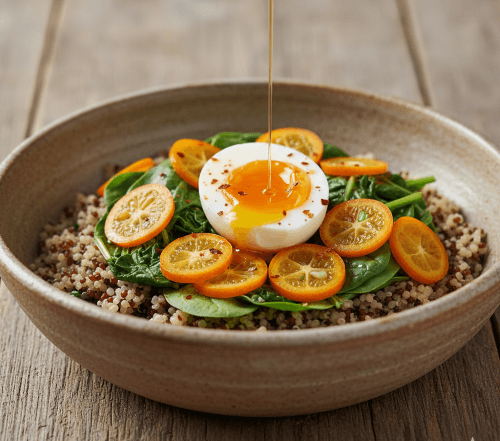
4. Kumquat & Quinoa Power Bowl (20 minutes)
Eat the whole fruit — skin and all!
- Ingredients (1 serving):
- ½ cup cooked quinoa (warm or room temp)
- 8–10 fresh kumquats, thinly sliced (seeds removed)
- 1 cup baby spinach or kale
- 1 soft-boiled egg, halved
- 1 tablespoon extra virgin olive oil
- 1 teaspoon lemon juice
- Pinch of sea salt and red pepper flakes
- How to Make:
- Warm quinoa in a bowl with spinach (it wilts slightly).
- Add kumquat slices and egg.
- Drizzle with oil and lemon juice.
- Season with salt and pepper flakes.
Flavor note: Kumquat skin is sweet; the flesh is tart — a perfect balance.
Dinner: Flavor-Packed Main Dishes:
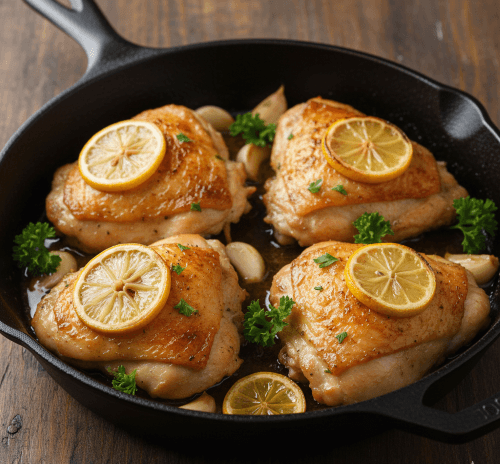
5. Meyer Lemon Herb Roasted Chicken (35 minutes)
Crispy skin, tender meat, and a citrus punch.
- Ingredients (4 servings):
- 4 bone-in, skin-on chicken thighs (or 2 breasts)
- 2 Meyer lemons (or regular lemons): 1 zested + juiced, 1 sliced
- 3 garlic cloves, minced
- 2 tablespoons olive oil
- 1 teaspoon dried oregano
- 1 teaspoon kosher salt
- ½ teaspoon black pepper
- Fresh parsley for garnish
- How to Make:
- Preheat the oven to 400°F (200°C).
- In a bowl, mix lemon zest, juice, garlic, oil, oregano, salt, and pepper.
- Pat chicken dry. Rub marinade under and over skin.
- Place in a baking dish. Top with lemon slices.
- Roast 25–30 minutes until internal temp reaches 165°F.
- Rest 5 minutes. Garnish with parsley.
Side idea: Serve with roasted potatoes or steamed broccoli.
6. Blood Orange Glazed Salmon (20 minutes)
Vibrant color, bold flavor, weeknight easy.
- Ingredients (2 servings):
- 2 salmon fillets (5–6 oz each), skin-on or off
- Juice + zest of 1 blood orange (about ⅓ cup juice)
- 1 tablespoon soy sauce (low-sodium)
- 1 tablespoon honey
- 1 garlic clove, minced
- 1 teaspoon sesame oil
- Sesame seeds and green onions for garnish

- How to Make:
- In a small pan, combine blood orange juice, zest, soy sauce, honey, garlic, and sesame oil.
- Simmer for 5 minutes until thickened (coats back of spoon).
- Heat a nonstick skillet over medium-high.
- Sear salmon 3–4 minutes per side.
- Brush with glaze during the last minute of cooking.
- Garnish and serve.
No blood oranges? Use regular oranges — still delicious.
Dessert: Sweet Citrus Finish:
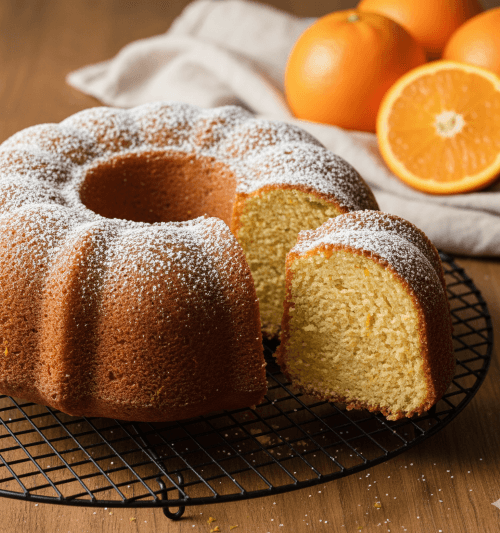
7. Navel Orange Olive Oil Cake (45 minutes)
Moist, fragrant, and not too sweet.
- Ingredients (8 slices):
- 2 navel oranges (zest of both, juice of 1 — about ½ cup)
- 1 cup all-purpose flour
- ¾ cup granulated sugar
- ½ cup extra virgin olive oil
- 2 large eggs
- 1 teaspoon baking powder
- ¼ teaspoon salt
- Powdered sugar for dusting
- How to Make:
- Preheat the oven to 350°F (175°C). Grease an 8-inch round pan.
- Whisk eggs and sugar until pale (2 minutes).
- Add orange zest, juice, and olive oil. Mix well.
- Fold in flour, baking powder, and salt until just combined.
- Pour into the pan. Bake for 30–35 minutes (toothpick comes out clean).
- Cool for 10 minutes. Dust with powdered sugar.
Storage: Keeps 3 days at room temp in an airtight container.
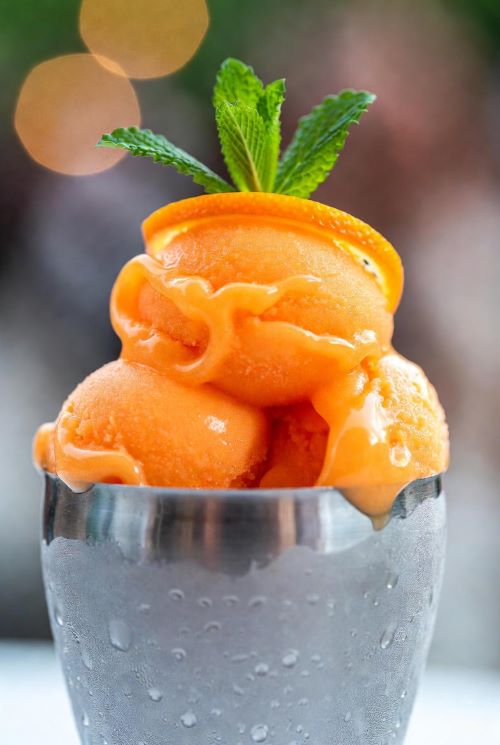
8. 3-Ingredient Citrus Sorbet (5 minutes + freeze)
No ice cream maker needed.
- Ingredients (4 servings):
- 4 cups fresh orange juice (Valencia, navel, or blood orange)
- 3 tablespoons honey or agave
- Pinch of salt
- How to Make:
- Whisk juice, honey, and salt until dissolved.
- Pour into ice cube trays. Freeze 4+ hours.
- Blend frozen cubes in a high-speed blender until creamy.
- Serve immediately or refreeze 30 minutes for firmer texture.
Flavor twist: Add a splash of lime juice.
Drinks: Refreshing Citrus Sippers:
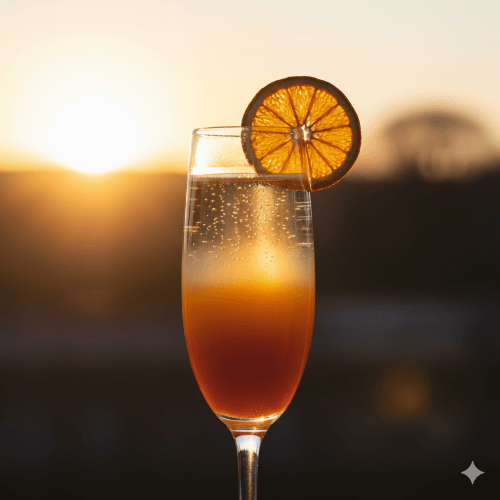
9. Fresh Citrus Sunrise Mimosa (2 minutes)
Brunch upgrade — zero added sugar.
- Ingredients (1 glass):
- ½ cup fresh-squeezed orange juice (chilled)
- ½ cup sparkling water or prosecco
- Orange slice for garnish
- How to Make:
- Pour orange juice into a champagne flute.
- Top slowly with sparkling water or prosecco.
- Garnish with a wheel of orange.
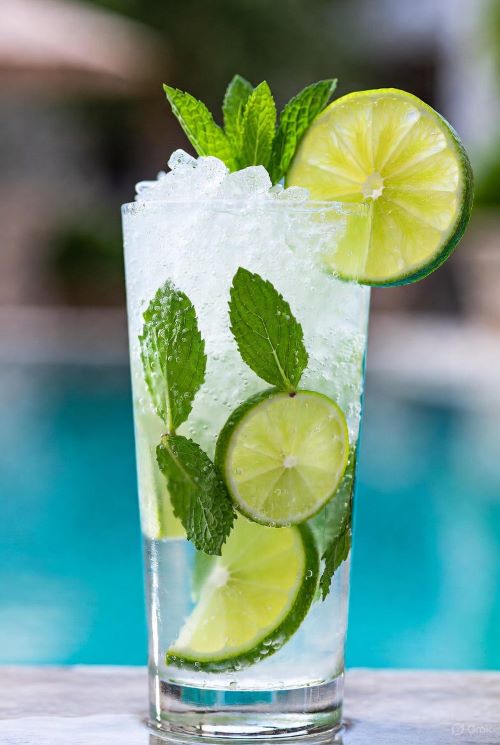
10. Classic Lime Mojito (Virgin or Cocktail) (5 minutes):
Minty, zesty, and crowd-pleasing.
- Ingredients (1 glass):
- 1 lime, cut into wedges
- 8–10 fresh mint leaves
- 1–2 teaspoons cane sugar (or simple syrup)
- Crushed ice
- Sparkling water
- Optional: 1.5 oz white rum
- How to Make:
- In a sturdy glass, muddle lime wedges, mint, and sugar.
- Fill with crushed ice.
- Top with sparkling water (and rum if using).
- Stir gently. Garnish with mint sprig.
FAQ: Everything You Need to Know When Are Citrus Fruits in Season:
Which is healthier, mandarin or navel oranges?
Both mandarins and navel oranges are nutritional powerhouses, but they shine in slightly different ways. A medium navel orange (about 140g) delivers 70–80 mg vitamin C (nearly 100% daily need), 3 g fiber, and 250 mg potassium. A similar-sized mandarin (about 2 small fruits, 150g total) gives 50–60 mg vitamin C, 2.5 g fiber, and 300 mg potassium.
Edge to navels for vitamin C and fiber; edge to mandarins for potassium and lower calories (47 vs. 69 per fruit). Mandarins also have more beta-cryptoxanthin, a carotenoid linked to lung health. Eat both—variety wins!
What US states grow citrus?
Four states produce 99% of U.S. citrus fruits:
- Florida – Oranges, grapefruit (world’s #2 orange producer)
- California – Oranges, lemons, mandarins (leads in lemons)
- Texas – Ruby Red grapefruit, oranges
- Arizona – Lemons, oranges, specialty dates
Smaller groves exist in Alabama, Louisiana, and Hawaii, but the commercial scale is tiny.
3. What is the sweetest orange to eat?
Honeybells (a tangelo hybrid) take the crown with 13–15% sugar and a honey-drip juice that earns their name. Runners-up: Cara Cara oranges (pink flesh, berry notes, 12–14% sugar) and late-season Valencia oranges (11–13% sugar, perfect balance). Navel oranges clock in at 10–12%—still sweet, but Honeybells are dessert-level.
4. What state is #1 in citrus production?
Florida reigns supreme for oranges (70% of U.S. total) and grapefruit, with 12.2 million boxes of oranges in 2024-25. California edges out for total citrus value thanks to lemons, mandarins, and specialty fruits. In 2024-25, U.S. citrus utilized production totaled 5.02 million tons, down 2% from prior year. Source: USDA NASS Citrus Report.
5. Are oranges in season in October?
Yes—for tangerines and early grapefruit! Navel oranges start trickling in late October in California and Arizona, but peak flavor hits November. Florida navels wait until December. October = transition month; stock up on mandarins instead.