
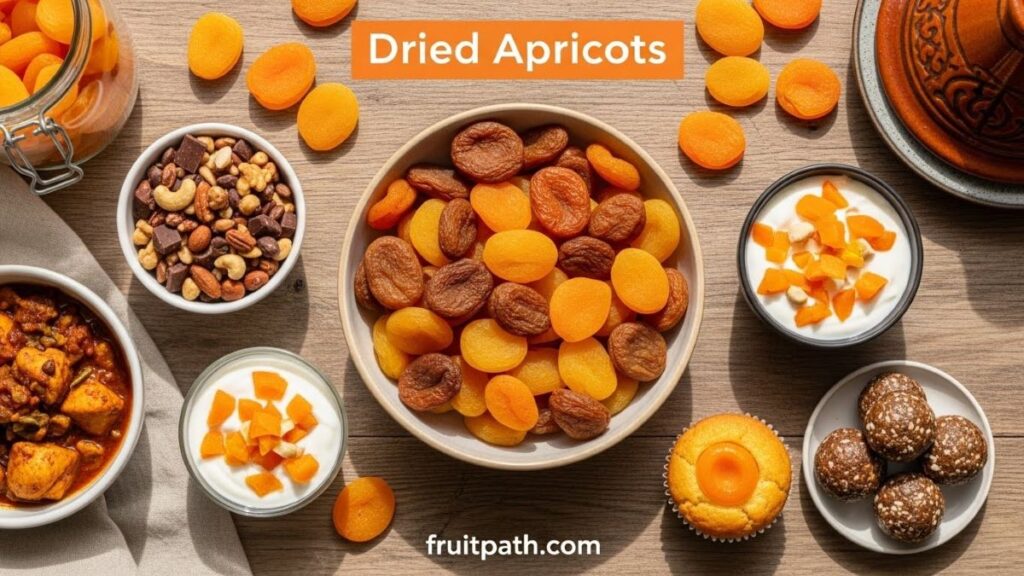
Dried apricots are definitely small, but they are full of flavor and nutrients. People around the world enjoy them as a healthy snack, a cooking ingredient, and a natural energy booster. Because they last longer than fresh fruits and are easy to carry, dried apricots have become a favorite for busy lifestyles
Dried apricots are like sunshine in a snack – chewy, sweet, and packed with concentrated goodness from fresh apricots. They have been loved for thousands of years, from Silk Road traders to modern families. Compared to fresh ones, dried versions are nutrient-dense powerhouses that last longer and travel well, though they are a bit higher in natural sugars and calories.
In this ultimate complete guide to dried apricots, you will know about the benefits of dried apricots,the history of dried apricots, whether home pets can have dried apricots, and practical ways to enjoy them.
This post has it all. We have combined the best of everything: deep nutrition insights, health perks, risks, homemade drying methods, recipes, and more – all in one helpful spot.
By the end, you’ll feel confident adding dried apricots to your routine (or even making your own!). Let’s jump in.
- What Are Dried Apricots? History, Production, and Drying Methods:
- Nutritional Profile of Dried Apricots:
- Health Benefits of Dried Apricots:
- Risks, Side Effects, and Sensitivities of Dried Apricots:
- Can Dogs and Other Pets Have Dried Apricots? Safety Tips for Pet Owners:
- Dried Apricots vs. Fresh Apricots: Which One Is Better?
- Delicious Ways to Use Dried Apricots
- How to Choose, Store, and Buy Dried Apricots:
- Final Takeaways: Why You'll Love Dried Apricots:
- Frequently Asked Questions (FAQs)
What Are Dried Apricots? History, Production, and Drying Methods:
Dried apricots (also known as dried apricot fruits or apricot dry fruit) are one of the oldest preserved fruits in human history. They come from the apricot tree, scientifically called Prunus armeniaca – a name that means “Armenian plum,” even though the fruit didn’t actually originate there!
The true story starts much farther east. Apricots were first domesticated in Central Asia and China around 4,000–6,000 years ago, with evidence of cultivation dating back to at least 2 000 B.C. Wild ancestors grew in mountainous regions such as the Tian Shan in Kazakhstan and Kyrgyzstan, as well as in parts of Xinjiang and Tibet.

Genetic studies show multiple independent domestication events: one in southern Central Asia leading to European varieties, another in northern areas, and a third in China, leading to East Asian types.
Drying apricots was a game-changer in arid climates – it preserved the harvest, concentrated the sweet flavor, and made them lightweight for travel. By the 2nd century B.C., dried apricots became a key commodity on the ancient Silk Road.
Chinese and Central Asian traders carried them westward to Persia (modern Iran), where they gained huge popularity. From Persia, Arabs spread them further, incorporating them into stews and sweets. The fruit reached the Mediterranean by Classical times, and the Romans called it the “precocious” fruit because it ripened early.

Alexander the Great’s campaigns and later Islamic trade helped too, but the Silk Road was the main highway. Merchants prized dried apricots for their long shelf life – perfect for crossing deserts. In Central Asian bazaars like Samarkand, they were (and still are) sold alongside nuts and other dried fruits.
Fun anecdote: In Ottoman times, dried apricots symbolized prosperity. One famous dish, mishmishiya, was a lamb-and-apricot stew from medieval cookbooks – tangy and sweet, just like today’s flavors!
By the Middle Ages, apricots grew in Armenia (hence the scientific name mix-up), Greece, and Rome. Spanish exporters brought them to the Americas in the 1500s, and California plantations took off in the 1800s.

Modern Production:
Today, Turkey dominates – producing over 50% of the world’s dried apricots, mostly from the sunny Malatya region. The volcanic soil and hot, dry summers create ideal conditions for the famous Hacıhaliloğlu variety: small, sweet, and ideal for whole-drying. Other big players: Uzbekistan, Iran, and California (U.S.).
Turkish apricots are often whole and unsulfured (natural brown), while California ones are usually halved, brighter, and sometimes sulfured.

Drying Methods: The Magic Behind the Chew:
Removing about 80-85% of the water concentrates nutrients, sugars, and flavor – turning juicy, fresh apricots into chewy gems.
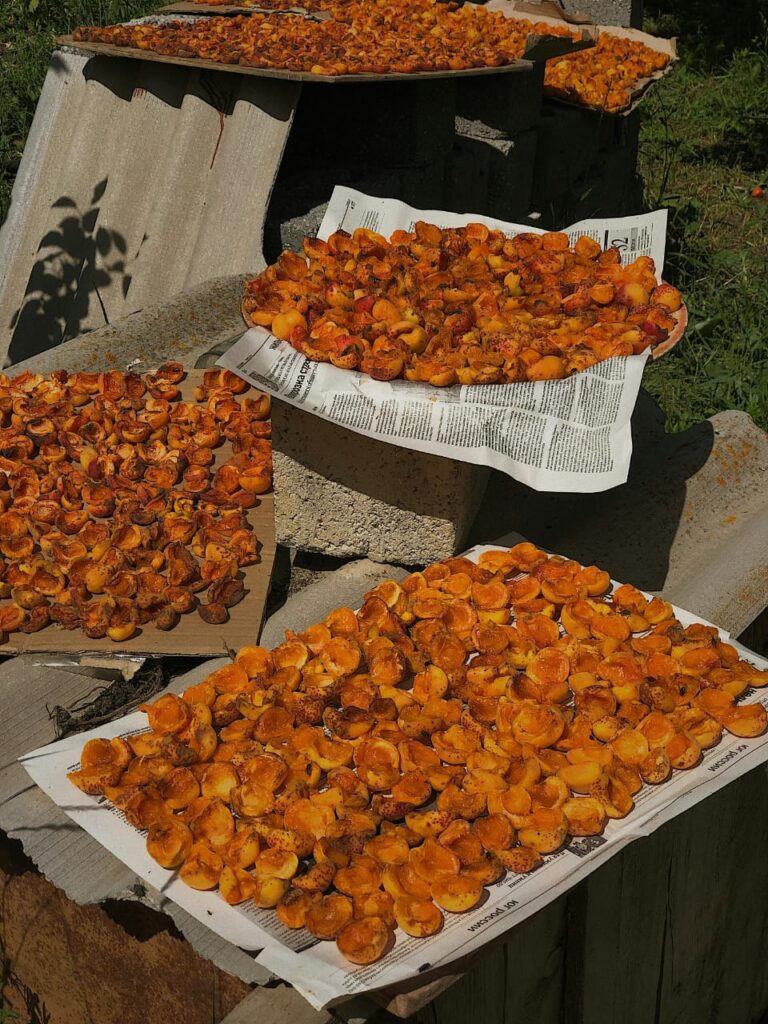
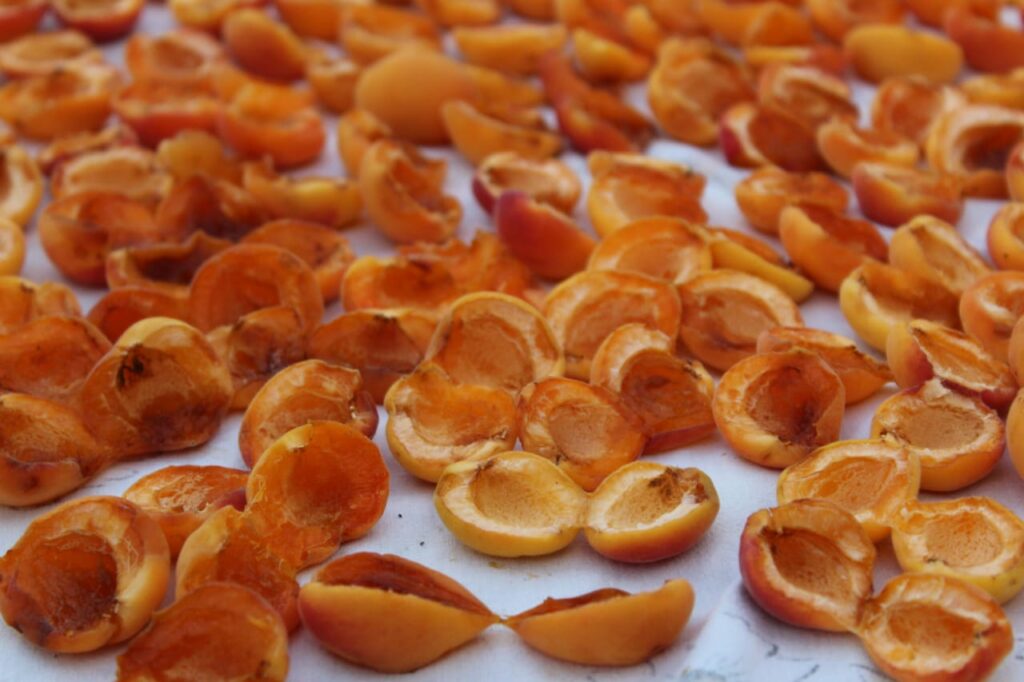
- Traditional Sun Drying (Most Common in Turkey): Ripe apricots are washed, halved (or left whole), pitted, and spread on trays under the sun for 3-7 days. Farmers turn them daily. This natural method gives a deep, caramel-like taste but depends on the weather.
- Commercial/Machine-Assisted: Faster and more controlled – hot air tunnels or dehydrators ensure consistency, especially for export.
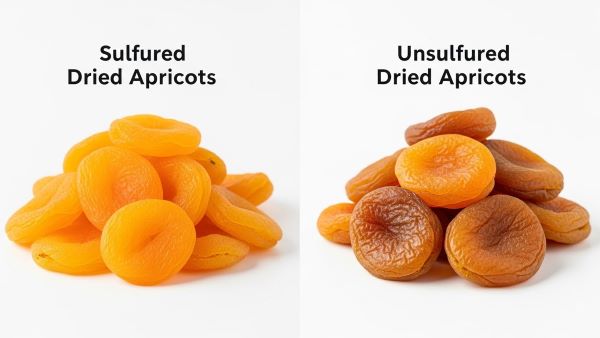
Many producers add sulfur dioxide (SO2) to keep the bright orange color and prevent browning/spoilage. These are “sulfured” apricots. Unsulfured ones skip it – they’re darker brown, with a more intense, fig-like flavor, and preferred by those avoiding additives.

How to Dry Apricots at Home (Step-by-Step):
You can recreate ancient methods easily!
1. Apricot Natural Sun Drying Technique:
- Choose ripe, blemish-free apricots.
- Wash, halve, and pit.
- Place cut-side up on trays/screens.
- Cover with netting against insects.
- Dry in full sun 2-7 days, flipping daily; bring indoors at night.
- Ready when leathery and pliable.
2. Apricot Drying in Oven:
- Preheat to the lowest setting (140-170°F/60-75°C).
- Arrange halves on parchment trays.
- Prop the door open to allow moisture to escape.
- Dry 6-12 hours, rotating trays.

3. Food Dehydrator Method of Apricot:
- Prep as above.
- Load trays single-layer.
- Set to 135°F/57°C.
- Dry 8-16 hours until chewy.
Pro tip: Dip in lemon juice first to naturally preserve color.
From Silk Road caravans to your kitchen, dried apricots carry centuries of history in every bite. Their journey shows how food connects cultures – and why they’re still a beloved snack today!
Tip: Preheat with lemon juice dip to prevent browning if desired.

Nutritional Profile of Dried Apricots:
Dried apricots pack a punch! Here’s a breakdown per 100g (about 10-12 halves, USDA data):
| Nutrient | Amount | % Daily Value* | What It Does |
| Calories | 241 | – | Energy source |
| Carbohydrates | 63g | 23% | Quick fuel (natural sugars) |
| Dietary Fiber | 7g | 25% | Aids digestion |
| Protein | 3.4g | 7% | Builds tissues |
| Fat | 0.5g | 1% | Heart-friendly low |
| Vitamin A | 3,604 IU | 180% | Eye & skin health |
| Vitamin E | 4.3mg | 29% | Antioxidant protection |
| Potassium | 1,162mg | 25% | Blood pressure support |
| Iron | 2.7mg | 15% | Prevents anemia |
| Copper | 0.3mg | 34% | Bone & energy help |
*Based on a 2,000-calorie diet.
Water loss makes everything more intense – great for nutrient boosts!
Health Benefits of Dried Apricots:
The benefits of apricot dry fruit are backed by science. Here’s a clear overview:
| Benefit | Key Nutrients Involved | How It Helps |
| Heart Health & Blood Pressure | Potassium, Fiber | Relaxes vessels, lowers cholesterol |
| Digestive Health | Fiber | Prevents constipation, feeds gut bacteria |
| Eye & Skin Health | Vitamin A, Antioxidants | Protects vision, fights wrinkles |
| Bone Health | Copper, Minerals | Builds collagen for strength |
| Immune Support | Vitamins C & E | Boosts defenses against illness |
| Anti-inflammatory | Polyphenols | Reduces swelling & disease risk |
| Anemia Prevention | Iron | Boosts red blood cells |
| Energy & Satiety | Carbs & Fiber | Quick fuel that keeps you full |
Anecdote: A busy mom I know swapped chips for dried apricots – better energy and glowing skin!

Risks, Side Effects, and Sensitivities of Dried Apricots:
Even though dried apricots (or apricot dry fruit) are super healthy and tasty, no food is perfect for everyone in large amounts. Eating too many or the wrong kind can cause a few problems. The good news? Most issues are easy to avoid with simple habits like eating smaller portions and picking the right type. Let’s break it down in plain words so anyone can understand.
High Natural Sugar and Blood Sugar Concerns:
Dried apricots are naturally sweet because the drying process removes water, leaving the sugar more concentrated. A small handful can have as much sugar as a candy bar – around 20-25 grams in just 5-6 pieces.
For most people, this natural sugar gives quick energy. But if you have diabetes or watch your blood sugar, eating a lot at once can make your levels jump up fast. The fiber helps slow it down a little, but not enough if you overdo it.
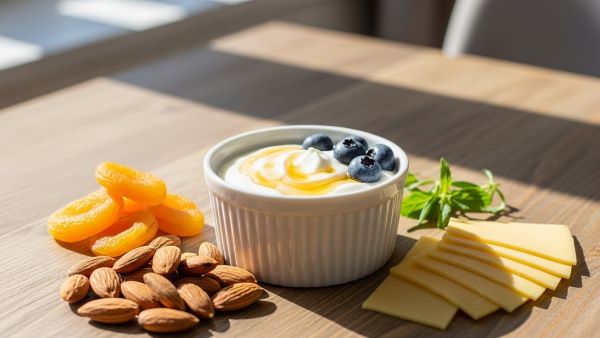
Simple tip: Pair dried apricots with nuts, cheese, or yogurt. The protein and fat help keep blood sugar steady.
Sulfites and Allergic Reactions:
Many store-bought dried apricots look bright orange because companies add a preservative called sulfur dioxide (sulfites or SO2). This keeps the color pretty and stops mold.
But some people are sensitive to sulfites. It can cause:
- Headaches
- Stuffiness or breathing trouble (especially if you have asthma)
- Skin rashes
- Stomach upset
About 1 in 100 people react to sulfites. Unsulfured dried apricots skip this chemical – they turn brown naturally but taste just as good (some say even better, like caramel).
Easy fix: Always check the label. Choose “unsulfured” or “no added sulfur” for safer snacking.
Too Much Fiber at Once:
Dried apricots are packed with fiber – great for digestion most days! But if you’re not used to eating much fiber, or you eat a big handful suddenly, your tummy might complain.
Common side effects:
- Bloating or feeling full and puffy
- Extra gas
- Loose stools or mild cramps
This usually happens only when you eat way more than a normal portion.
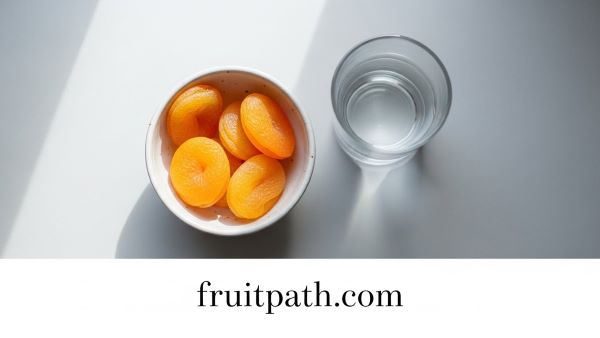
Smart way: Start with 3-4 pieces if fiber is new to you, and drink plenty of water. Your body gets used to it quickly.
Dental and Sticky Issues:
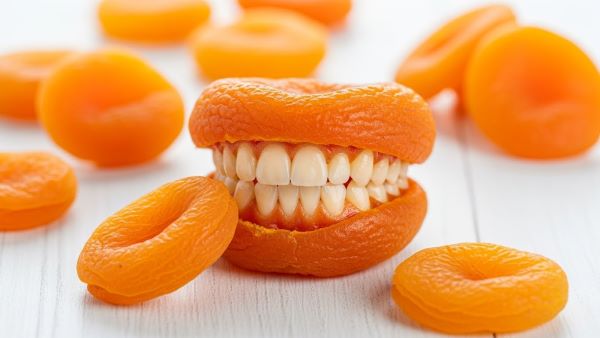
Dried apricots are chewy and sticky – that’s part of the fun! But the stickiness can cling to teeth, and the natural sugars feed mouth bacteria.
Over time, this increases the risk of cavities if you don’t clean thoroughly.
Quick habit: Rinse your mouth with water after eating, or brush soon after. Chewing sugar-free gum helps too.
Other Rare Concerns:
- Weight gain: Because they’re calorie-dense (about 240 calories per 100g), eating large amounts without balancing can add extra pounds.
- Digestive slowdown: Very rarely, large amounts can slow things down rather than speed them up.
Recommended Portion Sizes to Stay Safe:
The sweet spot for most adults is 30-40 grams per day – that’s about 4-6 medium dried apricot halves. This gives you all the benefits of apricot dry fruit without the downsides.
| Group | Suggested Daily Portion | Why |
| Healthy adults | 4-6 pieces (30-40g) | Full benefits, no spikes |
| Kids (ages 4+) | 2-3 small pieces | Smaller bodies, teeth protection |
| People with diabetes | 3-4 pieces | With protein/fat for balance |
| Athletes | Up to 8-10 pieces | Extra energy, but with water |
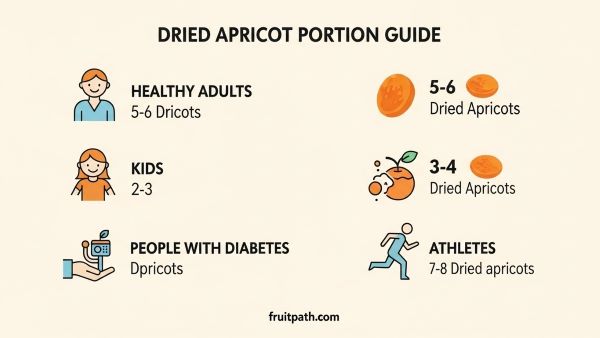
In short, dried apricots are safe and wonderful for almost everyone when enjoyed in moderation. Pick unsulfured when possible, eat reasonable amounts, and pair them smartly – then you get all the nutrition without any worries. Simple changes make them a perfect everyday snack!
Can Dogs and Other Pets Have Dried Apricots? Safety Tips for Pet Owners:
Many pet owners wonder if it’s safe to share dried apricots with their furry friends. The short answer: In very small amounts and with big precautions, plain dried apricots can be an occasional treat for some pets – but they are not recommended as a regular snack. Always check with your vet first, because every animal is different.
For Dogs:
Dogs can have a tiny piece of plain, pitted, unsulfured dried apricot once in a while. The natural fiber and potassium might give a small health boost, but the high sugar content can upset their stomach, cause diarrhea, or lead to weight gain. Too much fiber might also cause gas or bloating.

Big dangers:
- Never give the pits – they contain cyanide, which is toxic.
- Avoid sulfured ones (sulfites can cause reactions).
- No added-sugar or flavored varieties.
Safe portion: For a medium dog, half to one small piece, mashed up, no more than once or twice a week. Smaller dogs get even less; large dogs may get one piece. Many vets say safer fruit treats like apple slices (no seeds) or blueberries are better choices.
For Cats:
Cats are obligate carnivores – they don’t need or digest fruit well. Dried apricots offer no real benefit, and the sugar can upset their tummy. Most experts say skip fruit entirely for cats. Stick to cat-safe treats.

For Other Common Pets:
- Rabbits and Guinea Pigs: Fresh apricots (without pits) in tiny amounts are sometimes okay, but dried apricots are too sugary and sticky – not recommended.
- Birds (Parrots, etc.): A very small piece of plain, dried apricot can be an occasional treat, but watch for choking and limit sugar intake.
- Hamsters/Gerbils: Too high in sugar – avoid.



General Pet Safety Rules for Dried Apricots:
- Always remove pits and stems.
- Choose organic, unsulfured when possible.
- Start with the smallest amount and watch for signs of reaction (vomiting, diarrhea, lethargy).
- When in doubt, don’t share – many human foods are risky for pets.
Bottom line: While a rare, tiny bit of plain dried apricot won’t harm most dogs, it’s not a necessary or top-choice treat. Safer options like carrots, green beans, or pet-specific treats are usually better. Talk to your veterinarian for personalized advice – they know your pet best!.
Dried Apricots vs. Fresh Apricots: Which One Is Better?
People often wonder if dried apricots (or dried apricot fruits) are healthier than fresh ones – or the other way around. The truth? Both are great, but they shine in different ways. Fresh apricots are juicy and refreshing, while dried apricots pack more punch in a smaller bite because the water has been removed. Let’s compare them side by side so you can pick what’s best for you.

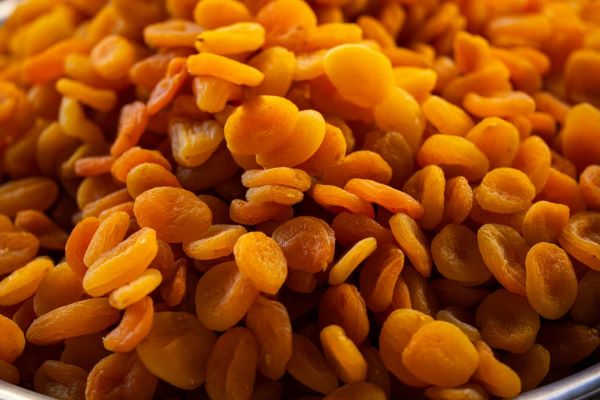
And here’s the chewy, concentrated goodness of dried apricots.
Detailed Comparison Table:
| Aspect | Dried Apricots | Fresh Apricots | Winner Depends On… |
| Nutrients | More concentrated – higher fiber, iron, potassium, and vitamin A per bite (e.g., 7g fiber per 100g) | Good nutrients but spread out with water (e.g., 2g fiber per 100g); more vitamin C | Dried for nutrient density |
| Calories | Higher (about 241 per 100g) – easy to eat more without noticing | Lower (about 48 per 100g) – filling with water | Fresh if watching calories |
| Sugar Content | More natural sugars concentrated (53g per 100g) | Less sugar overall (9g per 100g) | Fresh for lower sugar intake |
| Shelf Life | Lasts 6-12 months (or longer in fridge/freezer) | Only a few days to a week in the fridge | Dried for convenience |
| Texture & Taste | Chewy, intense sweet-tart flavor | Juicy, mild and refreshing | Personal preference! |
| Best Uses | Snacks on the go, trail mix, baking, cooking (like stews), year-round availability | Fresh eating, salads, smoothies, summer treats | Dried for versatility |
| Hydration | Low water – not hydrating | High water content – helps quench thirst | Fresh in hot weather |
| Portion Ease | Small handful gives big nutrition | Need more pieces to match nutrients | Dried for quick boosts |
Which Should You Choose?
- Pick fresh apricots in summer when they’re in season – they’re hydrating, lower in calories, and perfect for a light snack.
- Go for dried apricots the rest of the year – they’re portable, nutrient-packed, and add sweetness to recipes without spoiling fast.
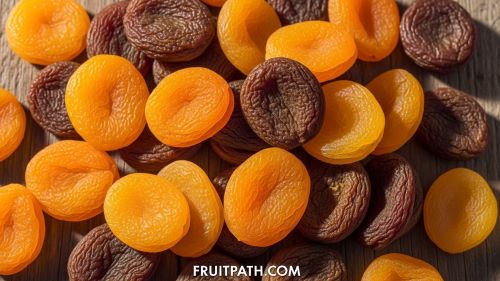
Many people enjoy both! For example, my hiking buddy always packs dried apricots for energy, but grabs fresh ones at the farmer’s market for dessert. No wrong choice – just match it to your needs. If you’re after the concentrated benefits of apricot dry fruit, dried apricots are a win for everyday snacking.
Delicious Ways to Use Dried Apricots
Dried apricots aren’t just for snacking straight from the bag – they’re super versatile and add a sweet, chewy burst to all kinds of foods. From quick everyday ideas to fun recipes, here are some tasty ways to enjoy the benefits of apricot dry fruit while keeping things simple and yummy. They’re great in both sweet and savory dishes, making meals more exciting without much effort.
Quick and Easy Everyday Dried Apricot Ideas:
Trail Mix Magic: Toss dried apricots with nuts like almonds, cashews, or walnuts, plus seeds or a few chocolate chips. It’s a perfect grab-and-go snack for hikes, school, or work. The chewiness pairs great with crunchy nuts for lasting energy.
Yogurt or Oatmeal Topper: Chop a few dried apricots and sprinkle on plain yogurt, oatmeal, or overnight oats. Add honey or nuts for extra flavor. This turns a simple breakfast into something special – sweet and filling!
Fresh Salads with a Twist: Chop dried apricots and add them to green salads, quinoa bowls, or grain salads. They add sweetness that balances bitter greens or tangy dressing. Try with feta cheese, spinach, and pistachios for a fancy feel.

Dried Apricot Savory and Dinner Ideas:
In Savory Dishes like Tagine, dried apricots shine in Middle Eastern or Moroccan cooking. Add them to chicken or lamb tagine (a slow-cooked stew) with spices like cinnamon and ginger. The fruit softens and makes a sweet-savory sauce that’s amazing over couscous.
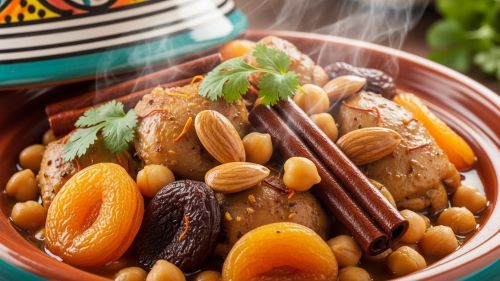
Apricot dried Sweet Treats and Baking:
Baking Boost Chop dried apricots into muffins, scones, cookies, or cakes. They stay moist and add natural sweetness – less need for extra sugar. Apricot almond muffins are a favorite!

No-Bake Energy Balls Blend dried apricots with nuts, oats, and a bit of coconut or cocoa. Roll into balls – no oven needed! They’re healthy treats for kids or post-workout fuel.

A quick anecdote: At a family picnic, I mixed dried apricots into a simple trail mix, and everyone kept coming back for more – even the picky eaters! These ideas make dried apricots fun and easy to use every day. Start with one, and you’ll find your favorites soon.

How to Choose, Store, and Buy Dried Apricots:
Getting the best dried apricots (or apricot dry fruit) is easy once you know what to look for. Choosing quality ones means better taste, more nutrition, and fewer worries about additives. Storing them right keeps them fresh longer, and buying smart saves money while giving you confidence in what you’re eating. Let’s break it down step by step in simple words.
How to Choose the Best Dried Apricots:
Look for these signs of good quality:
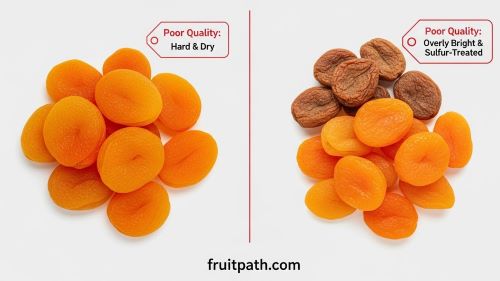
- Plump and Chewy: Pick ones that are soft and bendy, not hard or crunchy. Hard ones might be old or over-dried.
- Unsulfured Preferred: Bright orange apricots are often treated with sulfites (SO2) to retain their color. Unsulfured ones are darker brown but more natural – no chemicals, deeper flavor (like caramel), and safer for sensitive people.
- Organic When Possible: Organic dried apricots skip pesticides and are often free of added sugar or oils. They’re purer, better for you, and better for the planet.
- No Added Sugar: Check labels – some have extra sweeteners. Plain ones give the natural benefits of apricot dry fruit.
- Origin Matters: Turkish ones are often sweeter and whole; California ones are tangier and halved.
Quick tip: Smell them – good ones smell fruity, not weird or sour.

How to Store Dried Apricots Properly:
Proper storage keeps them tasty and mold-free for months.
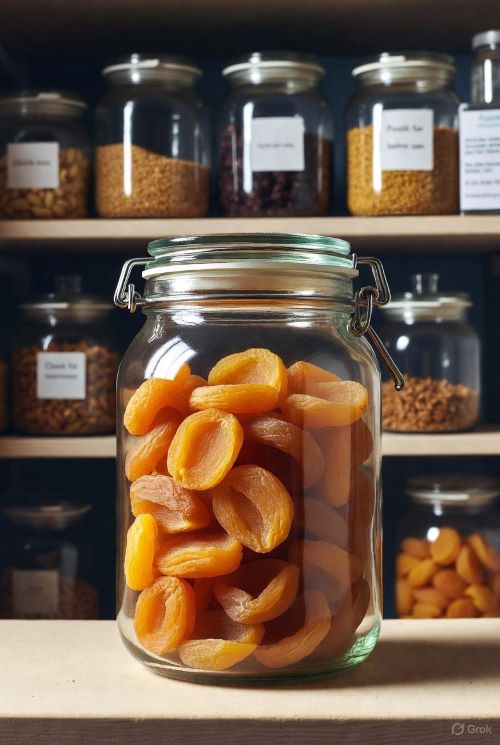
- Airtight Container: Use a glass jar, plastic box, or zip bag to block air and moisture.
- Cool, Dark Spot: Pantry or cupboard away from heat/sun – lasts 6-12 months.
- Fridge or Freezer for Longer: In the fridge, up to 18 months; in the freezer, years! Thaw at room temperature.
- Watch for Spoilage: If sticky, moldy, or off-smelling, toss them.
Anecdote: I once forgot a bag open – they got hard fast! Now I always jar them, and they stay perfect.
Where and How to Buy Dried Apricots:
Buy with confidence for fresh, quality ones.
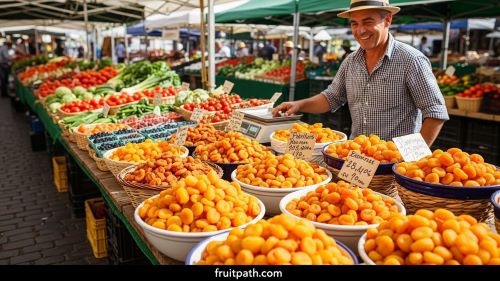
- Bulk Bins at Stores: Health food shops, markets, or bulk sections – cheaper and you pick the best.

- Online: Trusted brands for organic unsulfured – read reviews.

- Farmers Markets: Freshest seasonal ones.
- Avoid Cheap Unknowns: Might have extras or be old.
Start small if trying a new kind, then stock up. Choosing and storing the right means enjoying delicious, healthy dried apricots anytime with no regrets!
Final Takeaways: Why You’ll Love Dried Apricots:
We’ve covered a lot in this complete guide to dried apricots – from their ancient history and homemade drying methods to their nutrition, benefits, safety tips, recipes, and more. Here’s the simple wrap-up to help you remember the best parts and start enjoying them today.
Key Highlights:
- Amazing Nutrition: Packed with fiber, potassium, iron, and vitamin A – great for energy, digestion, heart health, eyes, and skin.
- Health Perks: The benefits of apricot dry fruit include better gut regularity, lower blood pressure, stronger immunity, and natural anti-inflammatory help.
- Versatile and Fun: Use in trail mix, yogurt, salads, tagines, baking, or energy balls – sweet or savory!
- Safe and Easy: Moderation (4-6 pieces daily) avoids issues like sugar spikes or bloating. Choose unsulfured for fewer additives, and yes – tiny amounts are okay for dogs (pitted!).
- Better Than You Think: Dried beats fresh for convenience and concentrated nutrients; make your own with the sun, an oven, or a dehydrator.
A quick story: One reader started with a simple yogurt topper and now keeps dried apricots everywhere – more energy, happier tummy, and yummy meals. You can too!

Actionable Tips to Start Today:
- Grab Quality Ones: Look for organic, unsulfured dried apricots – plump, chewy, and natural.
- Try a New Way: Add to your next meal or make homemade if you have fresh apricots.
- Enjoy Safely: Stick to portions, pair with nuts, and feel the natural boost.
Dried apricots are a simple, delicious way to feel better every day. Pick some up, experiment, and notice the difference in your energy and health. You’ve got this – happy snacking!
Frequently Asked Questions (FAQs)
Here are answers to some common questions about dried apricots and dry fruits in general. We’ve kept them simple and helpful!
Which is the king of dry fruit?
Almonds are often called the “king of dry fruits“! They’re packed with healthy fats, protein, vitamin E, and minerals that support heart health, brain function, and strong bones. Many people love them for their crunch and nutrition boost. While some say cashews or walnuts are top picks too, almonds get the crown most often.
Which is better, prunes or apricots?
It depends on what you need! Dried apricots are a good source of vitamin A (eye and skin health), iron, and potassium. Prunes (dried plums) win for fiber (helps digestion and prevents constipation), more antioxidants, and vitamin K. Prunes often edge out for gut health, but both are healthy in moderation. Mix them for the best of both!
What are the best dry fruits for old people?
Dry fruits are awesome for seniors – they provide energy, support bone health, and aid digestion with minimal chewing. Top picks:
- Almonds and walnuts: For brain health and heart support.
- Prunes and figs: Great fiber for tummy regularity.
- Raisins or dates: Quick energy and iron.
- Pistachios and cashews: For strong bones and immunity.
Eat a small handful daily, and pair with water.
Which dry fruit is a superfood?
Many dry fruits are called superfoods because they’re nutrient-packed! Standouts include:
- Almonds (heart and brain boost).
- Walnuts (omega-3s for inflammation).
- Prunes and dates (fiber and antioxidants).
- Dried apricots (vitamins for eyes and skin).
No single “winner” – a mix is best for super benefits!
Why is regularly eating dried fruit not recommended?
Dried fruits are healthy, but eating too much regularly isn’t ideal because:
- They’re high in natural sugars and calories (easy to overeat without feeling full).
- Can spike blood sugar (watch if you have diabetes).
- Too much fiber might cause bloating or gas.
- Some have added sulfites (could trigger allergies).
Enjoy in small portions (like 4-6 dried apricots a day) for the benefits of apricot dry fruit without issues. Balance with fresh fruits too!