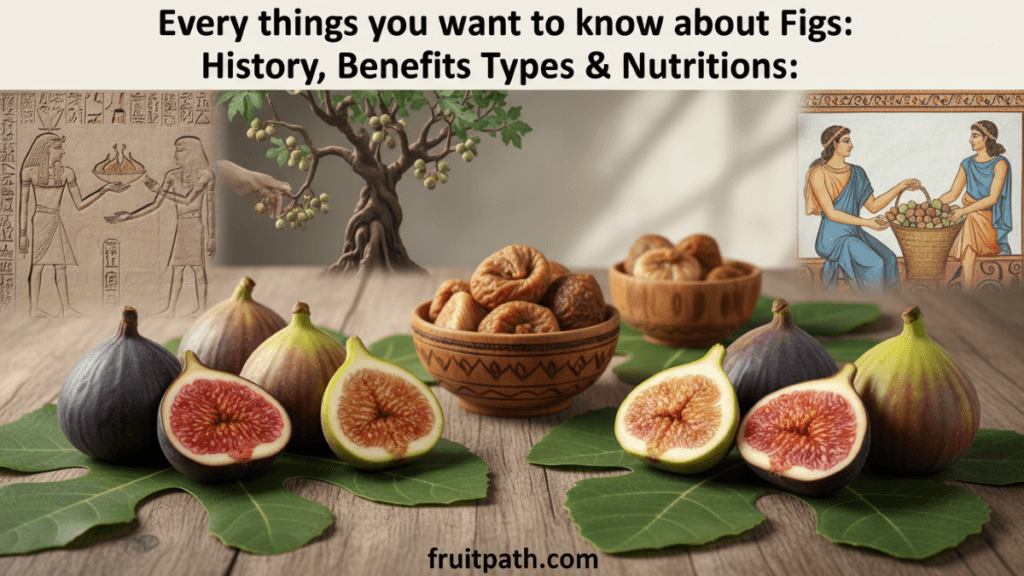
Have you ever picked a ripe figs straight from the tree and bitten into its soft, juicy center? It’s like nature’s own candy, bursting with sweetness that makes your taste buds dance. As we already covered everything from exotic fruits, common fruits, and seasonal fruits in our articles and recipes, but keep my words, the fig fruit (Ficus carica) always stands out as a star in the sky of the fruit world.
In this detailed guide, we will explore the world of figs, the different types of figs, and the history of this fruit, from ancient times to the health benefits you can enjoy today. Whether you want to know about fig nutrition, what figs taste like, how to grow fig trees, or are ready to buy figs for your next meal, this guide is for you.
This article is for you and covers all your questions and curiosities about figs. So stay tuned around, tell you why, because by the end, you will be convinced to grab some fresh figs or dried figs and add them to your shopping list with total confidence.
- What Are Figs? A Delicious unforgettable, powerful fruit:
- The fascinating history and Origin of the fig fruit:
- Cultural Significance of the Fig Fruit Around the World:
- Fig Fruit Names Around the World:
- Popular Fig Varieties & Types:
- What Do Figs Taste Like?
- Guide to Growing Fig Trees at Home:
- Where to Buy Fig Trees or Fig Plants:
- Proven Health Benefits of Figs:
- How to Eat Fresh Figs: Ideas & Simple Recipes:
- When Are Figs in Season?
- Where to Buy Fresh Figs and Dried Figs:
- Conclusion: Why Figs Should Be in Your Diet Year-Round:
What Are Figs? A Delicious unforgettable, powerful fruit:
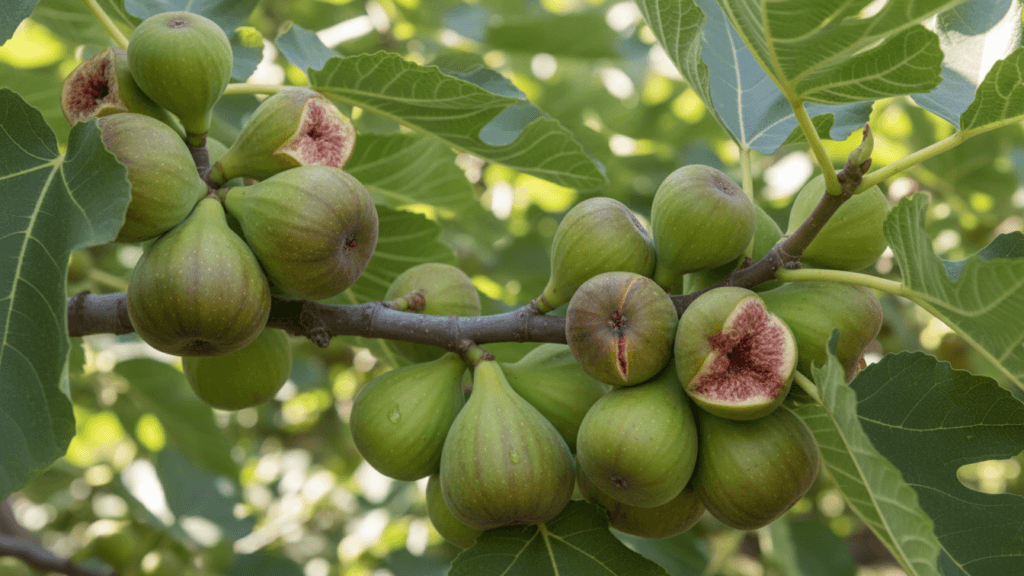
Let’s start with the basics. Figs are small, pear-shaped fruits that grow on fig trees, which love warm climates. They are not like apples or oranges on the inside; they are filled with tiny seeds and a honey-like pulp. If I assume that you are new to them, think of figs as a mix between a berry and a date, but fresher and more exciting.
Figs are not just like your typical fruits; they are actually like upside-down flowers! The part we eat is a soft, sweet pouch filled with tiny seeds. Fresh figs are plump and juicy, with a thin skin that you can eat. Dried figs are chewy and much sweeter because the water has been removed, making the flavor stronger.
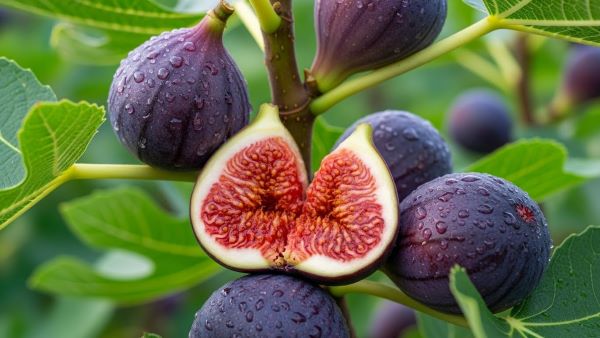
Do you know why figs are called a super-fruit? They are rich in nutrients like fibre and vitamins, and people have enjoyed them for thousands of years. Long ago, people used figs for food and even as medicine.
Today, figs are great for snacks, salads, or desserts. If you are wondering about fresh figs vs dried figs, fresh ones have more water and fewer calories per bite, while dried ones pack more punch in a small size. Now I think you are more curious about knowing where this little fruit came from, what its history is, so do not wait, let’s explore the figs.
The fascinating history and Origin of the fig fruit:
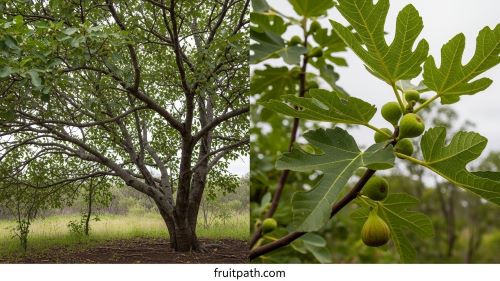
The fig fruit comes from the Ficus carica tree, which belongs to the mulberry family. This tree grows best in warm climates and can live for many years, producing sweet fruit year after year.
The fig is one of the oldest fruits humans have eaten. Scientists believe people were growing fig trees more than 11,000 years ago, even before they started farming crops like wheat and rice. The fig first grew in the warm lands of the Middle East and Mediterranean, especially in Turkey, Egypt, Iran, and Syria.
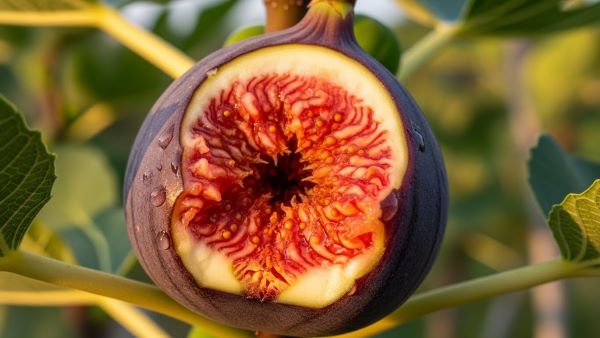
In ancient times, figs were more than just a tasty snack. They were used as medicine, energy food, and even gifts. Travelers and soldiers carried dried figs because they were light to carry and stayed fresh for a long time.
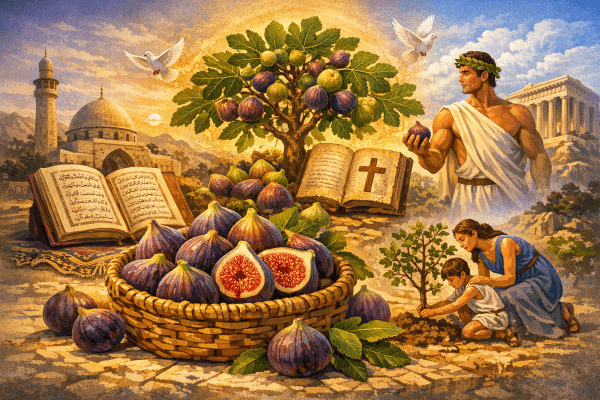
Figs were mentioned in holy books like the Quran and the Bible, as well as in stories from ancient Greece and Rome. As traders moved across countries, they took fig plants with them. This is how figs reached Europe, Asia, and later America. In the 1500s, Spanish explorers planted fig trees in California, where they grow very well even today. This long journey shows that the fig is not just a fruit; it is a living part of human history.
Cultural Significance of the Fig Fruit Around the World:
Figs have always been more than just a sweet fruit. In many cultures, the fig stands for peace, health, and blessings. Long ago, people believed that the fig was a gift from nature because it could grow in hot, dry places and still give soft, sweet fruit.
That is why figs are mentioned in holy books like the Quran and the Bible, where they are linked with goodness and protection. In ancient Greece, figs were given to athletes to make them strong, and families planted fig trees near their homes as a sign of peace and a happy life.
In Asia and South Asia, fig trees are not only grown for their fruit but are also considered holy and respected. The Bodhi tree (Ficus religiosa) is a special kind of fig tree. It is believed that Gautama Buddha reached enlightenment while sitting under this tree in Bodh Gaya, India. Because of this, Buddhists in India, Nepal, Sri Lanka, and Southeast Asia care for this tree with great love. People often visit Bodhi trees to pray, find peace, and calm their minds.

In India, people in different states call figs different names. In Hindi and Urdu, fig is called “Anjeer.” In Tamil, the fig fruit is known as “Athipazham.” In Telugu, it is called “Atti Pandu,” and in Kannada, it is called “Atti Hannu.” In Marathi, figs are also called “Anjeer.” Indian families often use dried figs in milk, sweets, and home remedies to stay healthy.
In Pakistan, figs are called anjeer and are used in home medicine, stories, and traditional food. In Islam, figs are considered heavenly fruits, making them special to many Muslim families.
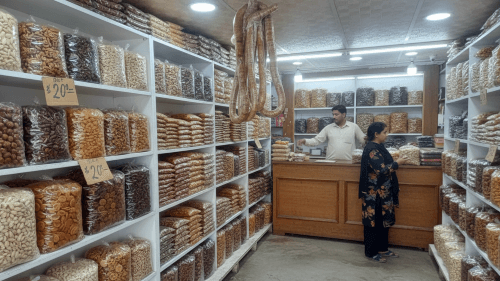
In China and neighbouring countries, people use figs and their leaves in traditional remedies to support digestion and overall health. This shows that across Asia, figs are not just food but also stand for peace, healing, and spiritual life.
In Europe, figs have a long and interesting history that goes back to ancient times. The Egyptians believed figs were a gift from the gods and a sign of life after death. The Greeks associated figs with their god Dionysus, who symbolised joy, fertility, and celebration.

They even gave figs as prizes to strong athletes. The Romans also loved figs and connected them with their god Bacchus. According to old Roman stories, the founders of Rome were saved under a special fig tree called the Ficus Ruminalis, so the fig tree became a sign of luck and success.

Even today, figs are an important part of life in Mediterranean countries like Greece, Italy, and Spain. Families dry figs to eat during holidays, add them to cakes and cheese boards, and celebrate them in local fig festivals. In these places, figs are not just fruit — they are a symbol of tradition, happiness, and good food shared with loved ones.

In Africa, especially in North African countries like Egypt, Morocco, and Tunisia, figs have been grown for thousands of years. In ancient Egypt, people believed figs were holy fruits and associated them with the goddess Hathor, who symbolized love and care. Figs were eaten by kings and regular people and were also used in traditional medicine, such as boiling dried figs in water to make a drink for coughs and sore throats.

In Central Africa, people respect fig trees like the sycamore fig because these large trees provide shade, food, and protection for the land. Families believe these trees help keep their villages safe and bring good luck.
Many old stories say fig trees were part of the creation of the world, and they are still used today in community gatherings and rituals. This shows that in Africa, fig trees are not just for fruit — they are part of spiritual life, healing, and nature care.
In Australia, fig trees are also very special, especially to the Aboriginal people. Australia has more than 40 native fig tree species, and many have been used for food, shelter, and storytelling for thousands of years. The edible figs are part of “bush tucker,” which means natural food found in the wild. People used to crush the figs into a paste and store them so they could eat them later when food was hard to find.
Some fig trees, like the rock fig in Central Australia, are very important for both food and culture. These trees give shade in the hot desert and are also part of dreamtime stories and traditions. For Aboriginal communities, fig trees are not just plants — they are a living part of their history, spirit, and daily life.
In the United States, figs were first brought by Spanish missionaries, especially the Mission fig in California. Over time, figs became a symbol of abundance and family traditions, especially among Italian and Mediterranean immigrant communities, who continued to grow and enjoy them.
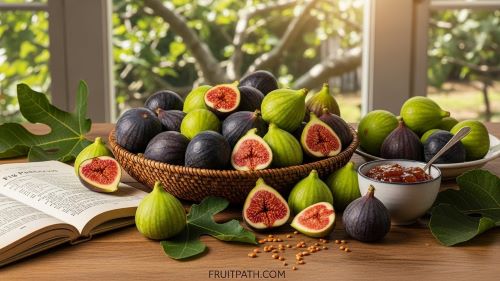
Figs also carry a sense of peace and prosperity from biblical times, like the phrase “under his vine and fig tree,” which was even quoted by George Washington. Today, figs are loved not only for their history and culture but also as a healthy food and gourmet ingredient, used in desserts, salads, and snacks.
Fig Fruit Names Around the World:
The common fig has many names in different languages, showing its long history in the Mediterranean and Middle East. The table below lists these names from various places and languages. Note that the pronunciations are approximate, and some languages use other writing systems.
| Language | Region | Name for Fig Fruit | Script (if applicable) | Notes |
| English | Worldwide | Fig | – | Common name |
| Spanish | Europe/Latin America | Higo | – | Breva for early figs |
| French | Europe | Figue | – | – |
| Italian | Europe | Fico | – | – |
| German | Europe | Feige | – | – |
| Portuguese | Europe/South America | Figo | – | – |
| Greek | Europe | Syko (σύκο) | σύκο | Ancient word |
| Turkish | Asia/Europe | Incir | – | – |
| Arabic | Middle East/Africa | Teen (تين) | تين | Qur’an mentions it |
| Hebrew | Middle East | Te’ena (תְּאֵנָה) | תְּאֵנָה | Biblical fruit |
| Hindi | South Asia | Anjeer (अंजीर) | अंजीर | Common in India |
| Urdu | South Asia | Anjeer | انجیر | – |
| Bengali | South Asia | Dumur | ডুমুর | – |
| Chinese (Mandarin) | East Asia | Wuhuaguo (无花果) | 无花果 | “Fruit without flower” |
| Japanese | East Asia | Ichijiku (イチジク) | イチジク | – |
| Korean | East Asia | Muhwagwa (무화과) | 무화과 | Similar to Chinese |
| Russian | Europe/Asia | Inzhir (инжир) | инжир | – |
| Swahili | Africa | Tini | – | East Africa |
| Afrikaans | Africa | Vy | – | South Africa |
| Finnish | Europe | Viikuna | – | – |
| Dutch | Europe | Vijg | – | – |
| Swedish | Europe | Fikon | – | – |

This table shows how figs are named in major languages from Europe, Asia, the Middle East, Africa, and other regions. Many Indo-European languages use similar words for figs because of ancient trade. In some cultures, such as Arabic and Hebrew, figs also have religious significance.
Popular Fig Varieties & Types:
Figs come in many varieties, each with a different look and taste. Learning about the types can help you choose the best ones to eat or grow. Here are some popular kinds explained simply.
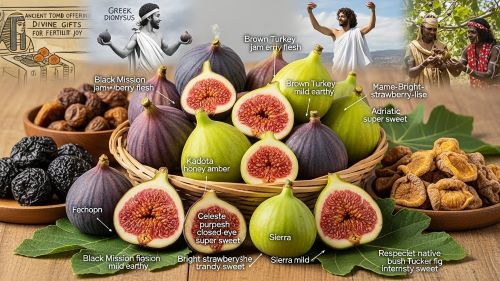
The Black Mission fig has dark purple skin and pink flesh. It is very sweet, with a jam-like, berry flavor. You can eat it fresh or dried. It was first grown at California missions and is now one of the most common figs in the USA.
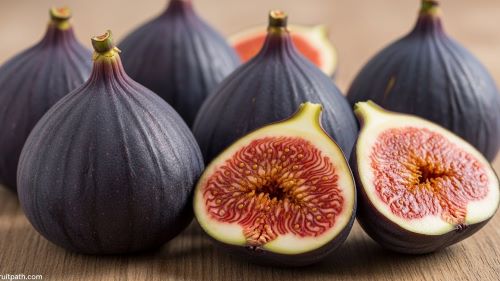
Brown Turkey figs: these figs have brownish-purple skin and a mild, sweet flavour. These types of figs are larger and less intense than Black Mission figs, which makes them good for people new to figs. They grow well in many areas and are easy to find in stores.
Kadota figs: This fig type, also known as Dottato, has green-yellow skin and a mild, honey-like flavor. Their flesh is amber-colored. They are good for canning or eating fresh.
Celeste figs: Celeste figs, also called Sugar figs, are small and very sweet. They have a closed eye at the bottom, which helps this fruit keep bugs out. Their flavor is like pure sugar with a touch of berry.
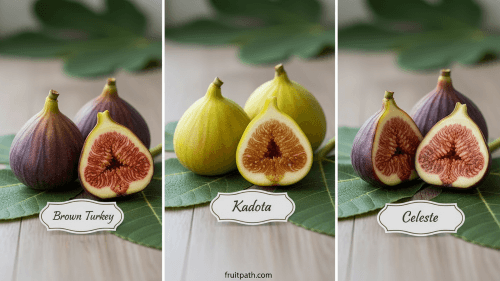
Other types include Adriatic figs, with bright green skin and a strawberry jam-like taste, and Sierra figs, which are mild and sweet and good for drying. When shopping, choose plump figs without bruises. At markets, ask for local varieties, as they are usually freshest.

The best fig variety for you depends on your climate and personal taste. If you want to grow figs at home, try easy types like Brown Turkey first. Here is a quick table to help you compare them:
| Fig Variety | Skin Color | Taste Notes | Best Uses |
| Black Mission | Dark purple | Jammy, berry | Fresh, dried |
| Brown Turkey | Brown-purple | Mild sweet | Eating raw, gardens |
| Kadota | Green-yellow | Honey-like | Canning, salads |
| Celeste | Purple-brown | Super sweet | Snacking, preserves |
What Do Figs Taste Like?
If you have not tasted a fig before, you might be curious about its flavor. Imagine honey blended with berries, plus a gentle crunch from the seeds. Fresh figs are soft and juicy, with a mild flavor similar to a mild strawberry or peach. You can eat the skin, which gives a slight chewiness.
Fresh figs and dried figs taste quite different. Fresh figs are soft and not too sweet, which makes them good for summer snacks. Dried figs are tougher to chew and much sweeter, like raisins, but with a stronger flavor. Drying them takes out the water, so the natural sugar stands out more and the taste gets stronger.
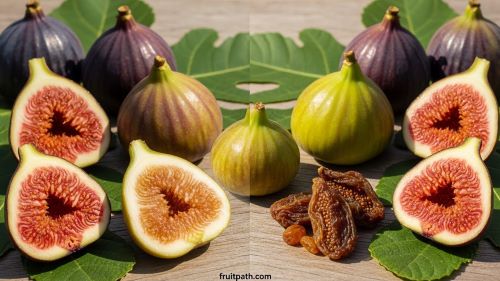
Each kind of fig has its trademark taste. Black Mission figs taste like jam with a bit of berry flavor, while Brown Turkey figs are milder and taste more like the earth. Kadota figs taste like honey, and some people think Adriatic figs taste a little like strawberries. Fresh figs have a soft, jelly-like middle with tiny seeds that pop, while dried figs are thick and sticky.
When figs are too ripe, they become mushy and extra sweet. If they are not ripe enough, they stay firm and lack much flavor. For the best taste, choose plump, soft figs. Many kids enjoy figs because they are sweet but not too strong.
Guide to Growing Fig Trees at Home:
Growing a fig tree is exciting and rewarding. With the right steps, you’ll have sweet homegrown figs before you know it! Here’s a simple, beginner-friendly guide in bullet points. We’ll share tips for specific regions, like cold winters or hot deserts, in future articles.
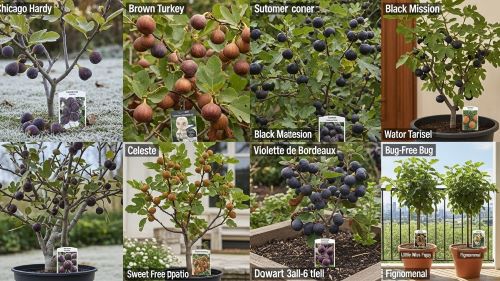
- Selecting the right variety: If you are new to gardening, then start with easy options like Brown Turkey, which is great for most situations; Chicago Hardy for cold areas; Celeste for sweetness and bug resistance; or Black Mission for rich flavor in warmer places. Dwarf types like Little Miss Figgy work well in pots.
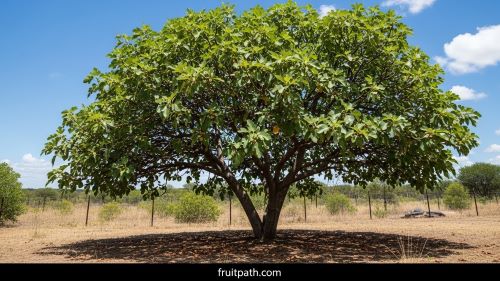
- Pick your planting spot: Fig trees need full sun, at least 6 to 8 hours each day. Fig trees grow best in well-draining soil, such as sandy or loose soil, because wet roots can cause problems. If your soil is heavy or sticky, mix in sand or compost to improve drainage.
- Decide whether to plant in the ground or in a container. In warm climates (zones 8 to 10), plant your fig tree directly in the ground. In colder areas, zones 5 to 7, use a large pot (15 to 20 gallons) so you can move it indoors or into a garage during winter freezes.
- Buy a healthy tree: Choose a plant that is one to three years old from a trusted nursery, either online or local. Look for strong stems and check for bugs or signs of disease.
- Best time to plant: Fall or early spring, when the tree is dormant and has no leaves. In areas with mild winters, winter planting is also fine.
- Planting steps:
- Dig a hole twice as wide as the root ball but no deeper.
- Mix some compost into the soil, but don’t use too much fertilizer. Figs grow best with simple care.
- Place the tree so the spot where the roots meet the stem is at the same level as the soil.
- Fill in, gently firm the soil, and water deeply.
- For pots: Use a mix of potting soil, small white rocks called perlite, and compost so water can drain well.
- Watering: Water deeply into the roots once a week during the first year, and more often if the weather is hot. Once your fig tree is established, it can handle dry conditions. Over-watering is actually worse than under-watering.
- Fertilizing: Feed your fig tree lightly in spring with balanced plant food or compost. Using too much nitrogen fertilizer will make the tree grow more leaves but produce fewer figs.
- Pruning: Prune your fig tree in late winter while it is dormant. Remove any dead branches or those that cross each other, and shape the tree so the center stays open for better light and air. Trim young trees a little to help them grow strong.
- Protect from cold: In colder areas, wrap the trunk with burlap, add plenty of mulch around the roots, or bring potted trees indoors.
- Watch for fruit: Most fig varieties grow fruit on new branches, so you’ll see small figs in the first or second year. They need hot summers to ripen deliciously.
- Common problem fixes: when your tree isn’t producing fruit, check whether it’s getting too much water or too much shade, if it’s still young, or if it was damaged by winter. For pests like ants or birds, use netting or organic sprays.
With these basics, your fig tree can thrive almost anywhere! Look out for our upcoming articles with detailed tips for growing figs in different regions, such as cold northern climates, hot deserts, tropical zones, Europe, Australia, and more. Happy growing!
Where to Buy Fig Trees or Fig Plants:
Have you decided about growing your own figs? Fig trees are hardy, easy to care for,and work well in yards, patios, or pots. Choose a healthy plant that matches your climate.
Top Beginner Fig Tree Varieties:
- Chicago Hardy: Handles cold weather well, grows sweet figs you can count on.
- Brown Turkey: Easy to grow, produces lots of mild-sweet figs, and thrives in many places.
- Black Mission: Grows dark, sweet figs and likes warm weather.
- Celeste: Super sweet, small tree, bug-resistant.
- Violette de Bordeaux: Tastes like berries and stays small.
- Small types like Little Miss Figgy and Fignomenal grow 3 to 6 feet tall, making them well-suited to pots.
Buy Locally (Best for Seeing Plants)
- Big-box stores such as Home Depot, Lowe’s, and Tractor Supply offer affordable fig trees, usually priced between $20 and $50. Chicago Hardy is often available in spring and summer.
- Local nurseries and garden centers can provide expert advice. Search for “fig trees near me.” In warmer states like California, Texas, and Florida, you can often find fig trees year-round.
- Farmers’ markets sometimes have young fig plants at low prices.
Buy Online (Great Selection & Delivery)
These trusted U.S. websites offer guarantees and ship nationwide:
- FastGrowingTrees.com has a large selection of potted fig trees and an arrival-alive guarantee.
- Wilson Bros Gardens sells healthy fig trees in pots, including ones that can handle cold weather.
- Willis Orchards and Stark Bro’s offer low-cost, old-fashioned varieties and good options for people new to growing figs.
- Nature Hills Nursery and Perfect Plants offer reliable and popular fig tree varieties.
- For rare or collector varieties, try Trees of Joy, FigBid, or other specialty growers.
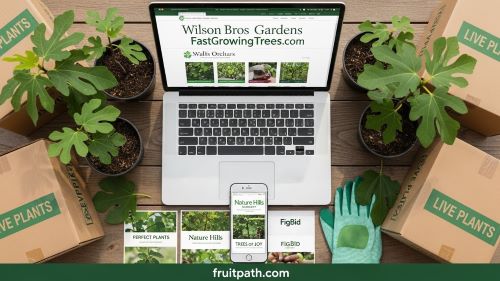
Fig Nutrition Facts (Fresh vs Dried):
Let’s look at the nutrition facts for figs. Figs are a healthy choice. They’re low in fat and packed with fiber and minerals. Here’s a quick comparison of fresh and dried figs per 100 grams, which is about a handful.
| Nutrient | Fresh Figs | Dried Figs |
| Calories | 74 | 249 |
| Fiber | 3g (moderate) | 10g (very high) |
| Sugar | 16g (natural, low) | 48g (concentrated, high) |
| Calcium | 35mg (medium) | 162mg (high) |
| Iron | 0.4mg (low) | 2mg (medium) |
| Potassium | 232mg | 680mg |
| Vitamin K | 4.7mcg | 15.6mcg |
Fresh figs have fewer calories than many other fruits because they contain a lot of water, so they make a light snack. Both fresh and dried figs have vitamin C. Dried figs have almost four times more fiber, which is good for digestion. Neither has added sugar; it’s all natural.
Dried figs have more sugar, so it’s best to eat them in small amounts if you are watching your sugar intake. The fiber helps balance this out. Figs also contain antioxidants, which help protect your body. For kids, figs are a fun and healthy alternative to junk food.

Fresh Figs vs Dried Figs: Which Is Better?
There is no clear winner between fresh and dried figs, but the differences are important. Fresh figs have more water and fewer calories (74 vs 249 per 100g), while dried figs offer more fiber and minerals. Dried figs also have about three times the fiber.
Fresh figs are a good choice if you want a light, juicy snack. They are great for kids or anyone on a low-calorie diet. If you need more energy, you might want to eat them less often.
People who need to watch their sugar intake, such as those with diabetes, should limit their intake of dried figs because they contain more sugar. However, the fiber in dried figs can help balance this effect.
For calculated benefits, eat 2-3 fresh figs (about 100g) or 1-2 dried figs (about 40g). It’s best to eat dried figs in small amounts to avoid extra calories.
Both fresh and dried figs are healthy, so feel free to enjoy a mix of both.


Proven Health Benefits of Figs:
Figs offer many health benefits that are supported by research. These small fruits can help your body in several ways. Here’s a simple explanation.
Excellent for Digestion & Relieving Constipation:
Figs are great for digestion because they are high in fiber, which helps food move through your system. Studies show that eating figs can relieve constipation better than some medicines. Soaking figs overnight can make the fiber work even faster.

Supports the bone health of humans:
Figs help strengthen bones because they contain calcium and potassium. A handful of dried figs can have more calcium than some types of milk. This supports bone health, especially as you get older. Figs also provide vitamin K, which is important for bones.

Fig Fruit Promotes Heart Health:
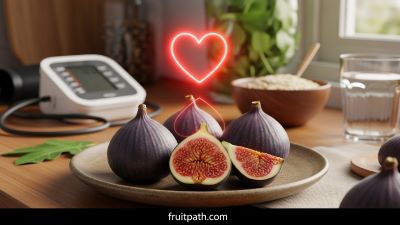
Figs can support heart health by lowering bad cholesterol and blood pressure. Potassium in figs helps relax blood vessels, and fiber helps remove waste from the body.
Blood Sugar Management & Diabetes:
Figs can be good for people with diabetes if eaten in moderation. The fiber in figs slows down the absorption of sugar, helping keep blood sugar levels steady. Studies in mice have shown that fig extract can improve insulin sensitivity. Fresh figs are a better choice because they have less sugar.

Figs for Aids Weight Control:
Figs can help with weight control because their fiber helps you feel full, so you may eat less. Fresh figs are low in calories, making them a good snack. Research links high-fiber fruits like figs to better weight management.
With all these benefits, figs are a great addition to your daily diet. Try eating 3 to 5 figs each day.

How to Eat Fresh Figs: Ideas & Simple Recipes:
Not sure how to eat figs? It’s simple. Fresh figs are really versatile. You can eat them whole, including the skin, for a quick snack. Or cut them into quarters and add them to salads or top them with yogurt.
Figs taste great with cheeses like goat or blue cheese. The sweet and tangy flavors go well together. For a savory option, add some prosciutto. If you want a dessert, drizzle honey on top.
Simple recipes:
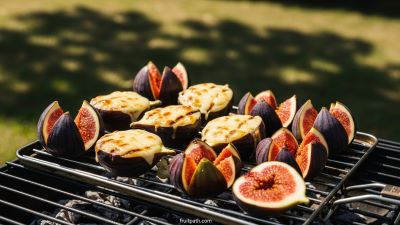
- For grilled figs, cut them in half and grill for 2 to 3 minutes. Then, top with cheese. They make a great side dish.
- To make a fig salad, mix some greens with quartered figs, nuts, and a splash of balsamic vinegar.
- For a fig smoothie, blend figs with a banana and some milk until smooth and creamy.
- To make baked figs, stuff them with goat cheese and bake for 10 minutes.



These fresh fig recipes are great for kids, too. For the best flavor, keep your figs fresh until you’re ready to use them.
When Are Figs in Season?
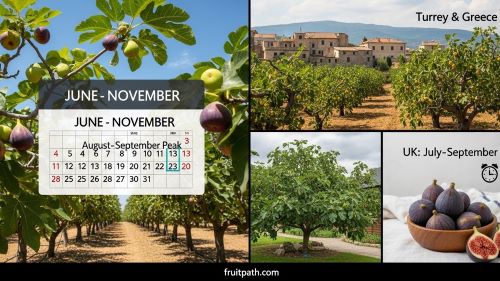
Fig season is something to look forward to! In the USA, especially in California, figs are at their best from June to November, with the main harvest happening in August and September. In Mediterranean countries like Turkey and Greece, figs are in season from summer through fall.
In the UK, imported figs are available all year, but locally grown ones are usually found from July to September. Fresh figs spoil quickly, which is why they are a special treat when in season.
Enjoy figs when they are in season for the best flavor.
How to Store Fresh Figs Properly:
To store fresh figs, keep them at room temperature in a dry place for 2 to 3 days. You can also refrigerate them in a container for 5 to 7 days, but avoid very cold spots to prevent them from getting mushy.
You can freeze figs, too. Just wash and slice them, freeze the pieces on a tray, then transfer to a bag for up to six months. They work well in smoothies.
If your figs have soft spots, mold, or a sour smell, they have gone bad and should be thrown away.
Storing figs properly helps keep them fresh.

Where to Buy Fresh Figs and Dried Figs:
Maybe now you are ready to buy these remarkable fruits; we will help you find high-quality, fresh figs in season and dried figs year-round. Below are convenient options for purchasing both.
- Buying Fresh Figs (Best June–Nov, Peak Aug–Oct)
Fresh figs are fragile and taste best when bought during the U.S. season, when most come from California.
- Farmers’ markets and local stands offer the freshest Black Mission and Brown Turkey figs. Search for nearby markets or use apps like LocalHarvest to find affordable, high-quality options.
- Fresh figs are also available at grocery stores, including Trader Joe’s, Whole Foods, Costco, Walmart, and specialty retailers such as Eataly.
- For fast online delivery, try Melissa’s Produce for special fig types with overnight shipping, or use Instacart and Amazon Fresh for local options.

Select figs that are soft, plump, and have a sweet aroma. Consume them promptly, as they spoil quickly.
- Buying Dried Figs (Available Anytime):
Dried figs are great for snacking, baking, or serving with cheese. For a healthier option, choose unsweetened, organic varieties.
- Dried figs are available online from Amazon (including Terrasoul Organic Mission and Made In Nature Smyrna), Nuts.com (for bulk Turkish figs), Walmart.com, and Instacart.
- Grocery and bulk retailers such as Costco, Sam’s Club (Sun-Maid), Trader Joe’s, Whole Foods, and Sprouts (Valley Fig Growers, Sunny Fruit) also carry dried figs.
Pick unsulfured or organic dried figs and keep them in a cool, dry place to keep them fresh.
Whether you prefer fresh figs or dried figs, consider purchasing some today. Both options offer excellent flavor and versatility.
Conclusion: Why Figs Should Be in Your Diet Year-Round:
Figs are not just delicious; they are a super healthy fruit you can enjoy all year round. Fresh figs are juicy and sweet in summer, and dried figs are easy to find any time and last for months.
They are packed with fiber to help with digestion, natural sugars for quick energy, and important minerals like calcium, iron, and potassium that help keep your body strong. You can eat figs as a snack, mix them into oatmeal and yogurt, add them to salads, bake them in cakes, or blend them into smoothies. Whether you want better digestion, stronger bones, or just a healthy sweet treat, adding figs to your daily diet is an easy way to feel happier and healthier.
What’s your favorite fig recipe? Share below!
FAQs About Figs: Everything You Need to Know:
Here are the most common questions people ask about figs, answered in a simple, clear way to help you enjoy this delicious fruit safely and confidently.
Are figs blood thinners?
No, figs do not act as blood thinners. In fact, their high vitamin K content supports blood clotting, which can reduce the effectiveness of medications like warfarin. If you’re on blood thinners, eat figs in consistent amounts and talk to your doctor.
How many dried figs should I eat a day?
For most adults, 2 to 5 dried figs per day is ideal. This amount provides great benefits, it contain fiber, potassium, calcium, without too many calories or sugar. Start with 2–3 if you’re new to them, especially to avoid digestive discomfort. Soaking them overnight makes them easier on the stomach. Always adjust based on your health needs.
Do dried figs help burn belly fat?
Dried figs do not directly burn belly fat or target any specific area, no food can do that. However, their high fiber helps you feel full longer, supports healthy digestion, and can aid overall weight management when part of a balanced diet and active lifestyle. Enjoy them in moderation as a nutritious sweet snack.