Figs are sweet, soft fruits that people have enjoyed for centuries. From ancient times to today’s farmers’ markets, fresh figs are a seasonal treat. If you have ever asked, “When are figs in season?” you are not surprisingly alone in asking this question.
This guide covers when figs are harvested, how the season changes by region, and tips for enjoying them at their best. Whether you grow figs, shop for them, or want to cook with them, knowing when figs are in season helps you enjoy their short-lived freshness.

In this post, we will look at when figs are in season in different places, why they are only around for a short time, the best times to buy them, and how fresh figs compare to dried ones. By the end, you’ll know how to enjoy figs at their best, wherever you live.
Fig Season Months at a Glance:
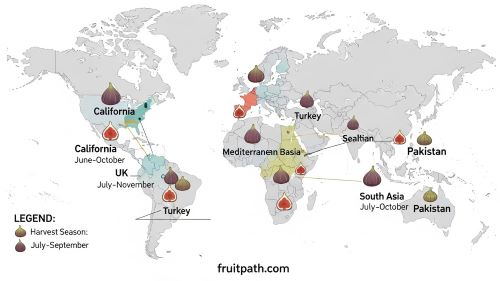
For you a quick summary of when figs are in season in different regions. The exact timing will change depending on the weather, fig variety, and local climate. This calendar is based on data from farmers and agricultural reports.
| Region | Fig Season Months |
| USA (General) | June – October |
| California | July – September |
| Mediterranean | June – September |
| UK | August – October |
| South Asia | May – July |
These harvest months show that figs ripen earlier in warm places and later in cooler areas, where the season is also shorter. For example, California’s main fig crop is the biggest, but other regions have their own unique seasons. Let’s look at the details for each area.
Why Fresh Figs Are Only Available for a Short Time:
Fresh figs are a special treat that only lasts for a short time. They appear in stores in large amounts during their peak, but they don’t stay long. Unlike apples or citrus, figs are delicate and have a short season. Here is why their season is brief:
- Extremely Soft Skin: Figs have delicate, thin skins that bruise easily. This makes them prone to damage during picking and storage, limiting how long they stay fresh post-harvest.
- Very Short Shelf Life: Once ripe, fresh figs last only two to three days at room temperature or up to a week in the fridge. Because they have a lot of water, they spoil quickly, unlike dried fruits that can last for months.
- Sensitive to Transport: Figs don’t travel well over long distances. If they are handled roughly, they can become mushy, so most are eaten close to where they are grown. This is why you might see imported figs, but they are often more expensive and not as tasty.
- Most Figs Are Eaten Locally: In big fig-growing areas, people buy them fresh right away. Drying figs helps them last longer, but fresh figs are usually sold nearby to keep them from losing quality.
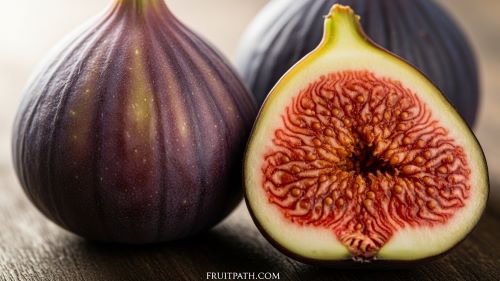
Fig Season in the United States:
The United States grows a lot of figs, with California producing almost all the fresh figs sold. In the USA, fig season usually runs from June to October, but the timing depends on the type of fig and the weather.
- Early Crop (Breba): This smaller harvest comes in May to June. Breba figs grow on last year’s branches and are often bigger, but not as many. Varieties like ‘Desert King’ are popular here, giving a preview of the main harvest.
- Main Crop: Most figs are picked from July to September. This is when figs are the sweetest, with trees making lots of new fruit. In warmer states like Texas or Florida, the season might start earlier, but in cooler places like Oregon, it starts later.
- Late Varieties: From September to October, late types like ‘Black Mission’ give one last round of figs. Frost can end the season early in northern states, so timing is important.

For more details about fig season in different US states, check out our fig season USA guide. Things like drought or heatwaves can change the timing, but summer is usually the best time for figs in America.
Fig Season by Region Around the World:
Fig trees do best in warm, sunny areas, but the harvest season changes around the world depending on location, rainfall, and soil. Most figs are grown in the Northern Hemisphere. Therefore a look at some key regions and when their fig seasons happen.
Mediterranean Countries:
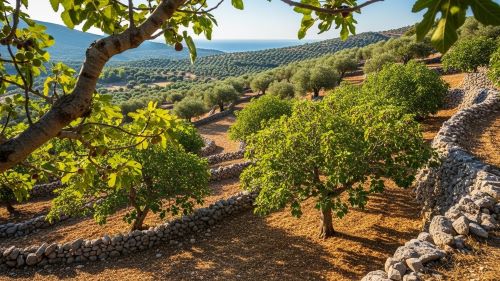
Spain, Italy, Greece, and Turkey are some of the oldest places where figs have been grown. These countries have hot summers and mild winters, which are perfect for figs. Their fig season lasts from June to September.
Turkey is the world’s largest fig producer, with harvests starting in early June and peaking in August. In Italy, types like ‘Dottato’ are known for their quality, and the best flavors come in September. Greece and Spain have similar seasons, though coastal areas may have figs into October. These countries export dried figs all year, but fresh figs are best enjoyed locally during the summer.
United Kingdom:
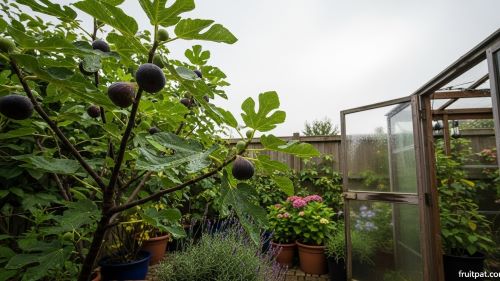
The UK’s cooler, wetter climate shortens fig season to August through October. Figs here are mostly grown in greenhouses or sheltered gardens, as outdoor trees struggle with frost. Varieties like ‘Brown Turkey’ adapt well, producing a modest main crop in late summer.
Harvests in the UK are smaller and later than in warmer countries, so people often buy imported figs from the Mediterranean when local figs aren’t in season. Climate change is making it easier to grow figs farther north, but for now, August is when fresh figs usually appear in UK markets.
South Asia:
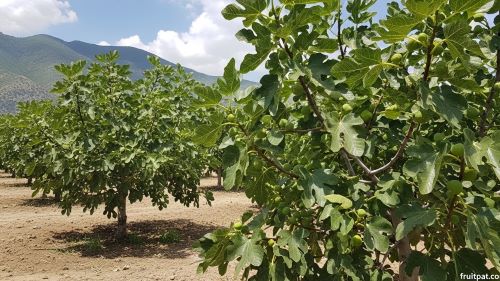
In hotter places like Pakistan and India, fig season starts earlier, from May through July. High temperatures make figs grow faster, with breba crops in late spring and main crops by the middle of summer.
In India, figs called Anjeer grow well in states like Maharashtra and are picked starting in May. Pakistan, a major exporter, has its main fig season in June and July, with varieties that grow well in dry areas. Monsoon rains can affect fig quality, but the early season means these countries can supply fresh figs when other regions cannot.
These differences show that figs can grow in many climates, from cool to hot. If you’re travelling or want figs from other countries, you can use local farmer directories or apps to find out when figs are harvested.
Best Time to Buy Fresh Figs:
Buying figs during their season gives you the best taste and value. Here are some tips to help you choose well:
- Best Flavour: Buy figs during the main season, usually from late July to September. Figs are sweetest and softest at this time, better than those picked early or late in the season.
- Finding Local Figs: Visit farmers’ markets or join a CSA(Community Supported Agriculture) to get the freshest figs. Local figs don’t have to travel far, so they keep their texture and taste. You can also use apps like LocalHarvest to find growers near you.
- Farmers Market vs. Supermarket: Farmers’ markets usually have ripe figs at better prices, and you can try different varieties. Supermarkets often sell imported figs that are firmer and may not be fully ripe, so you might need to let them ripen at home in a paper bag.

Tip: Choose figs that are soft and plump, without bruises. For more buying tips, check our best time to buy figs guide. Buying in season saves money and supports local farmers.
Fresh Figs vs Dried Figs Availability:
Fresh and dried figs are from the same fruit, but they are available at different times and used in different ways. Here’s what to know about the fresh fig season compared to dried figs, which are available year-round.
- Why Dried Figs Are Always Available: Drying figs removes their water, so they last for months or even years. Sun-drying or machine drying, often used in California and Turkey, makes them easy to ship worldwide. You can buy dried figs any time, and they are great for baking or snacks.
- Why Fresh Figs Are Hard to Find in Winter: Fresh figs spoil fast and can’t be stored long without losing quality. In the off-season, some figs come from greenhouses or the Southern Hemisphere (like Australia, November to February), but they cost more and don’t taste as good.
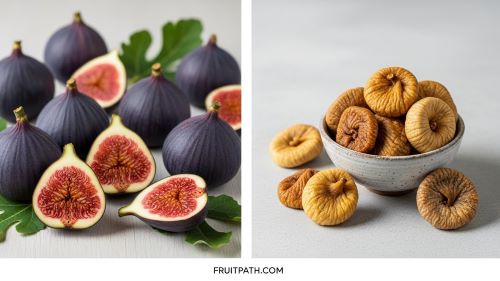
Fresh figs have more water and vitamin C, while dried figs have more sugar and fibre. For a full comparison, see our fresh vs dried figs guide. In short, eat fresh figs when they’re in season and use dried figs the rest of the year.
FAQs About Fig Season:
Here are answers to common questions about fig harvest time and availability:
Q: What month are figs best?
Figs are at their best in late July through September during the main crop, when they are sweetest and most abundant. This varies slightly by region, earlier in South Asia, later in the UK.
Q: Are figs available in winter?
Fresh figs are rare in winter due to their short shelf life. You might find imports or greenhouse-grown ones, but they are pricey. Dried figs are your go-to for year-round enjoyment.
Q: Why are figs so expensive out of season?
Out-of-season figs require importation, special storage, or controlled environments, driving up costs. In-season, local abundance keeps prices down—often $3-5 per pound vs. $8+ off-season.
Conclusion – Enjoy Figs at Their Perfect Time:
Biting into a ripe fig is a special treat, full of sweet summer flavour. Fig season is short but worth waiting for. Whether you are in the Mediterranean or the US, eating figs during their best months gives you the best taste. Look for local figs this season, try new recipes, and enjoy them while they last. The best things in life, like fresh figs, don’t last long, so enjoy them when you can.