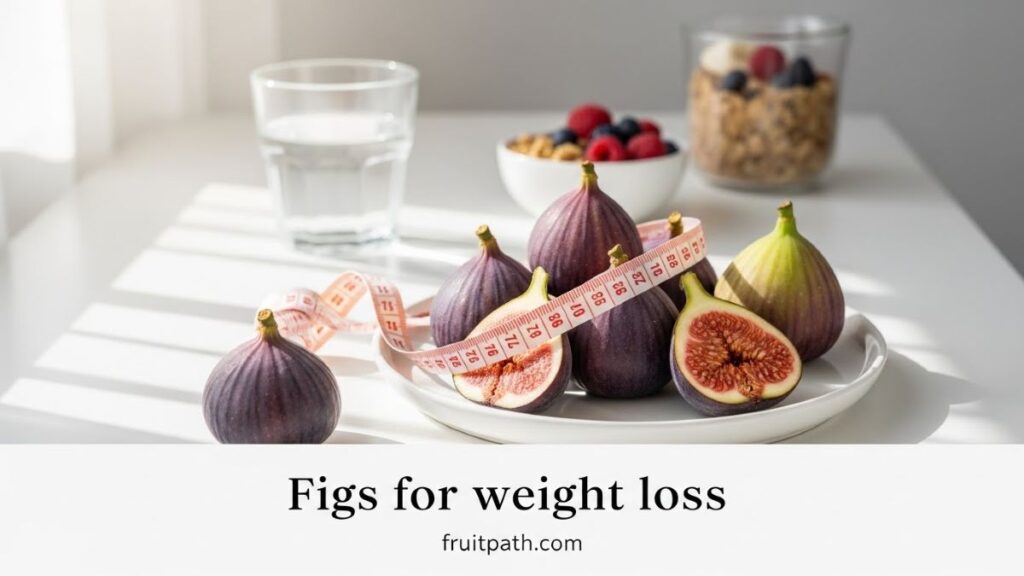
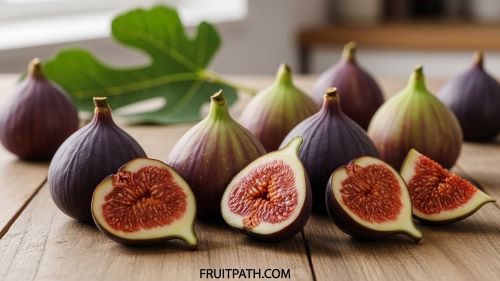
Figs are one of the oldest fruits people have enjoyed for thousands of years. They grow on fig trees in warm countries, such as the Middle East, Asia, and parts of America. Figs are shaped like small pears or teardrops, with soft skin that can be purple, green, or brown. Inside, they have a sweet, jelly-like centre with tiny crunchy seeds.
You can eat them fresh when they are ripe and juicy, or dried, which makes them last longer and taste even sweeter.
Many people enjoy figs because they are natural and healthy. Figs are helpful for weight loss because they are high in fibre, which helps you feel full. They are also low in calories, especially when fresh, so you can eat them instead of candy or chips. Figs are a naturally sweet fruit that can make your diet more enjoyable without adding extra sugar or fat.
In this post figs for weight loss, you will learn everything you need to know about figs. We’ll cover what figs are, their nutrition facts, how they support weight loss, the differences between fresh and dried figs, how many to eat each day, simple ways to add them to your meals, other health benefits, possible side effects, and you will know how to use figs to help you reach your weight goals in a simple and tasty way. Let’s get started!
What Are Figs?
Figs are a unique fruit because they grow in different ways. They actually develop from a flower that turns inside out. Fig trees can live up to 100 years and like sunny, dry weather. In places like California, many figs are grown for people because they love eat to enjoy.
Fresh figs are in season during summer and early fall, making them easiest to find in stores then. When ripe, they feel soft and squishy, and you can eat the whole fruit, including the skin and seeds.
Dried figs are made by letting fresh figs dry in the sun or in special machines. This process makes them smaller, chewier, and sweeter because the natural sugars become more concentrated as the water is removed. People have been drying figs for a long time to save them for winter or for travelling.

Nutrition for One Small Fresh Fig (about 40g)
| Nutrient | Amount | Why It’s Good |
| Calories | 30 | Low energy, great for weight control |
| Protein | 0.3g | A little help for muscles |
| Fat | 0.1g | Almost none, very healthy |
| Carbohydrates | 7.7g–8g | Mostly natural sugars for energy |
| Fiber | 1.2g | Keeps tummy full and moving smoothly |
| Sugars | 6.5g | Natural sweetness, not added |
| Potassium | 93mg | Good for heart and muscles |
| Calcium | 14mg | Helps build strong bones |
| Other vitamins | Vitamin A, C, K | Supports eyes, fights colds, healthy blood |
(Source: USDA and health sites like Healthline)
How Figs Help With Weight Loss:
To lose weight, you need to eat fewer calories than you burn, but it’s more than just counting calories. Choosing foods that keep you satisfied helps you avoid unhealthy snacks. Figs are a great choice because they are high in fibre and low in calories. Below is how they can help you with this process.
High Fibre Keeps You Full:
Fibre is one of the main reasons figs help with weight loss. There are two types: soluble fibre, which mixes with water to form a gel in your stomach, and insoluble fibre, which adds bulk and helps with digestion. Figs contain both types.
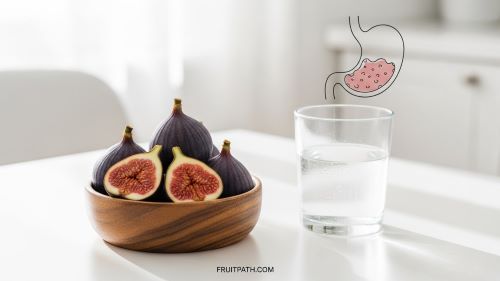
This fibre slows down digestion, so food stays in your stomach longer. Think of your stomach like a balloon; fibre fills it up without adding many calories, so you feel full and are less likely to eat again soon.
If you choose a fig instead of a candy bar, the fibre in the fig helps control your appetite. Research shows that eating more fiber always encourages people to eat less and lose weight over time.
One small fig has about 1-2 grams of fibre, so eating a few can help you reach the daily goal of 25-30 grams. This appetite control is important because it helps prevent overeating and unhealthy snacking.
Low-Calorie Snack:
Figs are a low-calorie snack and a healthier option than sweets. Fresh figs have few calories but plenty of flavour, making them a good substitute for dessert or junk food.
For example, a handful of chips might have 150 calories and little nutrition, while two fresh figs have about 60 calories along with fibre and vitamins. This makes it easier to manage your calories without feeling restricted.
Choosing figs gives you a natural way to satisfy your sweet tooth. Over time, this can help you eat fewer calories each day, which supports weight loss. Figs are also easy to take with you, making them a convenient snack for school or work.

Figs Help Digestion:
Good digestion is important for weight loss because digestive discomfort can affect your eating and activity habits. The fibre in figs supports digestion by helping keep bowel movements regular. This can reduce bloating and constipation, helping you feel lighter and more energetic.
Figs act as a natural laxative due to their fibre and water content, especially when fresh. They also contain prebiotics, which support gut health by feeding beneficial bacteria.
A healthy gut can enhance nutrient absorption and reduce inflammation, both of which support weight loss. If you often feel sluggish, adding figs to your diet may help improve digestion.
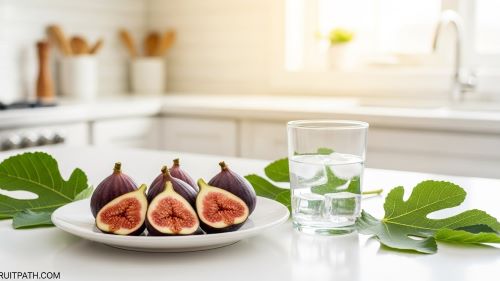
Figs May Help Blood Sugar:
Blood sugar spikes can make you feel hungry and tired, which may lead to overeating. Figs have a moderate glycemic index, which measures how quickly food raises blood sugar. Fresh figs have a glycemic index of about 35 (low), while dried figs are around 61 (medium). Because of their fibre, figs do not cause large increases in blood sugar.
Figs are considered insulin-friendly foods and can help the human body prevent the blood sugar crashes that lead to sugar cravings. If you have diabetes or pre-diabetes, eating small amounts of figs may be helpful, but you should consult your doctor first. Keeping blood sugar stable helps maintain steady energy levels, making it easier for a person to follow their weight-loss plan.
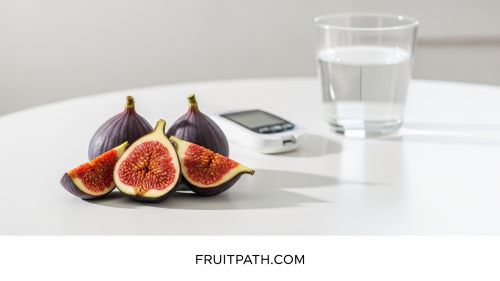
Fresh Figs vs Dried Figs for Weight Loss:
If you are trying to lose weight, you should consider the difference between fresh and dried figs. Fresh figs are juicy and have a lot of water, so they help you feel full with fewer calories. For example, 100 grams of fresh figs have 74 calories and 3 grams of fibre. They are sweet but not overly so, making them a good snack.
Dried figs are chewy and much sweeter, almost like candy, because removing the water makes the sugars and calories more concentrated. In 100 grams, dried figs have 249 calories and about 10 grams of fibre, but also a lot more sugar such as 48 grams compared to 16 grams in fresh figs. So, if you are counting calories, fresh figs are the better choice.

For weight loss, choose fresh figs when you can because they make portion control easier. Dried figs are fine in small amounts, like 3 to 5 pieces, since they have more nutrients like potassium and calcium in each bite.
Just remember, eating too many dried foods can quickly increase your calorie intake. Here’s a tip: soaking dried figs makes them bigger and less calorie-dense.
| Nutrient | Fresh Figs (100g) | Dried Figs (100g) | Notes |
| Calories | 74 | 249 | Fresh is much lower — better for weight loss |
| Protein | 0.75g | 3.3g | Dried has more |
| Fat | 0.3g | 0.93g | Both very low |
| Carbohydrates | 19g | 64g | Mostly natural sugars |
| Fiber | 2.9g | 9.8g | Dried has way more — great for fullness |
| Sugars | 16g | 48g | Dried is sweeter and more concentrated |
| Potassium | 232mg | 680mg | Both good for heart |
| Calcium | 35mg | 162mg | Dried has much more for bones |
| Iron | 0.37mg | 2mg | Dried helps more with energy |
| Magnesium | 17mg | 68mg | Dried is better for muscles |
(Source: USDA data from Medical News Today and Healthline)
Use this information to help you decide: choose fresh figs for everyday snacks and dried figs for an energy boost.
How Many Figs Should You Eat for Weight Loss?
The best serving size of figs depends on your body and goals, but a good place to start is 2 to 4 fresh figs a day or 3 to 5 dried ones. This is about ¼ cup dried or a handful of fresh figs. You’ll get fibre without too much sugar, for about 100 to 150 calories.
When choosing how many figs to eat for weight loss, consider your daily needs. Adults need 25 to 38 grams of fibre, and 4 dried figs provide about 5 grams. Pair figs with foods like nuts or yoghurt to help balance their sugar content. If you are active, you might eat more; if not, stick to a smaller amount.
Start slowly, because eating too many figs at once can upset your stomach. Pay attention to how you feel and adjust as needed. Eating figs soaked in water or with meals can help you get the most benefits.

Best Ways to Eat Figs for Weight Loss:
You can eat figs on their own, but adding them to meals can make things more interesting. Here are some easy ways to include figs in your diet.
Soaked Figs in Water:
The benefits of soaked figs for weight loss are significant. Put 2-3 dried figs in water overnight. They swell up, are easier to digest, and the water gets sweet to drink! This helps hydration and fullness in the morning. Many people eat them on an empty stomach for a quick energy boost.

Add Figs to Breakfast:
Try mixing chopped figs with yogurt or oats. For example, combine 1 cup of plain yogurt with 2 sliced fresh figs and a sprinkle of nuts. This adds natural sweetness without extra sugar, and the protein helps keep you full.
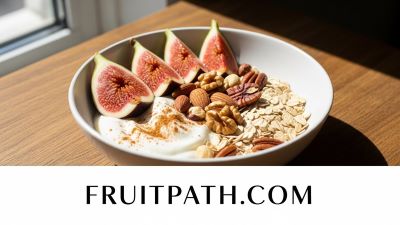
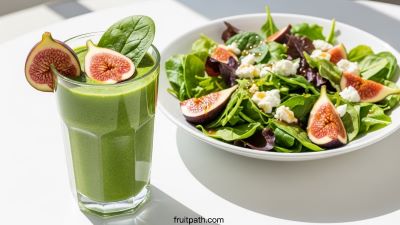
Fig Uses in Smoothies & Salads:
For a smoothie, blend 2 figs with a banana, some spinach, and milk for a creamy, green drink. In salads, add sliced figs to greens, cheese, and dressing for a touch of natural sweetness.
Swap for Sweets:
Swap cookies for figs. You can also make fig bars by mixing ground figs with oats and baking them, with no added fat.
More recipes: Roasted figs with honey—bake halves with a drizzle, serve with yoghurt. Or fig pudding: Cook figs with milk for a creamy treat. These healthy fig snacks keep things exciting.

Figs Benefits for Females:
Figs offer special benefits for women. They contain iron, which helps fight tiredness during periods, and calcium and magnesium for strong bones, which is important as women get older. The fibre in figs can ease digestion and reduce bloating. Some people believe figs help balance hormones and reduce painful periods (dysmenorrhea). Antioxidants in figs also support healthy skin and hair.

Other Health Benefits of Figs:
Figs offer more than just weight loss benefits. Potassium in figs helps lower blood pressure for heart health. Calcium and vitamin K support strong bones. Prebiotics in figs feed good gut bacteria. Antioxidants help fight aging and disease. Figs also provide iron for energy and magnesium to calm your nerves. All these benefits make figs a superfood.
Risks and Things to Watch:
Figs are generally safe, but dried figs are high in sugar, so limit your intake to avoid extra calories. Eating too much fibre can cause gas, diarrhoea, or bloating. If you are allergic to latex or pollen, figs might cause itching or a rash. Fig leaves can also lower blood sugar too much if you take certain medications. Start with a small amount and talk to your doctor if you have concerns.

Final words :
Figs can be a great choice for losing weight because they are high in fibre, low in calories, and support digestion and blood sugar control. You can enjoy figs fresh or dried as part of a balanced diet with vegetables, proteins, and regular exercise.
Remember to watch your portions and try different recipes to keep things interesting. Figs are not a miracle solution, but they can make healthy eating more enjoyable. Give them a try and see how they help you feel better and work toward your goals.
FAQs:
Do figs burn belly fat?
Figs do not burn belly fat directly. No food can target just one area of your body for fat loss.
However, figs can help with overall weight loss because they are high in fibre.
The fibre in figs helps you feel full for longer, which can lead you to eat fewer calories each day.
Over time, this may help reduce fat throughout your body, including your belly.
For the best results, include figs in your daily meal plan as part of a healthy diet and a regular exercise routine.
Are figs too high in sugar?
Figs contain natural sugar, but the amount is not too high if you eat them in moderation.
A small fresh fig has about 6 to 8 grams of sugar and just 30 to 40 calories.
Dried figs have more sugar per piece, about 4 to 5 grams each, because the sugars are more concentrated.
The fibre in figs helps slow down how quickly sugar enters your bloodstream.
So, figs are a better choice than candy, but it’s best to eat only 2 to 5 figs a day to manage your sugar intake.
What is the 3, 3 and 3 rule for weight loss?
The 3-3-3 rule is a simple habit that can support weight loss and help you feel better.
It means eating three balanced meals a day, drinking about three bottles of water by the afternoon, and getting three hours of movement, such as walking or exercise, each week.
Some versions suggest taking 3,000 steps, drinking one-third of your daily water, and eating 30 grams of protein before noon.
These habits can help control hunger, boost your energy, and build healthy routines.
What happens to your body if you eat figs every day?
Eating a small amount of figs every day gives your body plenty of fibre, which helps with smooth digestion and regular bowel movements.
Figs also provide vitamins, potassium for heart health, and calcium for strong bones.
The fibre in figs helps you feel full, which can support weight loss and keep your blood sugar steady.
Figs contain antioxidants that help protect your body and may reduce inflammation.
However, eating too many figs can cause gas, loose stools, or add extra calories. Eating 2 to 5 figs a day is just right.
When should you not eat figs?
Do not eat figs if you are allergic to latex, birch pollen, or mulberry. Eating figs can cause an itchy mouth, rash, or swelling in people with these allergies.
Avoid figs if you have digestive issues like IBS and find that too much fibre makes you feel uncomfortable.
If you take a blood-thinning medicine such as warfarin, eat only a small amount of figs, as they contain vitamin K.
Always start with small amounts, and talk to your doctor if you have allergies or health concerns.