
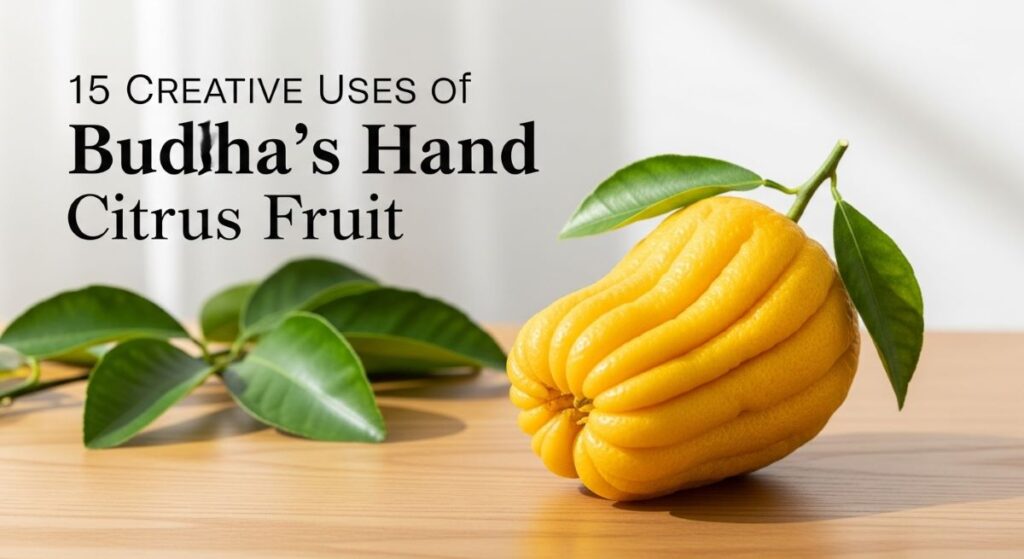
Buddha’s Hand citrus fruit looks strange at first glance. It has long, finger-like shapes and a bright yellow color. Many people see it in markets and ask the same question:
What do you do with Buddha’s Hand fruit?
This exotic citrus fruit is not like lemons or oranges. It has almost no juice inside. But don’t let that confuse you. Buddha’s Hand is extremely valuable in cooking, baking, drinks, home fragrance, and even for traditional uses.
In this guide, you will learn 15 creative uses of the Buddha’s Hand citrus fruit, explained in a very simple way. Even if you have never used this fruit before, by the end of this article, you’ll know exactly how to use it correctly.
If you enjoy cooking, desserts, or experimenting with exotic fruits, this guide will help you get the best out of Buddha’s Hand.
- What Is Buddha’s Hand Citrus Fruit?
- Is Buddha’s Hand Citrus Fruit Edible?
- What Does Buddha’s Hand Taste Like?
- 15 Creative Uses of Buddha’s Hand Citrus Fruit:
- Culinary Uses of Buddha’s Hand:
- Non-Culinary Uses of Buddha’s Hand:
- How to Eat Buddha’s Hand Citrus Fruit Safely:
- How to Store Buddha’s Hand Citrus Fruit:
- Why Use Buddha’s Hand Instead of Lemon?
- Nutritional and Health Aspects of Buddha’s Hand:
- Frequently Asked Questions (FAQs)
- Final Thoughts:
What Is Buddha’s Hand Citrus Fruit?
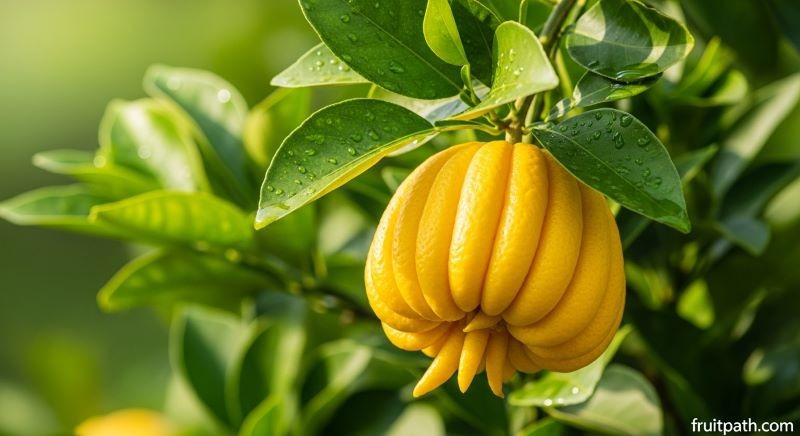
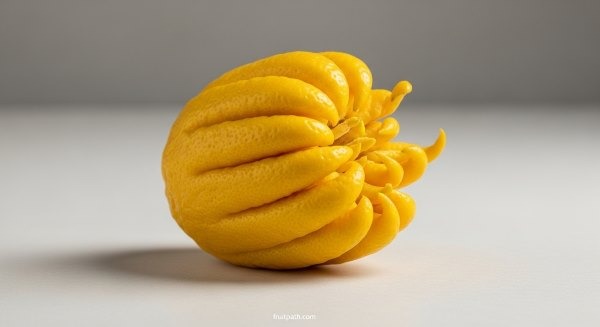
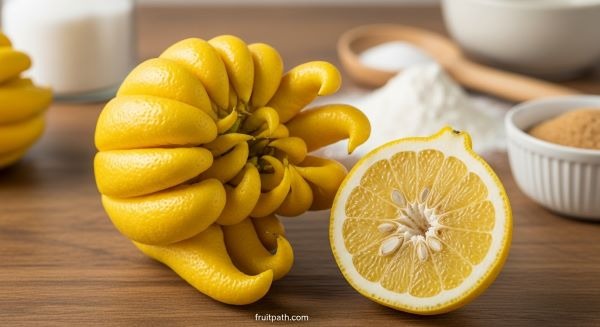
Buddha’s Hand is a rare type of citron fruit. It belongs to the citrus family, just like lemons and oranges. But unlike common citrus fruits, it grows in finger-like sections that look like a hand.
That is why it is called Buddha’s Hand.
Key Characteristics of Buddha’s Hand:
- Bright yellow color.
- Strong lemon-like fragrance.
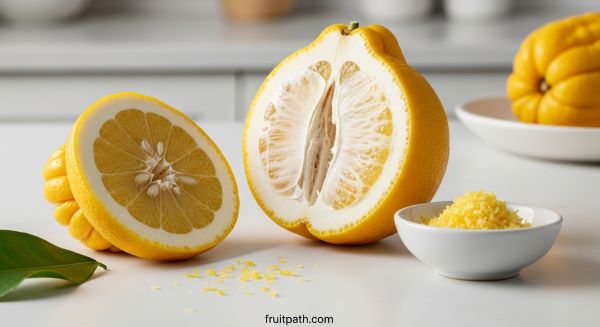
- Thick peel and white pith.
- Little to no juicy pulp.
- No seeds in most cases.
The most important part of this fruit is its aroma and zest, not the juice.
Is Buddha’s Hand Citrus Fruit Edible?
Yes, Buddha’s Hand citrus fruit is edible. But it is eaten very differently from other citrus fruits.
You cannot peel it and eat it like an orange. Instead:
- The yellow peel (zest) is used for flavor.
- The white pith is soft and mildly sweet.
- The fruit is usually cooked, candied, or infused.
Because it is not sour or juicy, Buddha’s Hand is perfect for recipes that need aroma rather than acidity.
What Does Buddha’s Hand Taste Like?
Buddha’s Hand does not taste sour like lemon.
Its taste is:
- Mildly citrusy.
- Slightly sweet.
- Floral and fragrant.
- Not bitter (even the pith).
That is why many chefs prefer it for desserts and baked goods.
15 Creative Uses of Buddha’s Hand Citrus Fruit:
Now let’s get to the most important part: how to use Buddha’s Hand citrus fruit in creative and practical ways.
Culinary Uses of Buddha’s Hand:
1. Use Buddha’s Hand Zest for Baking:
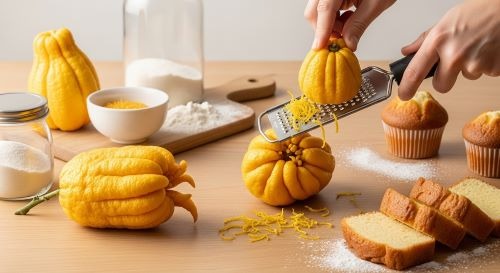
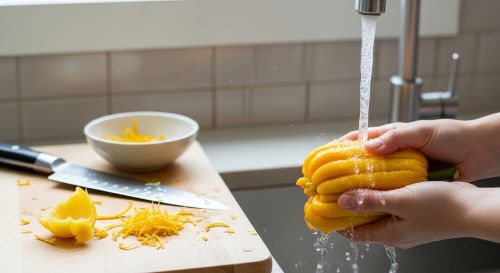
The most common use of Buddha’s Hand is its zest.
You can grate the yellow outer peel and add it to:
- Cakes.
- Pound cakes.
- Muffins.
- Cookies.
- Bread.
It adds a fresh citrus smell without making the dish sour. This makes it perfect for sweet recipes.
2. Add Buddha’s Hand to Indian Dishes:
Buddha’s Hand works very well in Indian cooking.
You can use it in:
- Lemon rice.
- Pulao.
- Vegetable curries.
- Chutneys.
Just a small amount of zest can brighten the entire dish. It adds aroma, not sharp acidity.

3. Make Buddha’s Hand Marmalade:
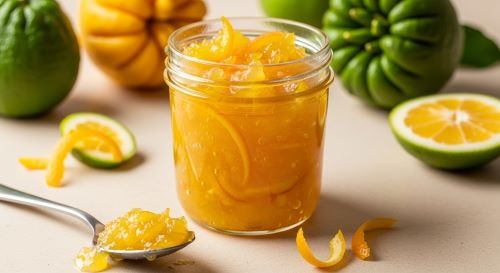
Because Buddha’s Hand has a thick peel, it is ideal for marmalade.
Buddha’s Hand marmalade:
- Is sweet and fragrant.
- Has a mild citrus taste.
- Works well on toast, pancakes, or cakes.
This is one of the best ways to preserve the fruit.
4. Candy the Buddha’s Hand Peel:
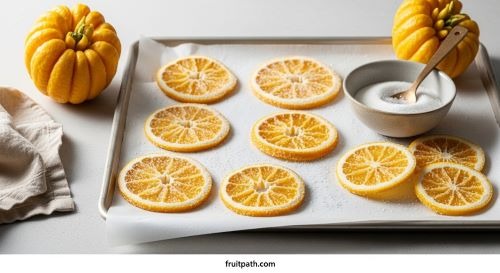
Candied Buddha’s Hand is a popular treat.
You can:
- Slice the fruit.
- Boil it with sugar.
- Dry it lightly.
Candied pieces are great for:
- Desserts
- Cake decorations
- Gifting
5. Make Buddha’s Hand Simple Syrup:
Buddha’s Hand simple syrup is very easy to make.
You can use it in:
- Tea
- Lemonade
- Cocktails
- Mocktails
- Desserts
The syrup carries the fruit’s fragrance beautifully.
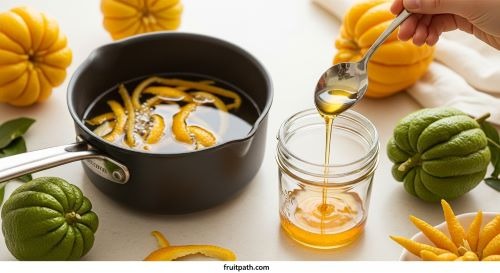
6. Prepare Buddha’s Hand Limoncello or Infused Alcohol
Instead of lemon, use Buddha’s Hand peel to make:
- Limoncello
- Citrus vodka
- Citrus gin
The result is a fragrant, smooth drink with a unique aroma.
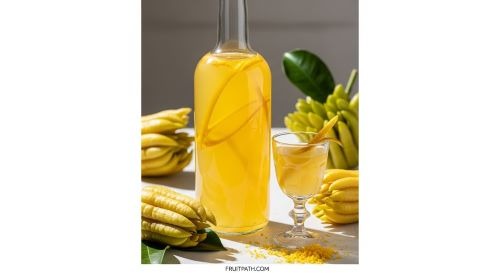
7. Use Buddha’s Hand in Salads:
Finely chopped zest can be added to:
- Fruit salads.
- Green salads.
- Grain bowls.
It gives a fresh citrus note without overpowering other flavors.

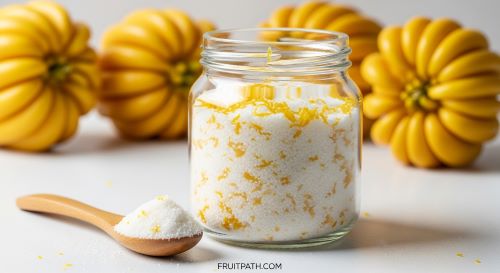
8. Infuse Sugar or Salt with Buddha’s Hand:
Mix zest with:
- White sugar for baking.
- Sea salt for cooking.
Store it in a jar and use it later. This is an easy way to preserve the aroma.
Non-Culinary Uses of Buddha’s Hand:
Buddha’s Hand is not just for food. It has many non-edible uses too.
9. Natural Air Freshener:
Place a whole Buddha’s Hand in a room.
Its strong citrus scent naturally freshens the air. No chemicals needed.
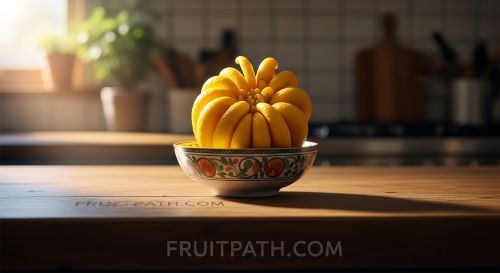
10. Aromatherapy and Stress Relief:
The citrus aroma helps:
- Improve mood.
- Reduce stress.
- Refresh the mind.
That’s why Buddha’s Hand is often used in aromatherapy.
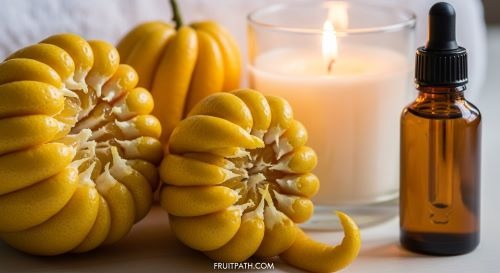
11. Closet and Drawer Fragrance:
Keep the fruit in:
- Closets.
- Drawers.
- Storage boxes.
It keeps clothes smelling fresh.

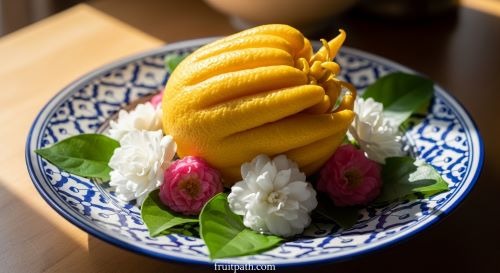
12. Decorative and Religious Use:
In many Asian cultures, Buddha’s Hand symbolizes:
- Happiness.
- Longevity.
- Good fortune.
It is often used for decoration or placed in homes and temples.
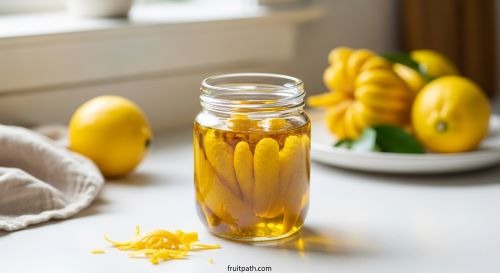
13. Make Homemade Citrus Oil:
Soak the peel in oil to create:
- Fragrant household oil.
- Natural scent oil.
This oil can be used for cleaning or fragrance purposes.
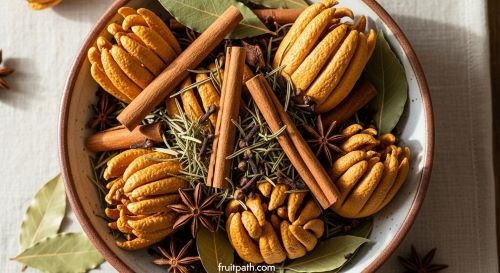
14. DIY Potpourri:
Dry the peel and mix it with:
- Cinnamon.
- Cloves.
- Herbs.
This makes a natural potpourri for your home.
15. Natural Citrus Vinegar Cleaner:
Soak the peel in vinegar to make a natural cleaner.
It works well for:
- Kitchen surfaces.
- Glass cleaning.
- Removing odors.

How to Eat Buddha’s Hand Citrus Fruit Safely:
Here are simple tips for using it correctly:
- Wash the fruit thoroughly.
- Use only small amounts of zest.
- Avoid using too much pith at once.
- Best used fresh for maximum fragrance.
Buddha’s Hand is not meant to be eaten raw like apples or oranges.
How to Store Buddha’s Hand Citrus Fruit:
Proper storage helps keep the fruit fresh longer.
Storage Options:
- Room temperature: Up to 1 week.
- Refrigerator: 2–3 weeks.
- Frozen zest: Several months.
Wrap it loosely to prevent moisture buildup.

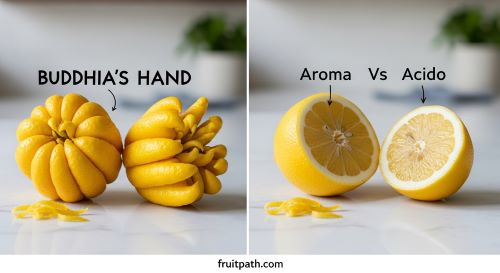
Why Use Buddha’s Hand Instead of Lemon?
Many people ask this question.
Buddha’s Hand:
- Has a stronger aroma.
- Is not sour.
- Adds fragrance without acidity.
- Works best for zest-based recipes.
That’s why it is preferred in desserts and baking.
Nutritional and Health Aspects of Buddha’s Hand:
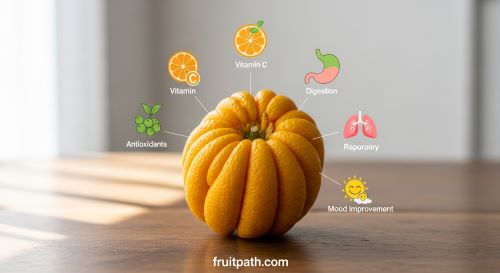
Buddha’s Hand contains:
- Vitamin C.
- Antioxidants.
- Natural plant compounds.
Traditionally, it has been used to:
- Aid digestion.
- Relieve coughs.
- Improve mood.
Its scent alone has calming effects.
Frequently Asked Questions (FAQs)
Is Buddha’s Hand citrus edible?
Yes, it is edible. The zest and pith are used in cooking and flavoring.
What is Buddha’s Hand fruit used for?
It is used for cooking, baking, drinks, fragrance, decoration, and traditional remedies.
What is inside Buddha’s Hand fruit?
Mostly white pith with little to no pulp or juice.
Is Buddha’s Hand the same as citron?
It is a type of citron, but with a unique hand-like shape and stronger aroma.
Final Thoughts:
Now you know 15 creative uses of Buddha’s Hand citrus fruit and exactly how to use it the right way. This exotic fruit may look unusual, but it offers endless possibilities in the kitchen and beyond.
From cooking and baking to fragrance and decoration, Buddha’s Hand is truly a special citrus fruit worth exploring.
If you want to go deeper, don’t forget to check your main guide on Buddha Hand Citrus Fruit Recipes and start experimenting with this unique fruit.