

- Introduction:
- What Is Baobab Fruit?
- Baobab Fruit Taste Comparison Fresh vs Powder:
- Baobab Fruit Nutrition Facts:
- Health Benefits of Baobab Fruit:
- Traditional & Cultural Uses of Baobab Fruit:
- Modern Uses of Baobab Fruit Today:
- How to Use Baobab Fruit at Home (Easy Ways):
- Possible Side Effects & Safety Tips of Baobab Fruit:
- How to Choose High-Quality Baobab Products:
- Baobab Fruit vs Other Superfruits:
- Frequently Asked Questions About Baobab?
Introduction:
Baobab fruit is sometimes called the “superfruit of Africa.” But this nickname doesn’t capture how popular it is in health, nutrition, skincare, and functional foods. Its tangy flavor, rich nutrients, and many uses make it worth learning about.
You might have seen articles about baobab fruit that just mention fiber, vitamin C, and antioxidants, and then stop there.
This article will take you further.
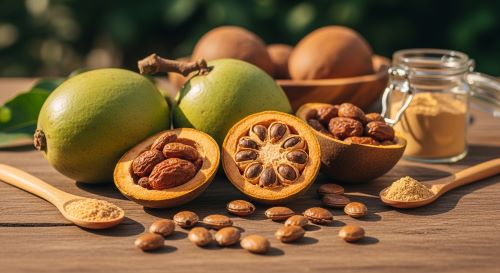
In this guide, you’ll find all the key facts about baobab fruit explained simply and clearly, such as:
- What baobab fruit really tastes like
- Its nutritional value and natural plant compounds
- Health benefits supported by research
- How people have used baobab traditionally and today
- Possible side effects and safety tips
- How to choose good-quality baobab products
After reading, you might want to ask your friends or family members that
“Do You Know The Baobab Fruit: Taste, Benefits, Uses & Side Effects?”
Chances are, they will be curious to hear what you found out.
So let’s get started.
Join us as we explore this unique and powerful fruit.
What Is Baobab Fruit?
Baobab fruit grows on the baobab tree (Adansonia species), a huge and long-lived tree found in Africa, Madagascar, and parts of Australia. Some baobab trees are more than 1,000 years old, making them among the oldest fruit trees in the world.
The baobab fruit itself is big, oval, and has a tough, woody shell. Inside, there is a dry, chalky pulp around dark seeds. Notably, unlike most fruits, baobab pulp dries naturally on the tree, helping retain its nutrients without requiring extra processing.
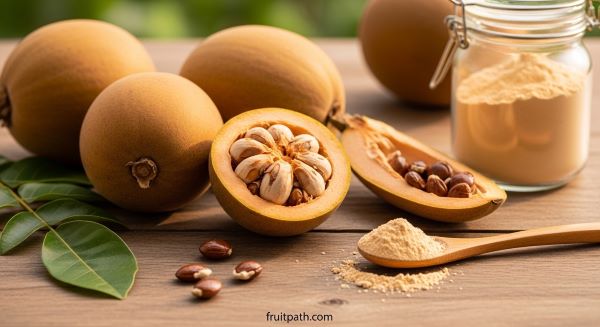
Common Names for Baobab Fruit:
- Monkey bread.
- Cream of tartar fruit.
- African baobab.
- Baobab powder (processed form).
Due to this natural drying process, baobab fruit powder has become popular as a raw and minimally processed superfood, valued for retaining most of its natural nutrients.
Baobab Fruit Taste Comparison Fresh vs Powder:
What Does Baobab Fruit Taste Like?
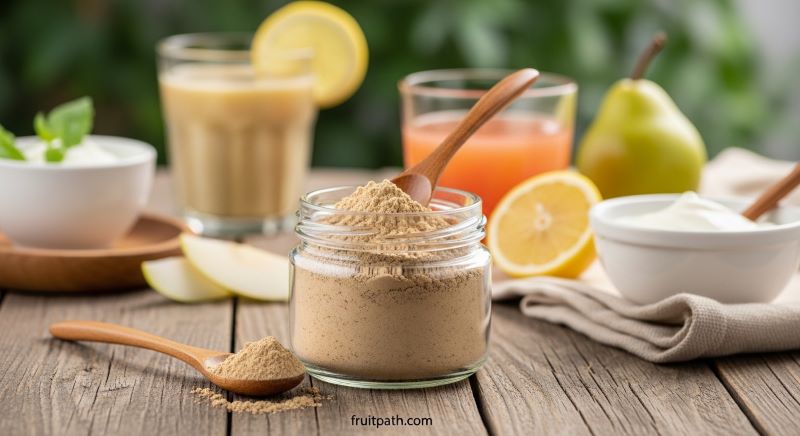
Baobab fruit has a tangy, citrus flavor with a hint of sweetness. People often say it tastes a bit like yogurt with a touch of caramel.
- Lemon.
- Pear.
- Yogurt‑like sourness.
- Light caramel undertones.
The flavor is balanced and not too sweet, making it good for both sweet and savory dishes.
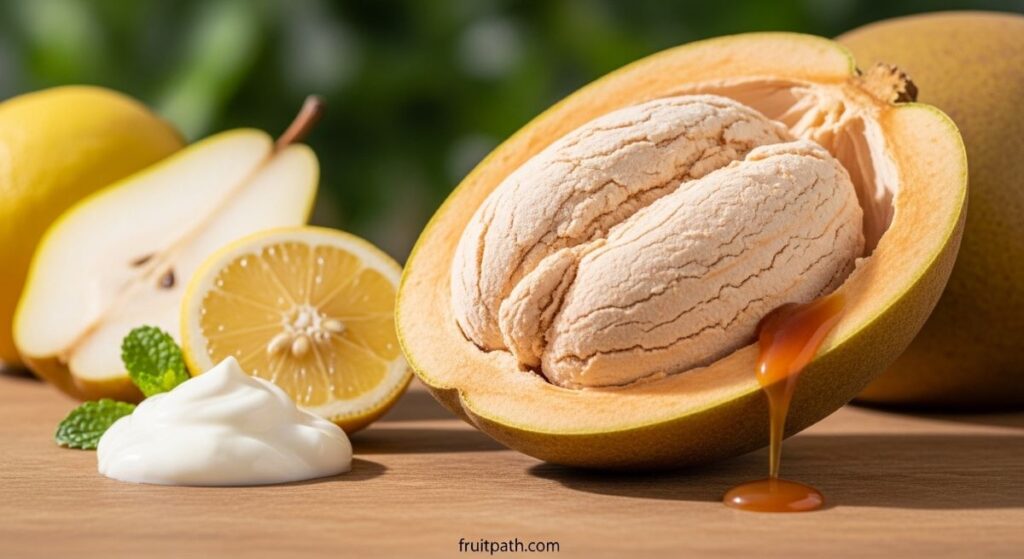
Fresh Baobab Fruit Taste:
Fresh baobab pulp has these qualities:
- A dry, crumbly texture.
- A sharper sour note.
- A clean, refreshing finish.
You can mix fresh baobab with water or milk, and it dissolves easily to make a light, tart drink.
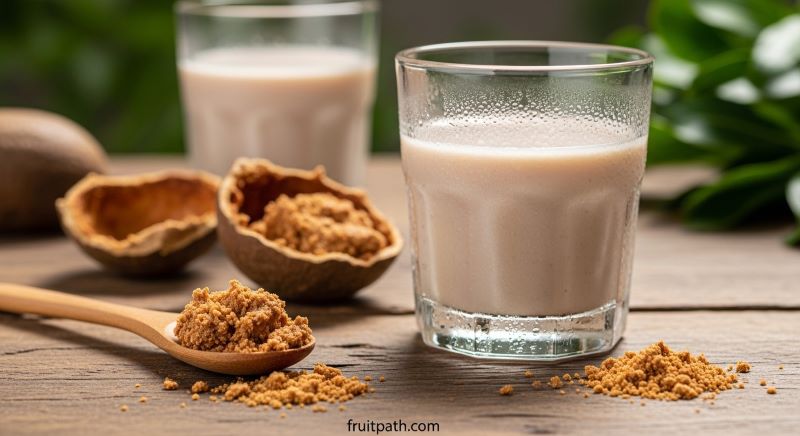
Baobab Powder Taste:
Baobab powder tastes a bit milder and more balanced than the fresh fruit:
- Less sharp acidity.
- Subtle sweetness.
- It feels smooth when you mix it into drinks or food.
Thanks to its balanced taste, people often add baobab powder to smoothies, juices, yogurt, or baked goods.
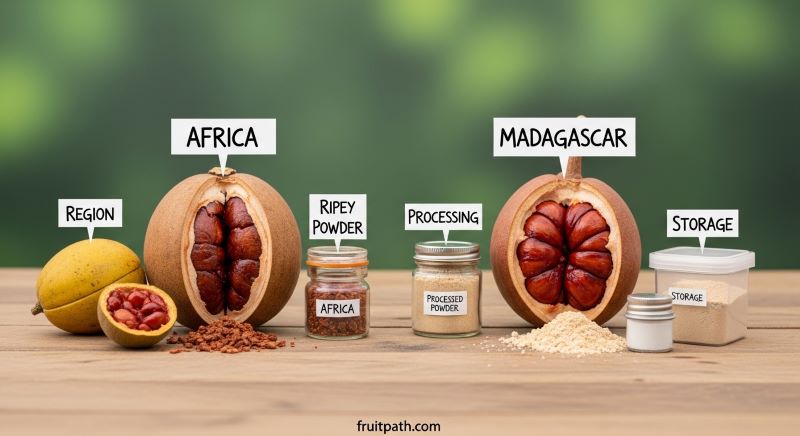
A few things can affect how baobab fruit tastes:
- Region where the fruit grows.
- Ripeness at harvest.
- Processing method.
- Storage conditions.
For example, baobab from Africa is usually tangier, while the kind from Madagascar tends to be a bit sweeter.
Baobab Fruit Nutrition Facts:
Baobab fruit contains essential vitamins, minerals, and fiber that aid overall health.
Baobab may help strengthen the immune system, support bone health, and promote healthy digestion. Please examine the nutrition facts below to learn more about the health benefits of baobab fruit.
| Nutrient (per 100g baobab powder) | Amount | Health Role |
| Energy | ~250 kcal | Natural energy source |
| Vitamin C | 200–300 mg | Immunity, collagen, antioxidant |
| Dietary Fiber | 40–50 g | Digestion, gut health, weight control |
| Calcium | 250–300 mg | Bone and teeth health |
| Potassium | 1,200–1,500 mg | Heart & muscle function |
| Magnesium | 90–100 mg | Nerve & muscle support |
| Iron | 7–9 mg | Oxygen transport, energy |
| Polyphenols | High | Antioxidant protection |
Unique Bio-active Compounds:
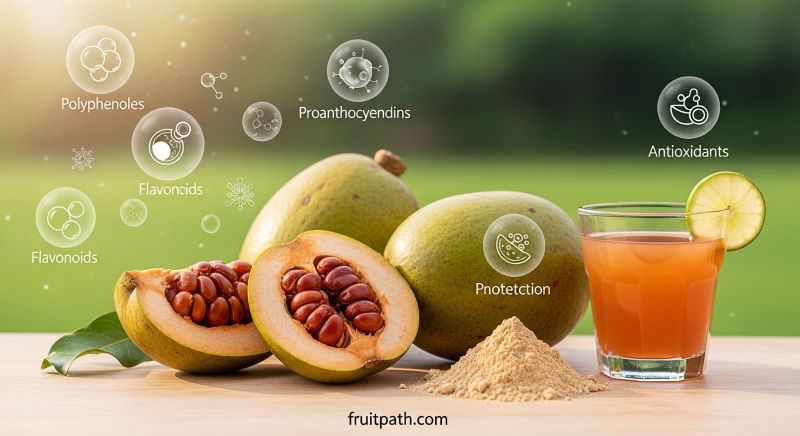
One of the best things about baobab is its unique bioactive compounds. These natural chemicals in the fruit do more than provide vitamins and minerals. They also help your body fight damage and stay healthy.
Baobab fruit is packed with:
- Polyphenols protect your cells from oxidative damage, which may help lower the risk of certain diseases, such as heart conditions or diabetes.
- Flavonoids support heart health, brain function, and immune function by modulating inflammation and cell signaling.
- Proanthocyanidins help maintain the flexibility of blood vessels and reduce inflammation, which can support cardiovascular health.
- Other antioxidant plant compounds neutralize free radicals—unstable molecules that can damage your cells—helping protect your body from cellular harm.
In summary, these compounds support your body by fighting harmful molecules, reducing stress on your cells, and helping you stay strong and energetic.
Health Benefits of Baobab Fruit:
Baobab Powder Benefits (Overview):
Most people eat baobab as a powder. Here are some of its main benefits:
- Improved digestion.
- Strong immune support.
- Better blood sugar control.
- Skin and hair nourishment.
- Weight management support.
1. Supports Digestive Health:
Baobab powder is high in soluble fiber, which helps your digestion. It can make bowel movements more regular, support healthy gut bacteria, and help prevent constipation.
- Improve bowel regularity.
- Feed beneficial gut bacteria.
- Reduce constipation naturally.
The fiber in baobab powder can be especially helpful if you have slow digestion or often feel bloated.
Its high fiber content keeps your gut moving and supports gut health by promoting regular bowel movements, feeding beneficial bacteria, and reducing constipation.
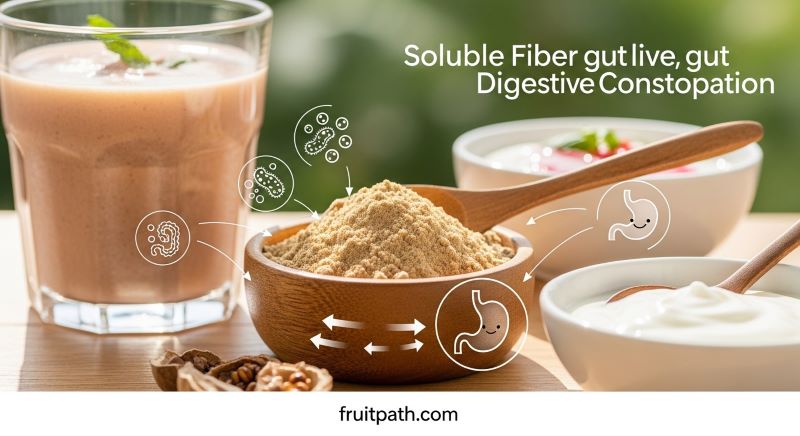
- Improve gut movement
- Feed beneficial gut bacteria.
- Reduce constipation
- Enhance overall gut health.
The soluble fiber in baobab forms a gel in your gut. This helps your body digest food more easily.
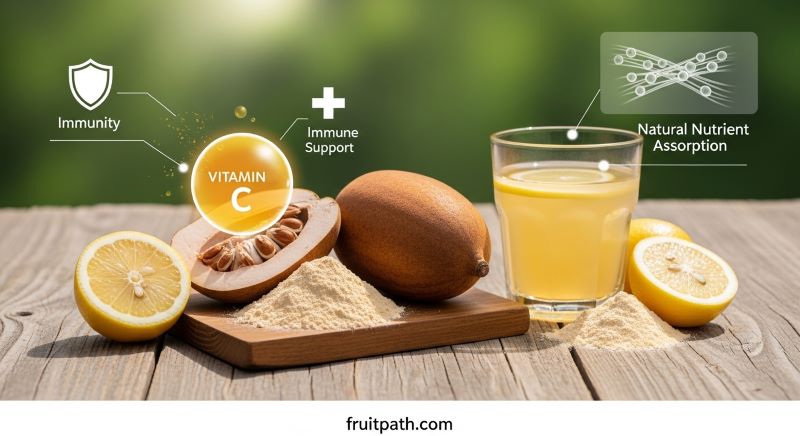
2. Boosts Immune System:
Baobab fruit is full of vitamin C, which can help you:
- Strengthen immune defences.
- Improve wound healing.
- Support collagen production.
Baobab gives you natural vitamin C and other plant nutrients. Your body may absorb this better than synthetic vitamin C.
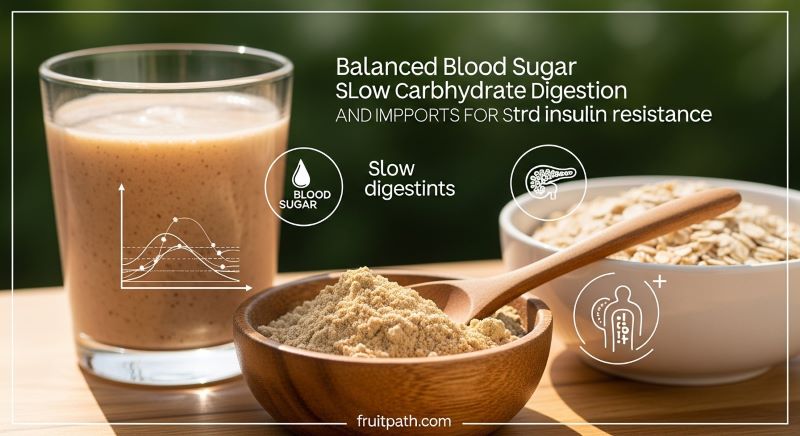
3. Helps Balance Blood Sugar Levels:
- Slow carbohydrate digestion.
- Minimize blood sugar spikes.
- Improve insulin response.
This may help people with diabetes or insulin resistance when used in moderation.
4. Powerful Antioxidant: Baobab fruit is packed with antioxidants, which can help:
- Reduce inflammation.
- Protect cells from damage.
- Support your long-term wellness. Antioxidants help keep you healthy over time.
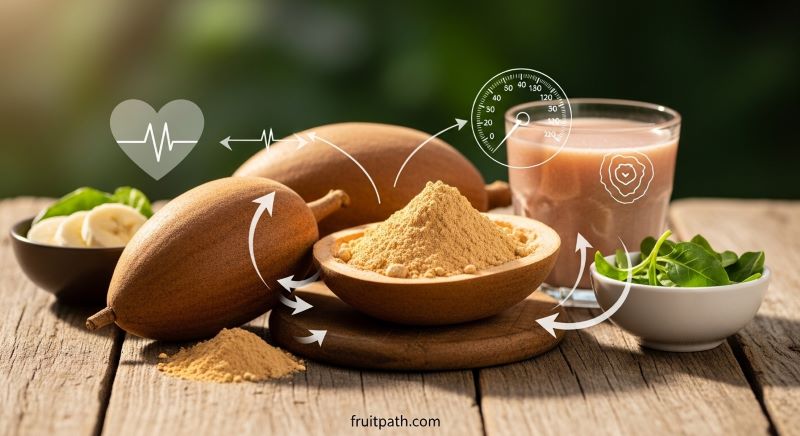
5. Supports Heart Health:
Baobab has potassium, magnesium, and fiber, so it may:
- Help regulate blood pressure.
- Reduce LDL cholesterol.
- Support healthy circulation.
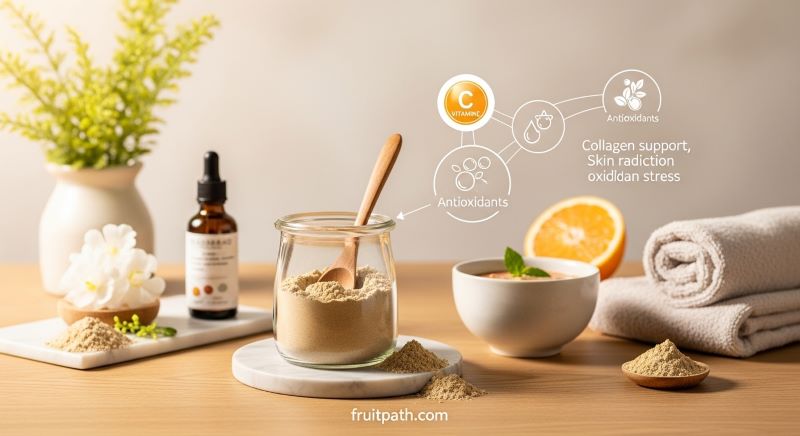
6. Benefits of Baobab Powder for Skin:
Baobab powder is good for your skin mainly because of its vitamin C and antioxidants. These can:
- Support collagen production.
- Diminish dullness and fine lines.
- Protect skin from oxidative stress.
You can use baobab as a supplement or add it to your skincare routine.
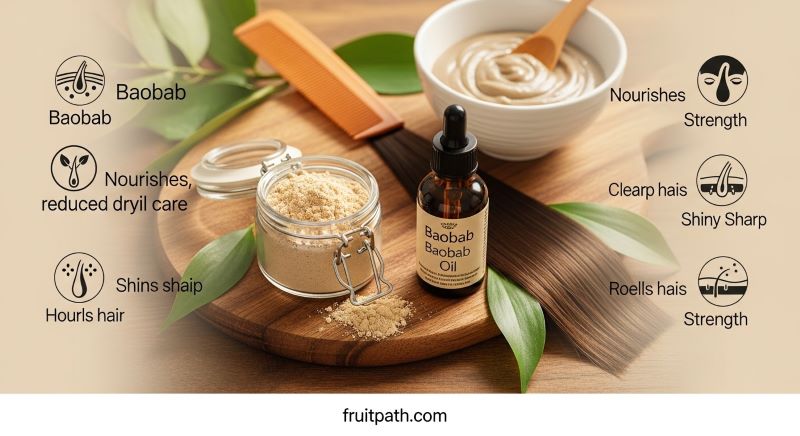
Baobab Powder Benefits for Hair:
Baobab powder can also help your hair by supporting:
- Scalp health.
- Hair strength and shine.
- Reduced dryness and breakage.
Baobab oil, made from the seeds, is often added to hair masks and conditioners.
Baobab is popular in skincare because it contains:
- Vitamin C for collagen..
- Antioxidants for anti‑aging.
- Many skincare products include baobab oil and powder.
7. How to Use Baobab Powder for Weight Loss:
If you use baobab powder as part of a balanced diet, its high fiber may help you manage your weight. It can help you feel full and reduce cravings, making it easier to avoid overeating.
- Slows digestion and reduces cravings.
- Helps stabilise blood sugar.
How to use baobab powder:
- Add 1 teaspoon to smoothies or water before meals.
- Combine with protein‑rich foods.
- Avoid excessive amounts.
Think of baobab powder as a helpful addition to healthy eating. It does not cause weight loss on its own, but with a balanced diet and regular exercise, it may help you manage your weight.
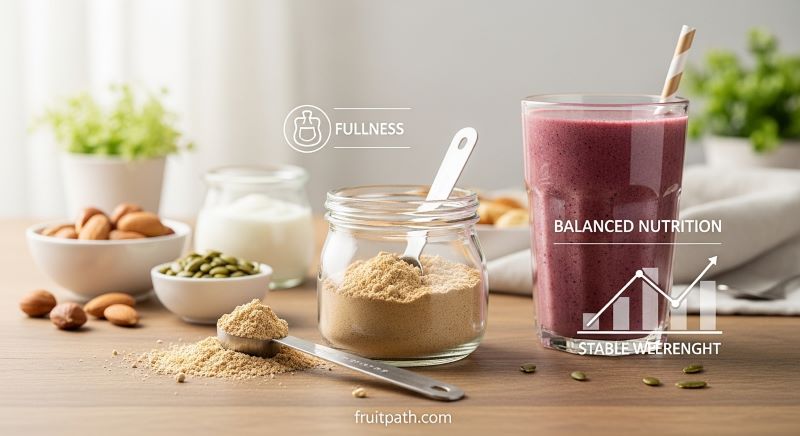
High fiber content:
- Promotes fullness.
- Reduces overeating.
- Supports healthy metabolism.
Scientific Research & Evidence:
Researchers have looked into baobab fruit and discovered some interesting facts. Here’s a simple summary of what they found:
- Strong antioxidants:
- Baobab fruit has polyphenols and flavonoids.
- These compounds help protect your cells from damage.
- Studies show that baobab has higher antioxidant activity than many common fruits. (MDPI, 2022)
- Helps manage blood sugar:
- A few small studies tested baobab extract with meals and found that it can slow down blood sugar spikes after eating.
- This may help keep your energy levels steady. (PubMed, 2013)
- Rich in bioavailable minerals:
- Baobab provides calcium, potassium, magnesium, and iron.
- “Bio-available” means your body can absorb and use these minerals. (MDPI, 2020)
- Other health benefits:
- Lab studies suggest baobab may help reduce inflammation and support heart and gut health.
- Most studies so far have been small or conducted in labs, so more research is needed to understand how baobab helps people. (Heliyon, 2024) However, the results so far look promising.
Most studies are small, but the results look promising. Larger trials are needed.
Traditional & Cultural Uses of Baobab Fruit:
For centuries, baobab fruit has played an important role in African life. It is more than just food; it is part of tradition and daily health. Since almost every part of the baobab tree is useful, people call it the ‘Tree of Life.’
How Baobab Fruit Is Used Traditionally:
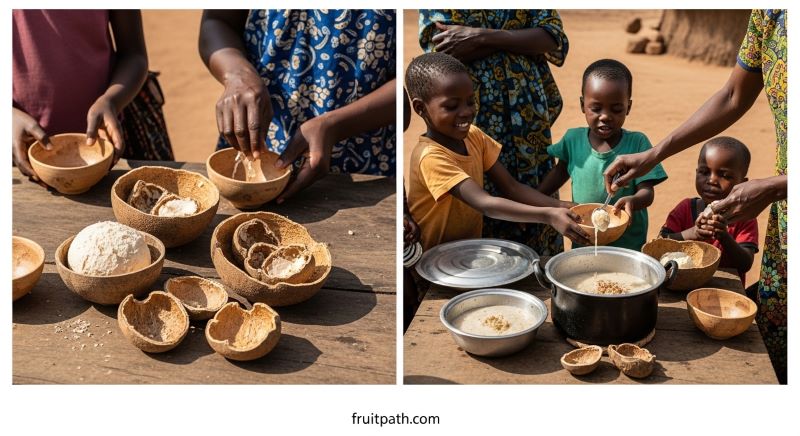
In many African communities, baobab fruit pulp dries naturally inside its shell, allowing it to be stored and used year-round. People use it in simple and healthy ways, such as:
- People mix baobab pulp with water or milk to make a cool, tangy drink. This drink helps fight tiredness and keeps the body hydrated, especially during hot weather.
- People add the fruit to porridges, soups, and sauces to boost flavor and nutrition. This makes meals more filling and healthy.
- People give baobab to children and elders to help with strength, digestion, and immunity.
- In folk medicine, people use baobab fruit to help with digestion, lower fever, treat diarrhea, and ease general weakness.
Why Baobab Is Called the “Tree of Life”
People call baobab the ‘Tree of Life’ because it provides food, medicine, and nutrition when resources are scarce. The fruit is rich in fiber, vitamin C, minerals, and antioxidants that help people stay healthy.
These traditional uses continue today, and modern science is now showing what local communities have known for generations: baobab fruit is truly special.

Modern Uses of Baobab Fruit Today:
While baobab fruit has been used for centuries in African cultures, today it has found its place in modern kitchens and health products around the world. Thanks to its long shelf life and rich nutritional profile, baobab is now enjoyed in many convenient forms.
How Baobab Fruit Is Used Today:
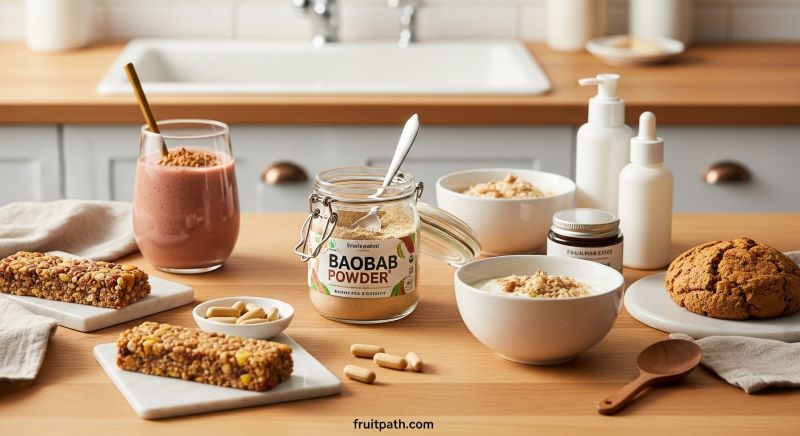
Today, baobab fruit is usually sold as a powder, which makes it easy to add to everyday foods. Here are some common ways people use it:
- Smoothies and juices: People add baobab powder to smoothies, juices, and shakes to increase fiber, vitamin C, and natural energy.
- Health supplements: Many use baobab capsules or powder as natural supplements to support digestion, immunity, and overall wellness.
- Energy drinks and snacks: Baobab is found in energy bars, sports drinks, and healthy snacks, as it provides slow-release energy without added sugar.
- Baking and cooking: You can mix baobab into yogurt, oatmeal, pancakes, or baked goods to add nutrition without changing the flavor much.
- Natural skincare products: Baobab fruit extracts and oil are added to creams and lotions to help keep skin soft, hydrated, and healthy.
Traditional Wisdom Meets Modern Science:
Baobab stands out today because modern science supports what traditional knowledge has long said. Studies show baobab is rich in fiber, antioxidants, minerals, and bioactive compounds, which helps explain its long-standing reputation.
Whether in a traditional village drink or a modern smoothie bowl, baobab continues to live up to its name as the “Tree of Life.”
How to Use Baobab Fruit at Home (Easy Ways):
It’s simple to use baobab fruit at home, even if you haven’t tried it before. Most people use baobab powder, made from naturally dried baobab fruit pulp. The powder has a light, tangy taste, a bit like lemon mixed with pear.
Here are some easy and safe ways to enjoy baobab every day:
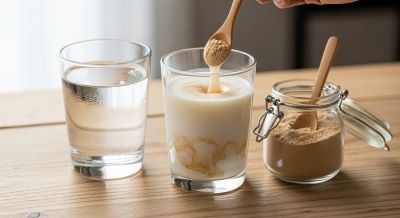
1. Add it to water or milk.
Mix one teaspoon of baobab powder into a glass of water or milk.
This makes a refreshing drink that many people find both hydrating and energizing.
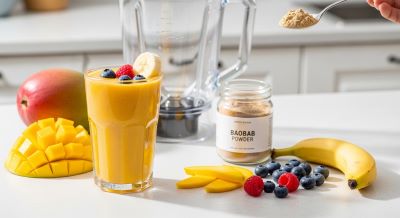
2. Use it in smoothies:
Add baobab powder to fruit smoothies with banana, mango, or berries.
It can boost fiber and vitamin C without changing the taste much.
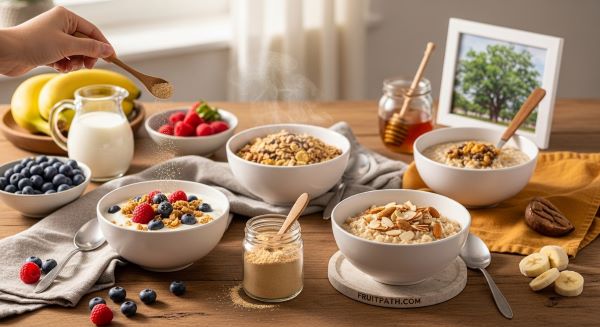
3. Sprinkle on breakfast foods:
You can sprinkle baobab powder on foods like:
- Yogurt
- Oatmeal
- Cereal
- Porridge
This is an easy way to make your breakfast healthier and more filling by adding extra fiber and protein.
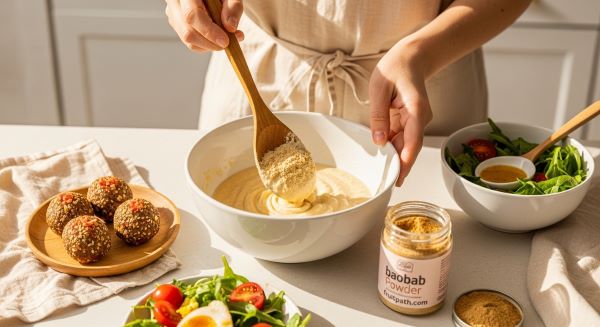
4. Mix into homemade foods:
You can also mix baobab into:
- Pancake or muffin batter.
- Energy balls.
- Salad dressings.
This can add extra nutrients while keeping your food natural and simple.
5. Best daily amount:
For most people, one to two teaspoons per day is enough.
Start with a small amount and see how your body feels, especially if you’re new to high-fiber foods.
Simple tip for beginners
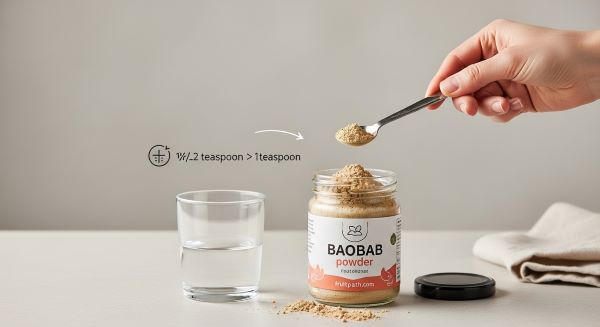
If you are trying baobab for the first time, start with half a teaspoon per day and slowly increase. This helps your stomach adjust and prevents discomfort.
Possible Side Effects & Safety Tips of Baobab Fruit:
Baobab fruit is safe for most people when eaten in normal amounts. People in many African cultures have enjoyed it as food for centuries. Still, as with any natural food, it’s important to use it properly.
Possible Side Effects:
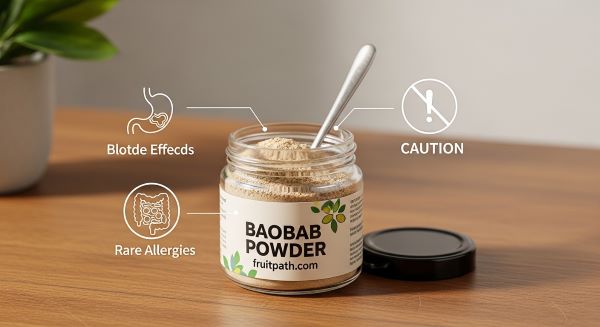
Most people have no issues, but some mild side effects can happen, especially if you eat too much at once:
- Stomach discomfort or bloating:
- Baobab is high in fiber. Eating too much too quickly can cause gas or bloating, especially if you are new to it.
- Digestive changes:
- Some people may get loose stools if they start with large amounts. This usually stops once your body gets used to it.
- Allergic reactions (rare):
- Allergies to baobab are rare, but if you notice itching, swelling, or discomfort, stop using it and talk to your doctor.
Who Should Be Careful:
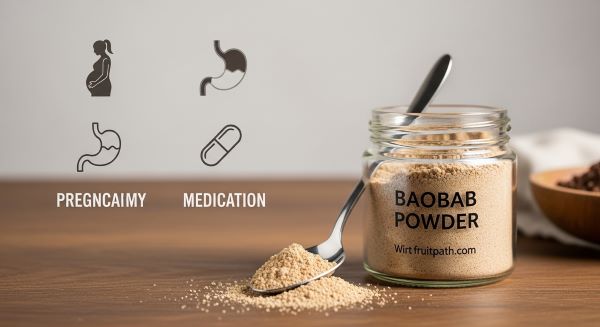
Some people should be extra careful or check with a healthcare professional before using baobab often:
- Pregnant or breastfeeding women.
- People with sensitive stomachs.
- People taking medication for blood sugar or digestion.
Safety Tips for Using Baobab:
To use baobab safely and get the most benefit, follow these simple tips:
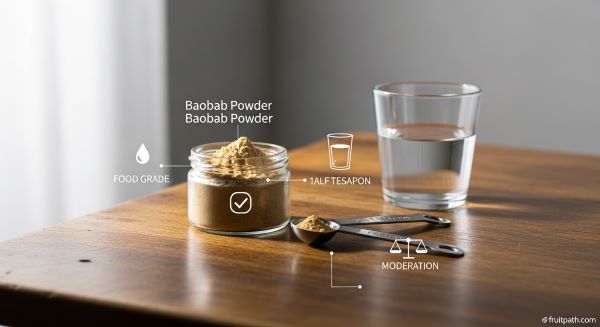
- Start with a small amount (½ teaspoon per day)
- Drink plenty of water because baobab is high in fiber.
- Do not use more than 1 to 2 teaspoons a day unless your doctor says it’s okay.
- Choose pure, food-grade baobab powder, free of added sugar or fillers.
In Simple Words:
Baobab is a natural, healthy fruit, but more of it isn’t always better. When you use the right amount, it can help with digestion, energy, and immunity without causing problems.
How to Choose High-Quality Baobab Products:
Baobab products can vary a lot. To enjoy the real health benefits, make sure you pick a high-quality option. Baobab is known for its rich vitamin C content, which boosts the immune system, and its high fiber content, which promotes digestive health. Lower-quality products might lose nutrients or have extra additives you don’t want.
Here are some tips to help you choose the best baobab products with confidence:
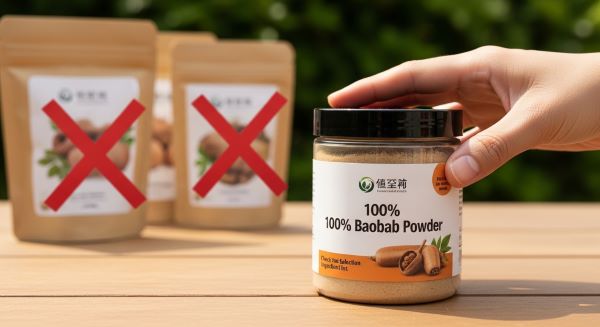
1. Check the Ingredient List:
Start by checking the label.
A good baobab product should have just one ingredient listed:
- 100% Baobab Fruit Powder
Stay away from products that include added sugar, flavors, preservatives, or fillers. Natural blends with other superfoods may be acceptable, provided they do not compromise the purity and nutritional value of baobab. However, if you are seeking the most authentic experience, choose pure baobab.
2. Choose Organic or Wild-Harvested:
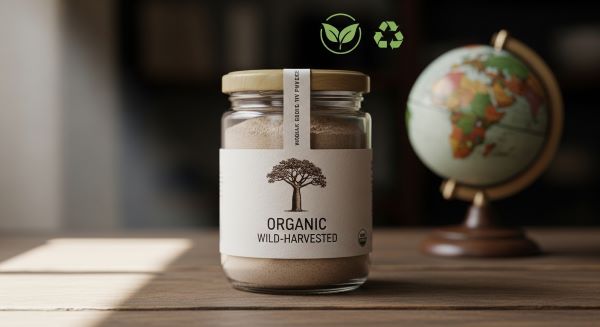
The highest quality baobab often comes from wild-harvested trees in Africa.
If you can, look for products labeled:
- Organic.
- Wild-harvested.
- Sustainably sourced.
These choices are more like how baobab has been used for generations.
3. Look at the Color and Texture:
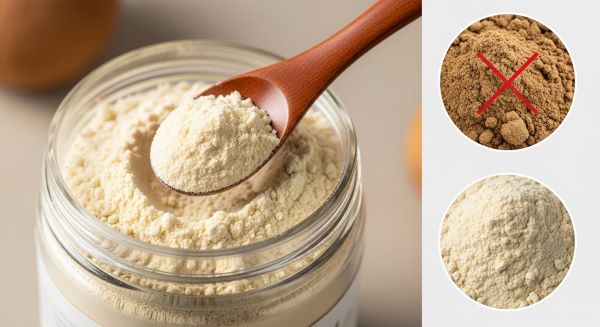
A good baobab powder should look like this:
- Light cream or pale beige.
- Fine and slightly grainy.
- Free from clumps or moisture.
If the powder is very dark or sticky, it might be old or poorly stored.
4. Smell and Taste Matter:
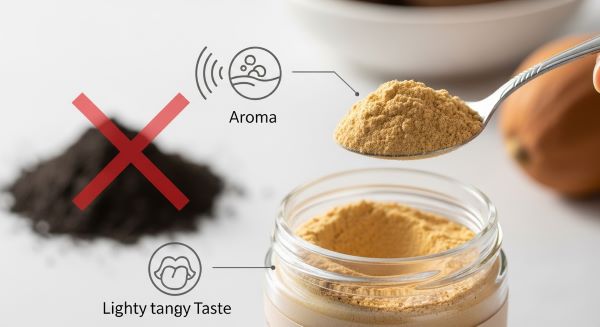
High-quality baobab should smell mild, fresh, and a bit like citrus.
It should taste lightly tangy, not bitter or sour.
If it smells off or tastes odd, it’s better not to use it.
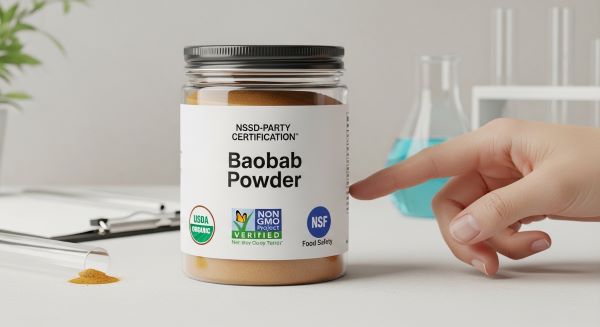
5. Check Certifications and Testing:
Reliable brands usually offer food-grade safety certifications, such as NSF or ISO Food Safety Management Systems.
- USDA Organic or Non-GMO Project Verified for quality assurance, with third-party lab testing.
These details show the product is safe, clean, and genuine.
6. Packaging Makes a Difference:
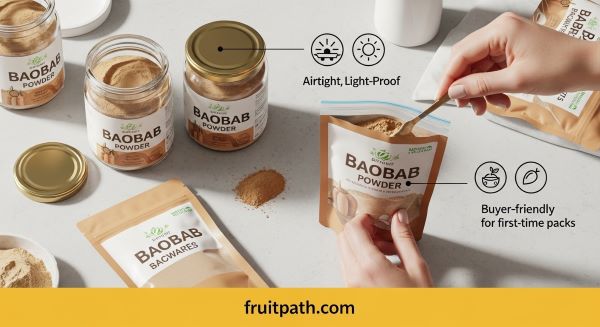
Baobab powder should come in:
- Airtight containers.
- Resealable pouches.
- Light-proof packaging.
This helps keep nutrients in and keeps the powder fresher longer. For optimal storage, keep the baobab powder in a cool, dry place and ensure you reseal the packaging after each use to maintain its quality and prevent spoilage.
Simple Tip for Buyers:
If you are new to baobab, try a small pack first. That way, you can see if you like the taste, check the quality, and see how it works for you before getting more.
In Simple Words:
Good baobab is pure, natural, and clean. Choosing the right one means you’ll enjoy better taste, more nutrition, and the best results. For a practical starting point, consider using 1-2 teaspoons of baobab powder daily. This serving size allows you to reap its health benefits effectively.
Baobab Fruit vs Other Superfruits:
A lot of fruits are called superfruits, and each has its own strengths. Some have lots of vitamin C, while others are packed with antioxidants or fiber. Here’s how baobab fruit stacks up against other favorites like acai and camu camu.
| Fruit | Vitamin C | Fiber | Taste |
| Baobab | Very High | Very High | Tangy, slightly citrus |
| Acai | Moderate | Moderate | Earthy, mild |
| Camu Camu | Extremely High | Low | Very sour |
What Makes Baobab Different?
Baobab stands out for its balanced nutrient profile. Unlike camu camu, which is very high in vitamin C but low in fiber, baobab provides both vitamin C and fiber in high amounts. This makes it better for digestion, gut health, and steady energy.
Compared to acai, baobab has more fiber and vitamin C and a lighter, tangy taste that mixes well with drinks and foods.
In Simple Words:
Baobab isn’t just healthy; it’s also simple to use and tastes good. Its balanced nutrition and mild, tangy flavor make it a superfruit you can easily add to your daily meals.
Frequently Asked Questions About Baobab?
What is special about baobab fruit?
Baobab fruit stands out because it dries naturally on the tree and does not need preservatives. It is packed with vitamin C, fiber, antioxidants, calcium, and potassium. Thanks to its high nutritional value and long shelf life, people often call baobab the “Tree of Life fruit” and consider it a top natural superfood.
Can baobab trees grow in the USA?
Baobab trees can grow in the USA, but only in warm, dry areas such as southern Florida, Texas, Arizona, and California. They grow slowly and rarely produce fruit outside of Africa’s tropical climate.
What does baobab help with in the body?
Baobab offers several health benefits:
- Strengthens the immune system.
- Improves digestion and gut health.
- Supports healthy blood sugar levels.
- Boosts energy naturally.
- Helps maintain strong bones and muscles.
- Reduces inflammation.
Is baobab fruit expensive?
Yes, baobab fruit usually costs more than regular fruits. It is wild-harvested in Africa, then processed and shipped overseas. Baobab powder is also more expensive because demand is rising and supply is limited.
Can I chew baobab seeds?
Yes, you can chew baobab seeds, but they are very hard. Most people like them roasted, ground into powder, or used for oil. It is not a good idea to eat a lot of raw seeds.
Why Is Baobab Fruit Gaining Popularity?
Baobab fruit is getting more popular around the world because it is:
- 100% natural and organic.
- Vegan and gluten-free.
- Easy to store.
- Backed by traditional African medicine.