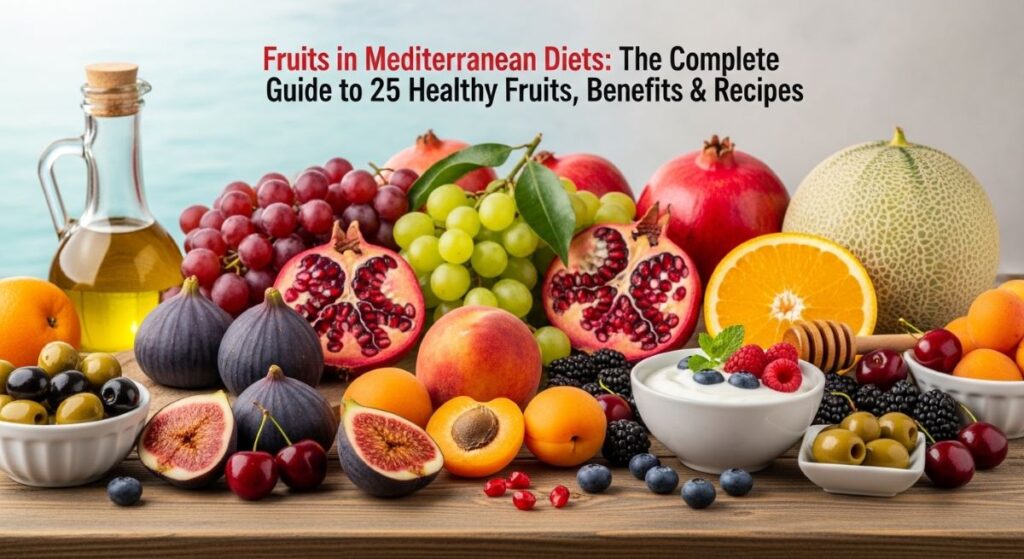
The Mediterranean diet is recognized worldwide as one of the healthiest eating patterns. Rooted in countries bordering the Mediterranean Sea, including Greece, Italy, Spain, Turkey, and parts of North Africa, this diet emphasizes fresh, whole foods with minimal processed ingredients. Among its core components, fruits play a central role.
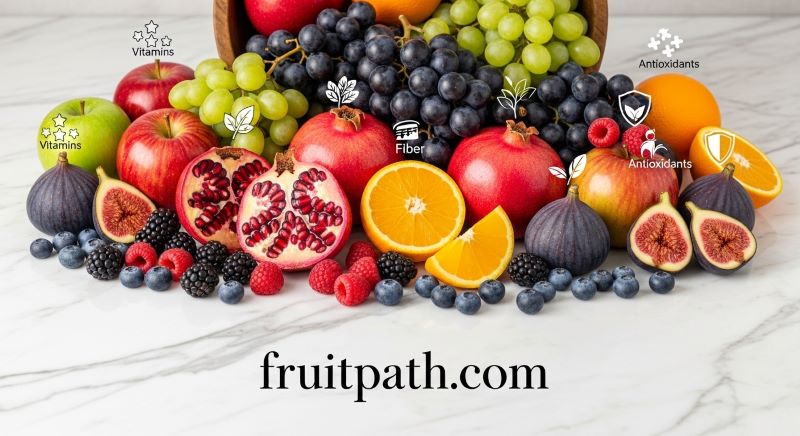
Fruits in Mediterranean diets are not only delicious but also packed with vitamins, minerals, fiber, and antioxidants. They are often eaten fresh, as snacks, desserts, or mixed into meals. Instead of sugary desserts, Mediterranean families enjoy a bowl of fresh figs, grapes, or oranges at the end of a meal.
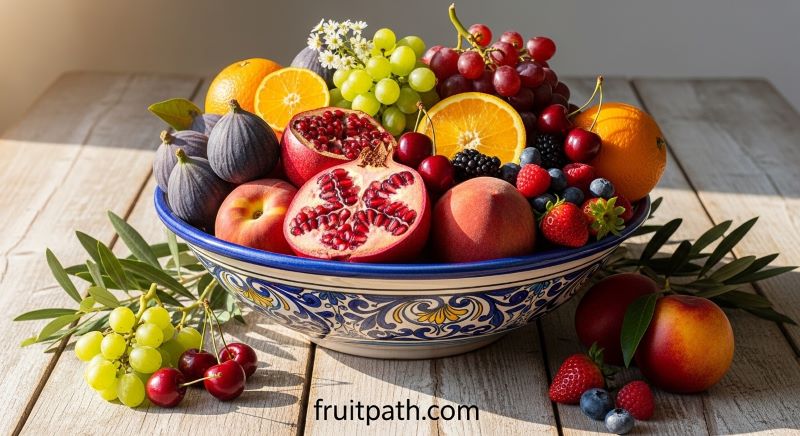
Research has consistently shown that people who follow this diet tend to have lower rates of heart disease, diabetes, obesity, and certain types of cancer. The combination of fruits, vegetables, olive oil, whole grains, and seafood provides a natural boost to overall health and longevity.
In this guide, we’ll explore the 25 best fruits in Mediterranean diets, their health benefits, nutritional information, seasonal availability, cultural uses, and even easy recipes you can try at home. Whether you’re new to the Mediterranean diet or looking to improve your health, this guide has everything you need.
- What Is the Mediterranean Diet?
- Why Fruits Are Important in Mediterranean Diets:
- 25 Best Fruits in Mediterranean Diets:
- Seasonal Fruits in Mediterranean Countries:
- How Mediterranean People Eat Fruits Daily:
- Fresh Fruits vs Dried Fruits:
- Tips for Adding More Fruits:
- Easy Mediterranean Fruit Recipes:
- Frequently Asked Questions:
- Conclusion:
What Is the Mediterranean Diet?
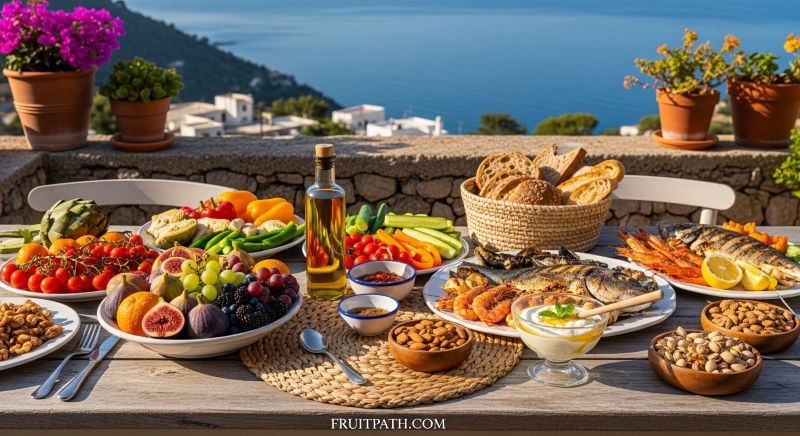
The Mediterranean diet is a traditional eating pattern followed for centuries in Mediterranean countries. It focuses on plant-based foods, healthy fats, and lean proteins while limiting processed foods and red meat.
Key Components in Diet.
- Fresh fruits and vegetables: The foundation of every meal.
- Whole grains: Bread, pasta, rice, barley, and couscous.
- Healthy fats: Olive oil is the main source. Nuts and seeds add extra nutrients.
- Seafood: Fish and seafood are consumed 2–3 times per week.
- Legumes: Beans, lentils, and chickpeas provide plant protein.
- Dairy: Moderate amounts of yogurt and cheese.
- Red meat: Eaten only occasionally.
- Lifestyle: Meals shared with family and friends, plus daily physical activity like walking.
- Whole grains: Bread, pasta, rice, barley, and couscous.
Fruits are a major component of this diet because they are nutrient-dense, naturally sweet, and versatile. Mediterranean people often enjoy seasonal fruits in their natural state, which maximizes both flavor and nutrition.
Why Fruits Are Important in Mediterranean Diets:
Fruits are the heart of Mediterranean nutrition. Here’s why:
1. Packed With Antioxidants:
Many Mediterranean fruits are rich in antioxidants, which help protect your cells from damage caused by free radicals. These compounds may reduce inflammation and lower the risk of chronic diseases like heart disease and cancer.
- Grapes contain resveratrol, which supports heart health.
- Pomegranates are rich in polyphenols, which may lower inflammation.
- Berries contain flavonoids that support brain health.
2. High in Fiber:
Fiber is essential for digestive health and maintaining stable blood sugar levels. Fruits such as apples, pears, and figs are excellent sources of fiber, which helps you feel full and supports healthy cholesterol levels.
3. Natural Sweetness:
Mediterranean diets rely on naturally sweet fruits instead of processed sugar. Dates, figs, grapes, and oranges provide energy and healthily satisfy sweet cravings.
4. Supports Heart Health:
Fruits contribute to heart health by providing:
- Potassium, which regulates blood pressure.
- Antioxidants, which prevent artery damage.
- Fiber, which lowers cholesterol.
5. Hydration:
Some fruits are over 90% water, helping maintain hydration, especially in hot climates. Watermelon, melons, and citrus fruits are excellent examples.
25 Best Fruits in Mediterranean Diets:
Here is a detailed guide to the 25 best fruits, including calories, nutrients, benefits, and ways to eat them.
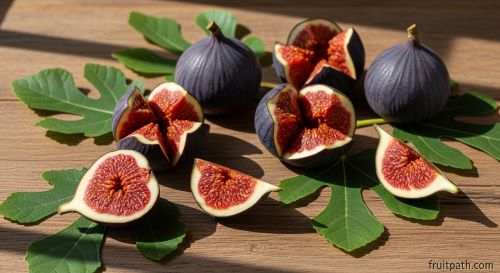
1. Figs:
- Calories: 74 per 100g.
- Key Nutrients: Fiber, potassium, calcium.
- Benefits:
- Supports digestion.
- Maintains heart health.
- Provides natural energy.
- Supports digestion.
- How to Eat: You can eat fresh figs or dried figs, or you can use them in salads and desserts.
- Fun Fact: Figs were a staple in ancient Greece and were often eaten with cheese or honey.
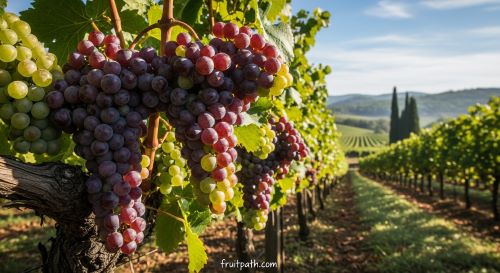
2. Grapes:
- Calories: 69 per 100g.
- Key Nutrients: Vitamin C, antioxidants.
- Benefits:
- Improves circulation.
- Reduces inflammation.
- Supports heart health.
- Improves circulation.
- How to Eat: Fresh, in fruit salads, or freeze for a cool treat.
- Did You Know? Grapes have been cultivated in Mediterranean regions for over 6,000 years.
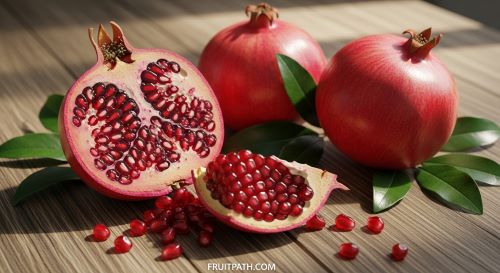
3. Pomegranates:
- Calories: 83 per 100g.
- Key Nutrients: Polyphenols, vitamin C.
- Benefits:
- Boosts immunity.
- Lowers cholesterol.
- Fights inflammation.
- Boosts immunity.
- How to Eat: Sprinkle seeds on salads or yogurt, or eat them alone.
- Cultural Use: In Greece and Turkey, pomegranates symbolize fertility and abundance.
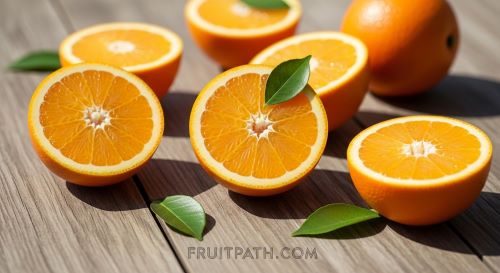
4. Oranges:
- Calories: 47 per 100g.
- Key Nutrients: Vitamin C.
- Benefits:
- Supports immunity.
- Promotes collagen formation for healthy skin.
- Enhances iron absorption.
- Supports immunity.
- How to Eat: Whole, juiced, or in salads.
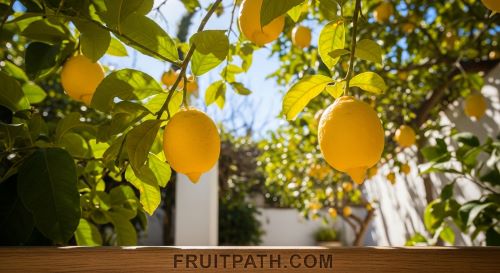
5. Lemons:
- Calories: 29 per 100g.
- Key Nutrients: Vitamin C.
- Benefits:
- Improves digestion.
- Supports detoxification.
- Freshens breath.
- Improves digestion.
- How to Eat: In water, dressings, or on fish.
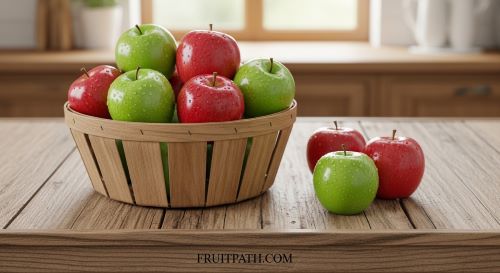
6. Apples:
- Calories: 52 per 100g.
- Key Nutrients: Fiber, vitamin C.
- Benefits:
- Supports gut health.
- Regulates blood sugar.
- Promotes heart health.
- Supports gut health.
- How to Eat: Fresh, in oatmeal, or baked with cinnamon.
- For more about apples, read our blog, How to Freeze Apples (Step-by-Step for Perfect Pies and Smoothies). Also read The Freezer Apple Showdown: Which Varieties Freeze Best for Pie, Sauce, and Baking?
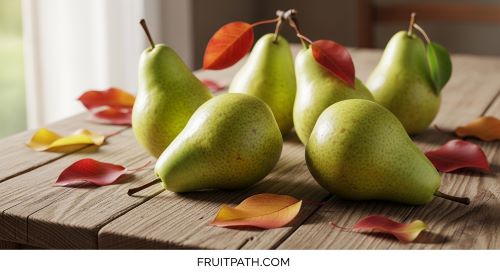
7. Pears:
- Calories: 57 per 100g.
- Key Nutrients: Fiber, pectin.
- Benefits:
- Prevents constipation.
- Lowers cholesterol.
- Gentle on the stomach.
- Prevents constipation.
- How to Eat: Fresh, poached, or in salads.
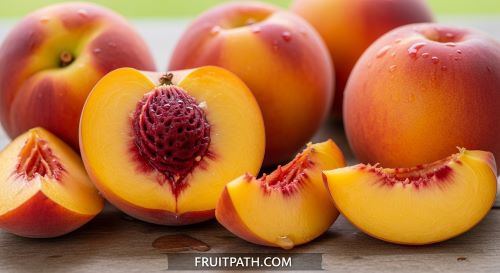
8. Peaches:
- Calories: 39 per 100g.
- Key Nutrients: Vitamin A, fiber.
- Benefits:
- Supports eye health.
- Improves skin glow.
- Hydrates the body.
- Supports eye health.
- How to Eat: Grilled, in smoothies, or fresh.
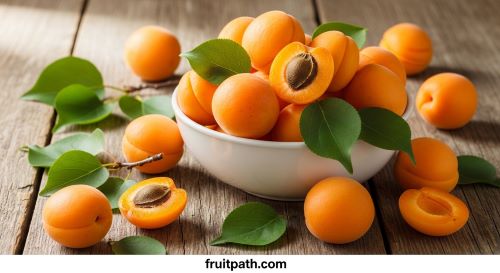
9. Apricots:
- Calories: 48 per 100g
- Key Nutrients: Vitamin A, potassium.
- Benefits:
- Supports vision.
- Strengthens bones.
- Provides energy.
- Supports vision.
- How to Eat: Fresh, dried, or in trail mixes.
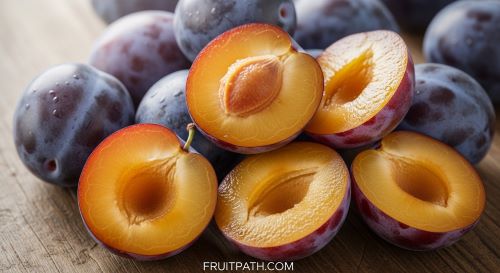
10. Plums:
- Calories: 46 per 100g.
- Key Nutrients: Vitamin K, antioxidants.
- Benefits:
- Supports bone health.
- Regulates blood sugar.
- Natural laxative.
- Supports bone health.
- How to Eat: Fresh, baked, or in jams.
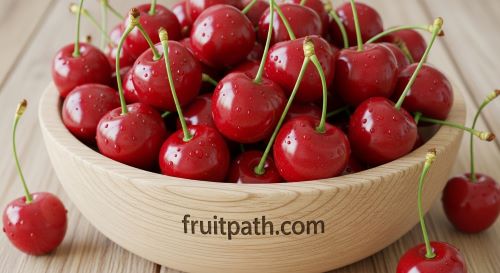
11. Cherries:
- Calories: 50 per 100g.
- Key Nutrients: Melatonin, antioxidants.
- Benefits:
- Promotes better sleep.
- Reduces inflammation.
- Supports heart health.
- Promotes better sleep.
- How to Eat: Fresh, in desserts, or smoothies.
- For exploring cherries for persons with diabetes, read our blog post: Are Cherries a Good Fruit for Diabetics?
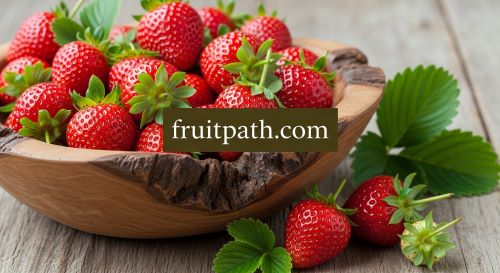
12. Strawberries:
- Calories: 32 per 100g.
- Key Nutrients: Vitamin C, antioxidants.
- Benefits:
- Boosts immunity.
- Supports brain health.
- Natural teeth whitener.
- Boosts immunity.
- How to Eat: Fresh, in yogurt, or as dessert.
- Explore the world of barriers in this article: The Delicious World of Rare Berries:
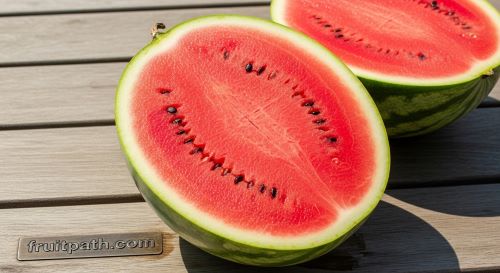
13. Watermelon:
- Calories: 30 per 100g.
- Key Nutrients: Lycopene, vitamin C.
- Benefits:
- Hydrates the body.
- Supports skin health.
- Reduces muscle soreness.
- Hydrates the body.
- How to Eat: Fresh, cubed, or in salads.
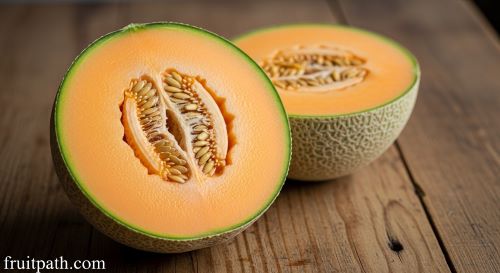
14. Melons:
- Calories: 34–36 per 100g.
- Key Nutrients: Vitamin A, fiber.
- Benefits:
- Supports eye health.
- Boosts immunity.
- Aids digestion.
- Supports eye health.
- How to Eat: Cubed, in fruit salads, or chilled.
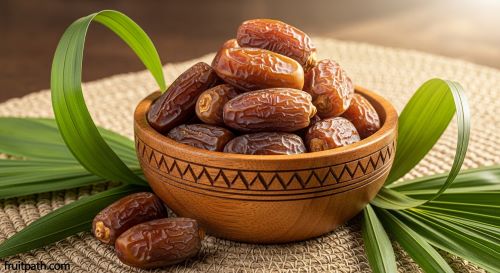
15. Dates:
- Calories: 277 per 100g.
- Key Nutrients: Fiber, potassium, and iron.
- Benefits:
- Quick energy.
- Bone health.
- Supports digestion.
- Quick energy.
- How to Eat: Fresh, dried, or stuffed with nuts.
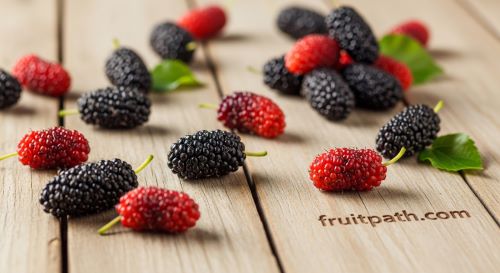
16. Mulberries:
- Calories: 43 per 100g.
- Key Nutrients: Iron, antioxidants.
- Benefits:
- Supports blood health.
- Strengthens immunity.
- Promotes eye health.
- Supports blood health.
- How to Eat: Fresh, in pies, or smoothies.
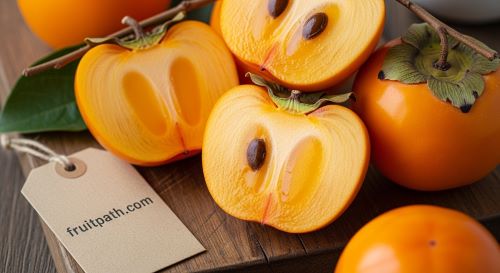
17. Persimmons:
- Calories: 70 per 100g.
- Key Nutrients: Vitamin A, Vitamin C.
- Benefits:
- Eye health.
- Boosts immunity.
- Supports digestion.
- Eye health.
- How to Eat: Fresh, sliced, or in salads.
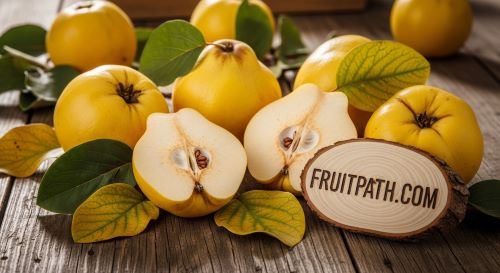
18. Quinces:
- Calories: 57 per 100g.
- Key Nutrients: Fiber, vitamin C.
- Benefits:
- Improves digestion.
- May reduce allergies.
- Low-calorie fruit for weight control.
- Improves digestion.
- How to Eat: Cooked in jams, jellies, or baked.
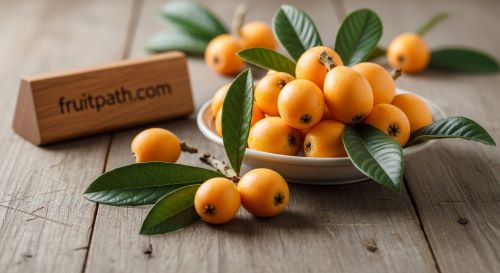
19. Loquats:
- Calories: 47 per 100g.
- Key Nutrients: Vitamin A, fiber.
- Benefits:
- Supports cough relief.
- Promotes skin health.
- Aids digestion.
- Supports cough relief.
- How to Eat: Fresh, in salads, or desserts.
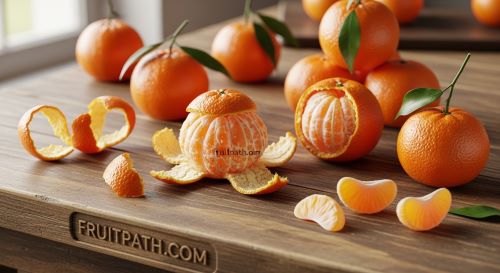
20. Tangerines:
- Calories: 53 per 100g.
- Key Nutrients: Vitamin C, fiber.
- Benefits:
- Fights colds.
- Supports digestion.
- Helps maintain weight.
- Fights colds.
- How to Eat: Peel and eat fresh, in salads.
- To read more about citrus: When Are Citrus Fruits in Season? Your Fresh, Juicy Picks:
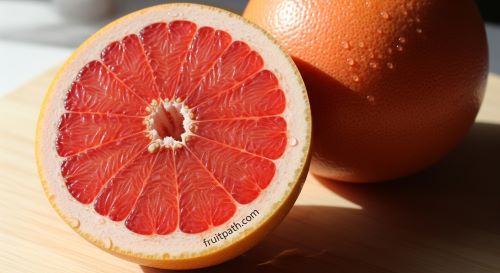
21. Grapefruit:
- Calories: 42 per 100g
- Key Nutrients: Vitamin C, antioxidants
- Benefits:
- Weight management
- Supports heart health
- Stabilizes blood sugar
- Weight management
- How to Eat: Half a grapefruit for breakfast, in salads
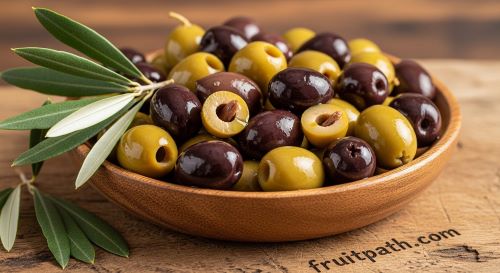
22. Olives:
- Calories: 115 per 100g.
- Key Nutrients: Healthy fats, calcium.
- Benefits:
- Supports heart health.
- Anti-inflammatory.
- Bone health.
- Supports heart health.
- How to Eat: Snack, in salads, or Mediterranean dishes.
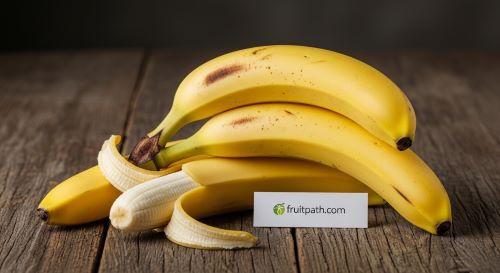
23. Bananas:
- Calories: 89 per 100 g.
- Key Nutrients: Potassium, vitamin B6.
- Benefits:
- Supports muscles and nerves.
- Quick energy.
- Mood enhancer.
- Supports muscles and nerves.
- How to Eat: Sliced on yogurt, in smoothies.
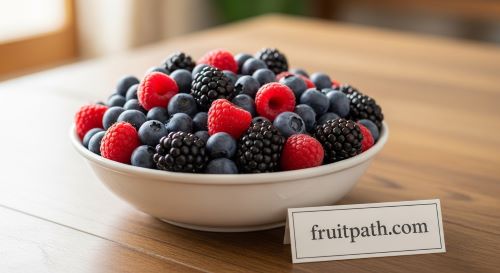
24. Berries:
- Calories: 43–57 per 100g.
- Key Nutrients: Antioxidants, fiber.
- Benefits:
- Anti-aging
- Brain sharpness
- Heart support
- Anti-aging
- How to Eat: Fresh, in cereal, smoothies, or yogurt.
- Try this jelly recipe of autumn olive berries: Autumn Olive Berries: A Sweet Jelly Recipe for Foragers:
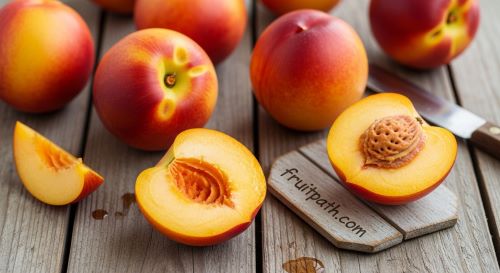
25. Nectarines:
- Calories: 44 per 100g.
- Key Nutrients: Vitamin A, fiber.
- Benefits:
- Supports skin health.
- Aids digestion.
- Eye health.
- Supports skin health.
- How to Eat: Fresh, sliced in salads or desserts.
Seasonal Fruits in Mediterranean Countries:
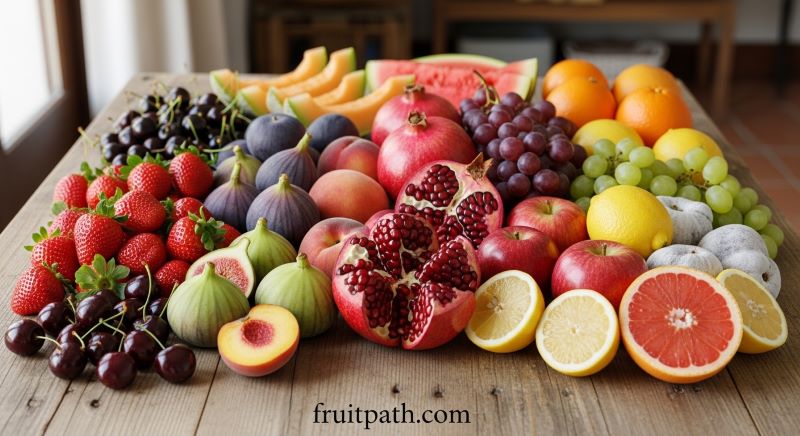
| Season | Fruits |
| Spring | Strawberries, cherries, loquats, apricots |
| Summer | Figs, peaches, nectarines, plums, melons, watermelon, grapes, mulberries |
| Autumn | Grapes, pomegranates, apples, pears, persimmons, quinces, dates |
| Winter | Oranges, lemons, tangerines, grapefruit |
Eating seasonal fruits ensures maximum freshness, flavor, and nutrition.
How Mediterranean People Eat Fruits Daily:
- Fresh snacks: A quick apple or orange between meals.
- Fruit desserts: Sliced pears, grapes, or figs after dinner.
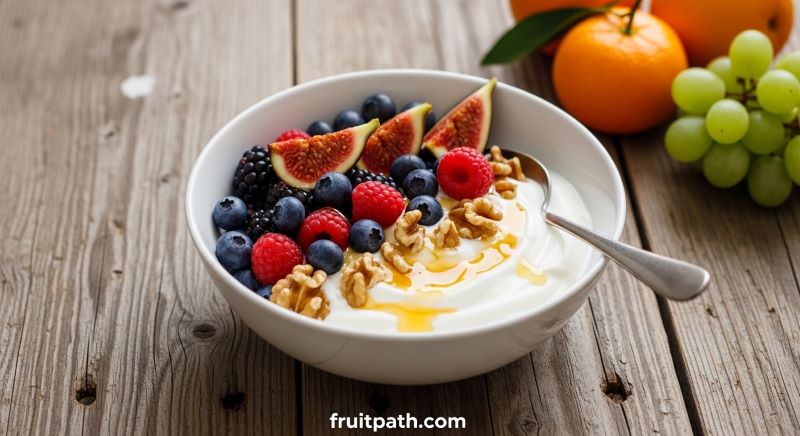
- Fruit with yogurt: Greek yogurt topped with berries and honey.
- Fruit salads: Seasonal fruits tossed with fresh herbs.
- Cooking with fruits: Olives in dishes, lemons on fish, figs with cheese.
Fresh Fruits vs Dried Fruits:
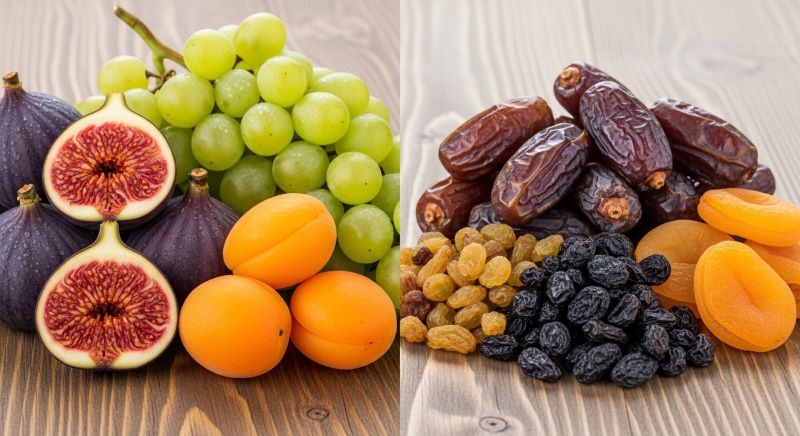
- Fresh fruits: High water content, best for daily eating.
- Dried fruits: Nutrient-dense but concentrated in sugar; great for energy and snacks.
Tips for Adding More Fruits:
- Replace sweets with fruit.
- Add fruits to breakfast and smoothies.
- Keep a fruit bowl at home.
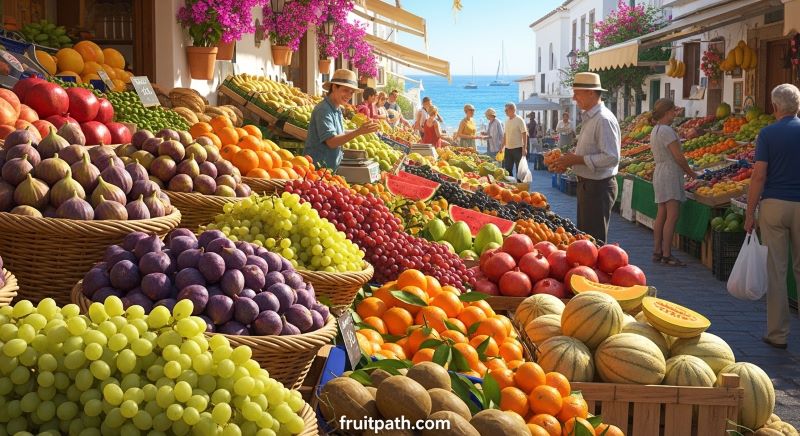
- Buy seasonal fruits from local markets.
- Try one new fruit every week.

Easy Mediterranean Fruit Recipes:
Greek Yogurt with Berries and Honey:
- Mix 1 cup Greek yogurt, berries, 1 tsp honey, and walnuts.
Orange and Olive Oil Salad:
- Slice 2 oranges, drizzle with 1 tsp olive oil, and sprinkle with mint.
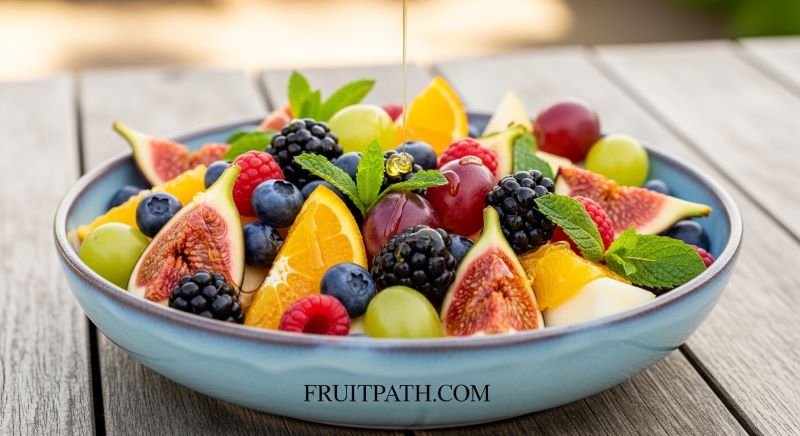
Fig and Walnut Salad:
- Combine 4 figs, a handful of walnuts, feta cheese, and olive oil.
Frequently Asked Questions:
Q: What fruits are allowed in Mediterranean diets?
Most fresh fruits are figs, grapes, oranges, apples, and berries.
Q: How many fruits should I eat daily?
2–3 servings (1 medium fruit or 1 cup chopped per serving).
Q: Are dried fruits healthy?
Yes, but in small amounts due to concentrated sugar.
Q: Can I eat bananas?
Yes, they are fine for potassium and energy.
Conclusion:
Fruits are an essential part of Mediterranean diets, offering natural sweetness, vital nutrients, and health benefits. From figs and grapes to citrus fruits and berries, these fruits support heart health, digestion, and immunity. Eating seasonal fruits and incorporating them into daily meals is the Mediterranean way to enjoy food while staying healthy.
Start adding more fruits today and enjoy a taste of the Mediterranean lifestyle—fresh, colorful, and full of life!