
When you step into your backyard on a sunny morning, feeling the warmth of the sun on your skin. You reach for a handful of ripe, sun-warmed strawberries or bite into a crisp apple that you grew yourself. There’s nothing quite like that sweet, juicy flavor; it beats anything from the supermarket. Starting your own fruit garden at home is one of the most rewarding hobbies you can take on, whether you live in a suburban home in the USA, a cozy townhouse in the UK, or a small apartment with a balcony in Europe.
Homegrown fruit tastes fresher and is packed with nutrients. Plus, it saves you money at the grocery store. You can feel confident knowing exactly how it was grown, without long shipping times or unwanted chemicals. This hobby is a fun outdoor activity for the whole family, gets kids excited about healthy eating, and helps reduce your carbon footprint.
Even if you have never gardened before, you can be successful! This beginner’s guide to fruit gardening breaks everything down into simple terms that are easy to understand. You don’t need a big yard or years of experience. Many people with small yards or tiny balconies across the USA and Europe are already enjoying fresh berries, apples, and citrus at home.
By the time you finish reading this article, you’ll feel excited and ready to start your own fruit garden. Let’s turn that empty patch of grass or those unused pots into your own fruitful space, one easy step at a time. Are you ready? To know how to start a fruit garden at home in 10 easy steps. Let’s get started!
- 1: Decide What Type of Fruit Garden You Want:
- 2: Choose the Best Location for Your Fruit Garden:
- 3: Test and Prepare Your Soil:
- 4: Choose the Best Fruits for Your Climate:
- 5: Plan Your Fruit Garden Layout:
- 6: Buy the Right Fruit Plants:
- 7: Plant Your Fruit Garden (Step-by-Step):
- 8: Essential Fruit Garden Tools:
- 9: Fruit Garden Care Guide:
- 10: Fruit Garden Maintenance Calendar:
- When Will Your Fruit Plants Start Producing?
- Common Fruit Gardening Mistakes (Beginners Make):
- How Much Does It Cost to Start a Fruit Garden?
- Best Fruits for Beginner Gardeners:
- Final Tips for a Successful Fruit Garden:
- Conclusion:
- Frequently Asked Questions (FAQ):
1: Decide What Type of Fruit Garden You Want:
The first step in learning how to start a fruit garden is choosing the style that fits your space and lifestyle.
A backyard orchard is ideal if you have a larger yard. You can plant several fruit trees and enjoy shade plus plenty of fresh fruit for many years.
If your yard is modest, create a small backyard fruit garden. Mix a few dwarf trees with berry bushes for a beautiful and productive space.
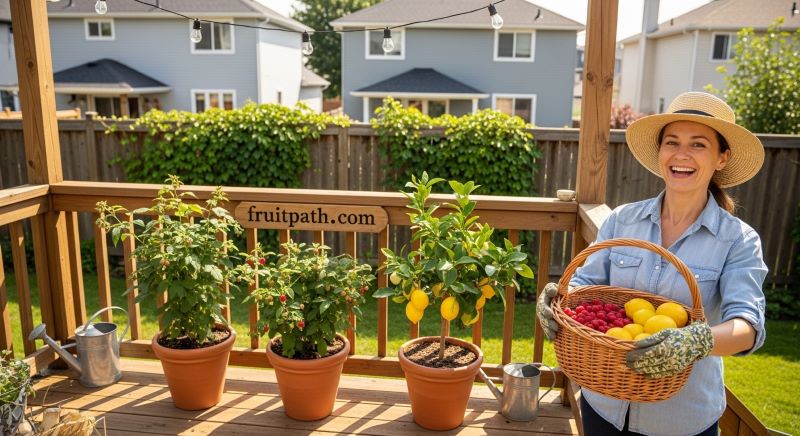
No yard? Try a container fruit garden. Grow everything in large pots on a patio, deck, or driveway. Many fruits, such as strawberries, lemons, and dwarf peaches, thrive in containers.
Want to save space? Build a vertical fruit garden using trellises or walls to grow grapes, kiwi, or climbing berries upward.
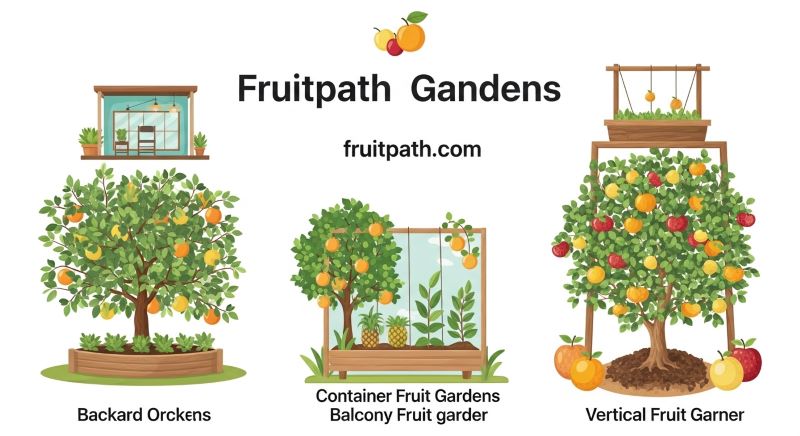
Living in an apartment or condo? A balcony fruit garden is perfect. Use hanging baskets for strawberries, rail planters for blueberries, and a sunny corner for a small citrus tree.
Anecdote: A person in a suburban neighborhood started gardening with just four pots on their deck three years ago. Now, they enjoy fresh raspberries and lemons every summer while their neighbors continue to buy expensive fruit from the store. They say having a little garden feels like having their own mini supermarket.
When starting a garden, think about what fits best in your space and how much time you want to spend on it. You can start small and make it bigger later if you want!
2: Choose the Best Location for Your Fruit Garden:
Fruit plants are a little picky about where they grow, but the rules are easy to follow.
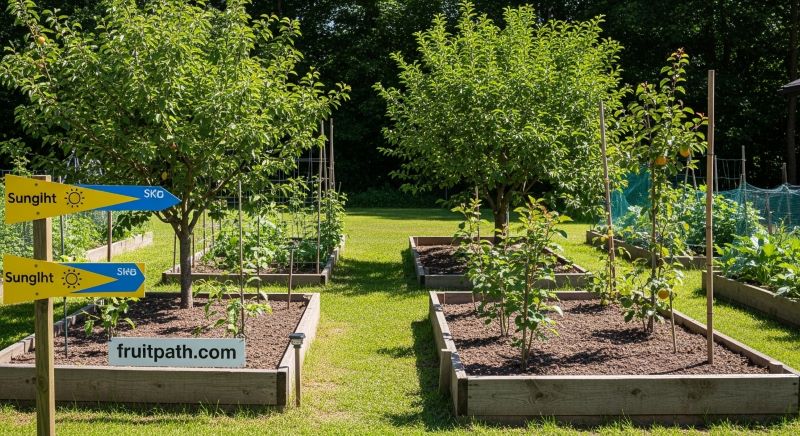
Sunlight requirements are the most important. Most fruit needs at least 6–8 hours of direct sunlight every day. Walk around your yard or balcony at different times of the day to find the sunniest spot.
Wind protection matters too. Strong winds can damage young branches or dry out the soil quickly. Choose a spot protected by a fence, wall, or hedge.
Soil drainage is critical. Fruit roots do not like wet feet. If water pools after rain, consider raised beds or containers with good drainage holes.
Water availability should be convenient. You do not want to carry heavy watering cans across the yard every day. Pick a spot near a hose bib or plan for a simple drip irrigation system.
Take a few minutes to really observe the area. Sit there for a while. If it feels right, you have found the perfect location for your backyard fruit garden.
3: Test and Prepare Your Soil:
Good soil is the foundation of a successful fruit garden for beginners.
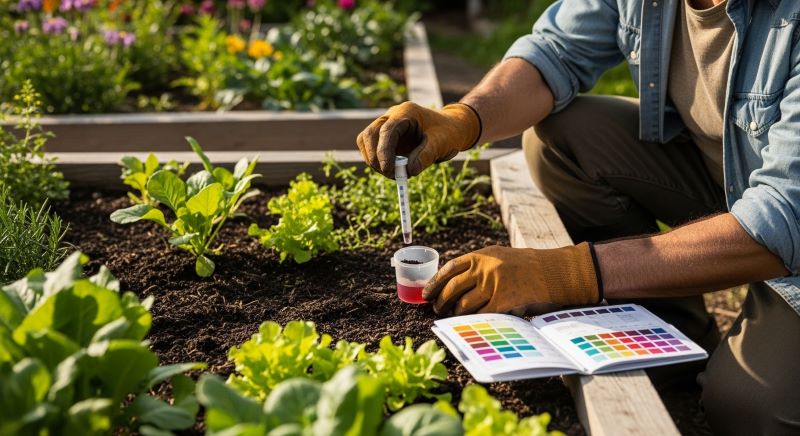
Ideal soil pH for fruit plants usually falls between 6.0 and 7.0. Blueberries and raspberries prefer slightly more acidic soil (5.5–6.5), while apples and pears like it closer to neutral. Pick up an inexpensive soil test kit from any garden center or online.
Improving poor soil is simpler than most people think. Whether your soil is heavy clay or sandy, adding organic matter makes a huge difference.
Compost and organic matter are your best friends. Mix in homemade compost, well-rotted manure, or high-quality garden soil. This improves drainage, holds moisture, and feeds your plants naturally.
Raised beds vs in-ground planting: Raised beds warm up faster in spring, drain better, and make gardening easier on your back. In-ground planting costs less and allows roots to grow deeper. Both methods work great once the soil is prepared properly.
Anecdote: My friend Lily once helped her neighbor, Mr. Johnson, prepare his first garden. At first, the soil was really heavy and tightly packed, which isn’t great for growing plants. Lily suggested they mix in some compost to improve the soil’s health. After letting it rest for a couple of weeks, they planted some strawberry plants. To their amazement, those strawberries grew twice as fast! Mr. Johnson was so thrilled with the transformation.
Now, Lily always says that spending time to get the soil right is super important because it makes the plants grow better and produce sweeter fruit!
4: Choose the Best Fruits for Your Climate:
Choosing fruits suited to your local weather is one of the smartest moves when learning how to start a fruit garden.
Fruits for cold climates (common in northern USA, Canada, and northern Europe) include apples, pears, cherries, plums, and blueberries. These trees need winter chill to produce well.
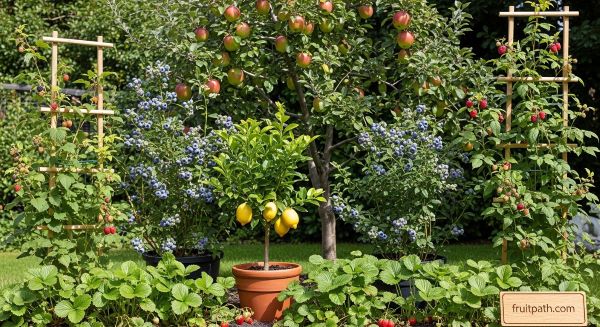
Fruits for warm climates (southern USA and Mediterranean Europe) do great with figs, peaches, apricots, and citrus trees.
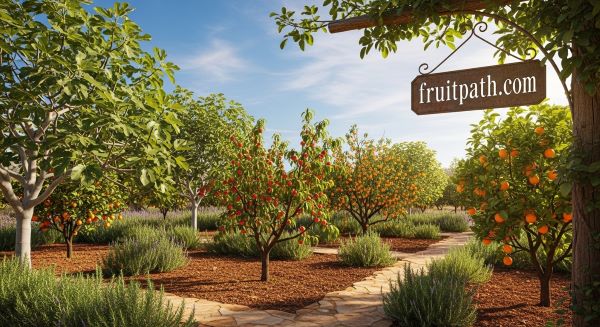
Fruits for beginners are the easiest and most reliable: strawberries, blueberries, raspberries, dwarf apple trees, and lemon trees (especially Meyer lemons in pots). These grow quickly, need less care, and give you fruit sooner.
Check your USDA Hardiness Zone (USA) or equivalent climate zone in Europe. Ask at your local garden center or talk to neighbors about what grows best in your area.
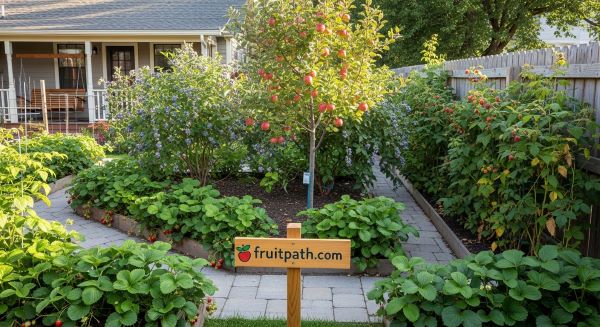
5: Plan Your Fruit Garden Layout:
A smart fruit garden layout prevents problems later and makes maintenance much easier.
Garden spacing guide: Dwarf fruit trees need about 8–12 feet (2.5–3.5 meters) between them. Berry bushes need 3–5 feet (1–1.5 meters). Climbing vines need a strong trellis and 6–8 feet of space.
Companion planting helps plants support each other. Grow strawberries near beans or herbs. Marigolds can help keep pests away from fruit trees.
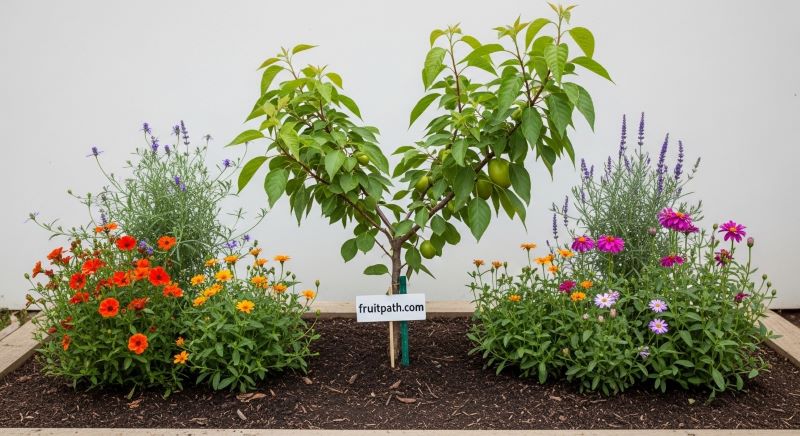
Pollination planning is important. Some fruits (like many apple varieties) need a second compatible tree nearby. Choose self-pollinating varieties if you only have room for one plant.
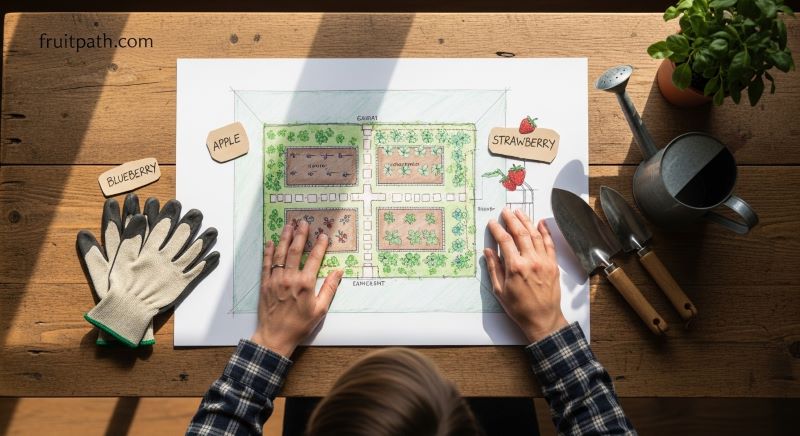
Garden design examples: Sketch a simple plan on paper. Place taller trees on the north side so they do not shade smaller plants. Put easy-to-reach berries closer to paths.
Spend a relaxing afternoon planning on paper. It feels like designing your dream outdoor space — and it saves you from moving heavy pots or trees later.
6: Buy the Right Fruit Plants:
Now comes the exciting part — shopping for your plants!
Seeds vs seedlings vs bare root trees: Seeds are cheapest but take the longest. Potted seedlings are easiest for beginners. Bare-root trees are often cheaper and great if planted in late winter or early spring.
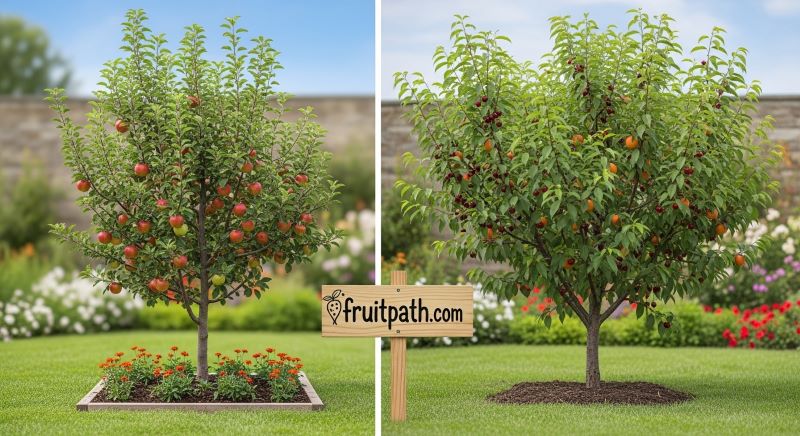
Dwarf fruit trees vs standard trees: Dwarf trees stay small (6–10 feet / 2–3 meters tall), produce fruit earlier, and fit perfectly in small gardens. Standard trees grow much larger and take longer to fruit.
Where to buy fruit plants: Choose reputable nurseries, trusted online stores (such as Stark Bro’s, Burpee, or local garden centers), or farmers’ markets. Look for disease-resistant varieties and healthy-looking plants.
Anecdote: My friend James in California bought cheap plants from a big-box store and lost most of them. His neighbor bought certified dwarf blueberry bushes from a reputable nursery and is now harvesting baskets full of berries every year. The small extra investment paid for itself many times over.
Buy with confidence. Healthy plants from good sources establish faster and give you more fruit.
7: Plant Your Fruit Garden (Step-by-Step):
It is time to get your hands in the soil!
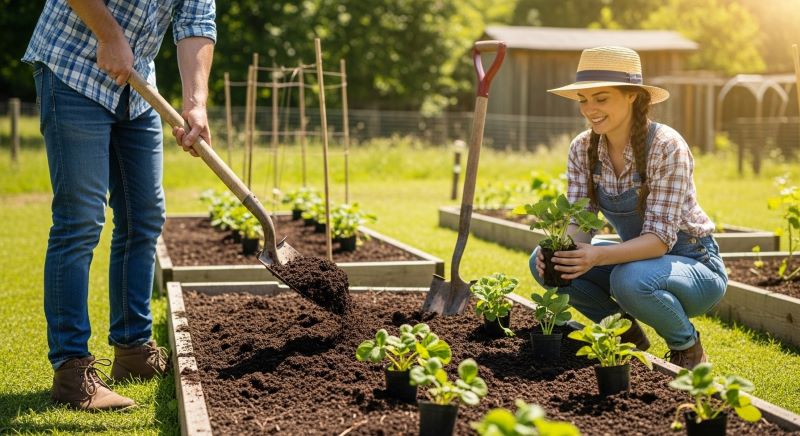
Planting fruit trees: Dig a hole twice as wide as the root ball but only as deep. Loosen the soil at the bottom. Set the tree so the top of the root ball sits level with the ground. Backfill gently, water deeply, and add mulch around the base.
Planting berries: Space them according to the label. Plant slightly deeper than they were in the nursery pot and mulch well.
Planting vines: Install the trellis or support first. Plant at the base and gently tie the young vine to the structure.
Watering after planting: Give everything a thorough drink right after planting. Then water slowly and deeply every few days for the first few weeks so the roots settle in properly.
Take your time and enjoy the process. Play some music or involve the family. Planting day should feel like the start of something special.
8: Essential Fruit Garden Tools:
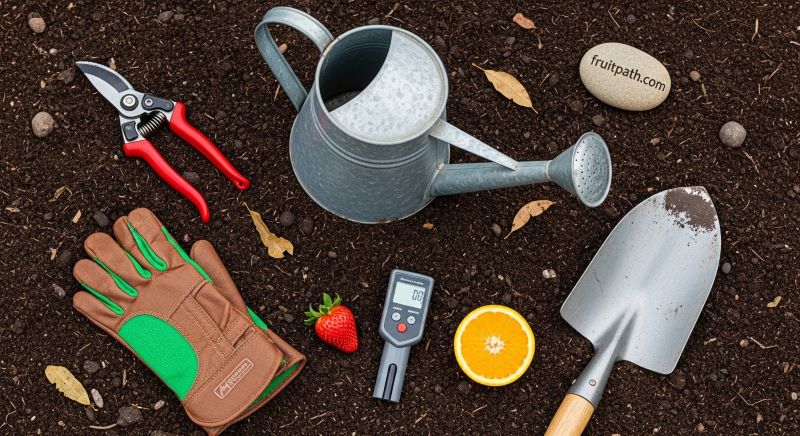
You do not need a lot of tools to get started. These five basics will serve you well:
- Pruning shears: Sharp, comfortable ones for clean cuts that keep trees healthy.
- Garden gloves: Protect your hands from thorns and dirt.
- Soil tester: Quickly checks pH and moisture levels.
- Watering system: A garden hose or simple drip irrigation kit saves time and water.
- Trellis: Essential for vertical growing and strong support for vines.
Invest in good-quality tools once. They last for years and make gardening much more enjoyable.
9: Fruit Garden Care Guide:
Keeping your garden healthy is easier than you think with these simple routines.
Watering schedule: Water deeply once or twice a week rather than light daily sprinkles. Early morning is best.
Fertilizing fruit plants: Use organic compost or a slow-release fruit fertilizer in early spring and after the main harvest.
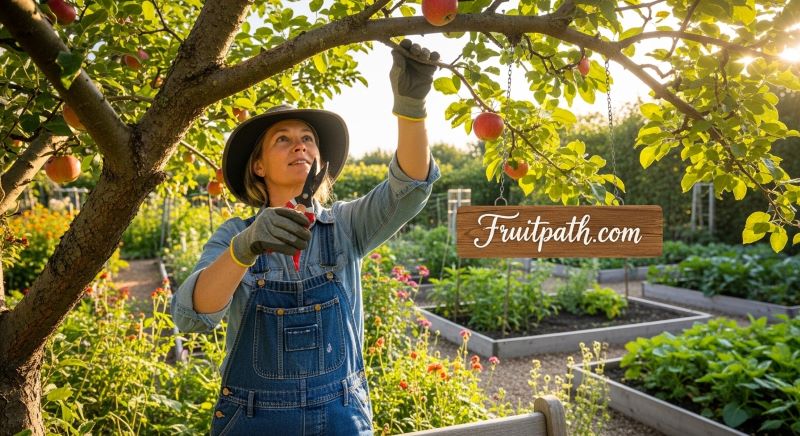
Pruning fruit trees: Prune in late winter to remove dead or crossing branches. This lets sunlight reach the center and encourages bigger, better fruit.
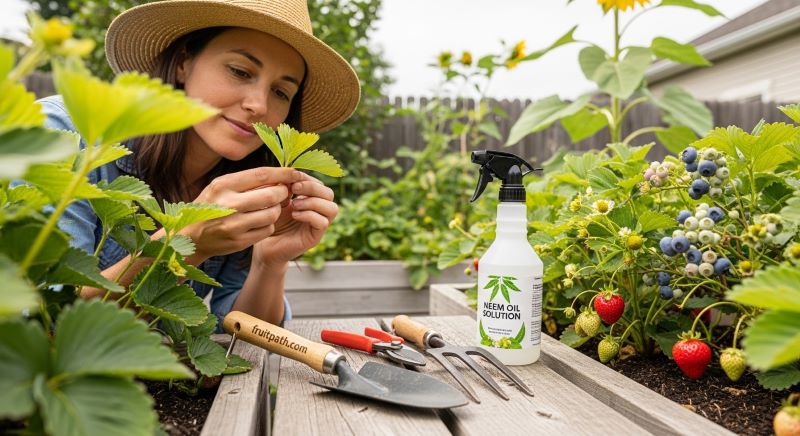
Pest control: Check plants regularly and pick off insects by hand. Use neem oil or insecticidal soap when needed. Companion planting also helps naturally.
Stay consistent but keep it simple. A little care each week prevents big problems later.
10: Fruit Garden Maintenance Calendar:
Stay organized with this easy seasonal guide:
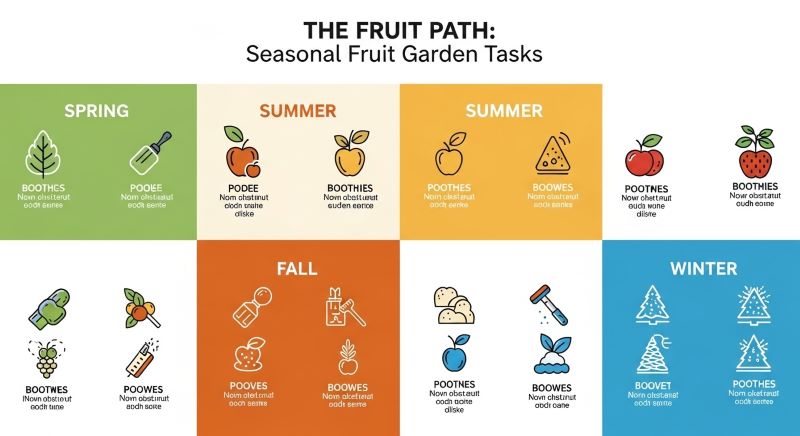
Spring tasks: Prune trees, add fresh compost, plant new berries, and watch for new growth.
Summer tasks: Water deeply during dry spells, mulch to keep soil cool, harvest ripe fruit, and monitor for pests.
Fall tasks: Clean up fallen leaves, fertilize lightly, plant garlic or cover crops, and prepare for winter.
Winter tasks: Prune dormant trees, protect young or tender plants if needed, and plan improvements for next year.
Mark these tasks on your calendar. Spending just a little time each season keeps your fruit garden for beginners productive and beautiful year after year.
When Will Your Fruit Plants Start Producing?
Patience is key, but the reward is sweet! Here is a helpful timeline:
Fruit First Harvest
Strawberries 1 year
Blueberries 2–3 years
Apple trees 3–5 years
Lemon trees 1–2 years (in pots)
Most berries give you fruit surprisingly fast. Trees take a bit longer but produce for decades once they start. The wait is absolutely worth it!
Common Fruit Gardening Mistakes (Beginners Make):
Avoid these common pitfalls when starting your fruit garden for beginners:
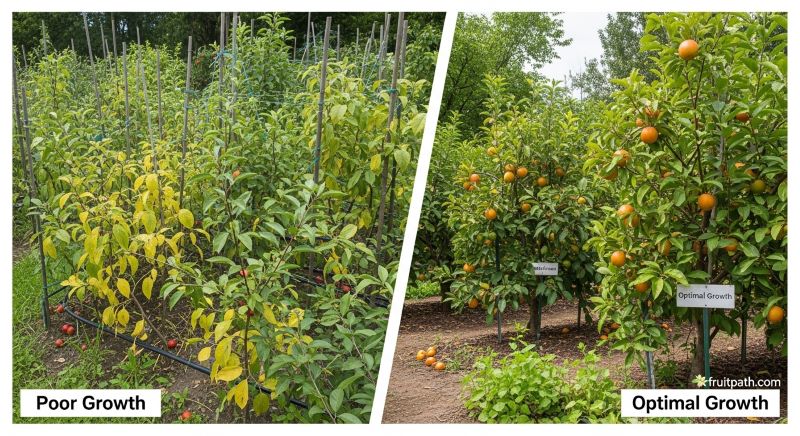
- Planting too close together (plants compete, and fruit stays small)
- Choosing the wrong fruit for your climate zone
- Poor soil preparation before planting
- Overwatering (which causes root rot)
- Ignoring sunlight requirements
Improper spacing and poor planning are two of the most common beginner problems in gardens. Now that you know what to watch for, you can avoid these mistakes and set yourself up for success.
How Much Does It Cost to Start a Fruit Garden?
Starting a fruit garden does not have to be expensive. Here are realistic budget examples (in USD):
- Small (balcony or container garden): $50–$150
- Medium (small backyard setup): $200–$500
- Large (proper backyard orchard): $800+
Most of the cost happens in the first year for plants, soil, and basic tools. After that, your garden mostly pays for itself with free, delicious fruit. Many families save hundreds of dollars every year on fresh produce.
Best Fruits for Beginner Gardeners:
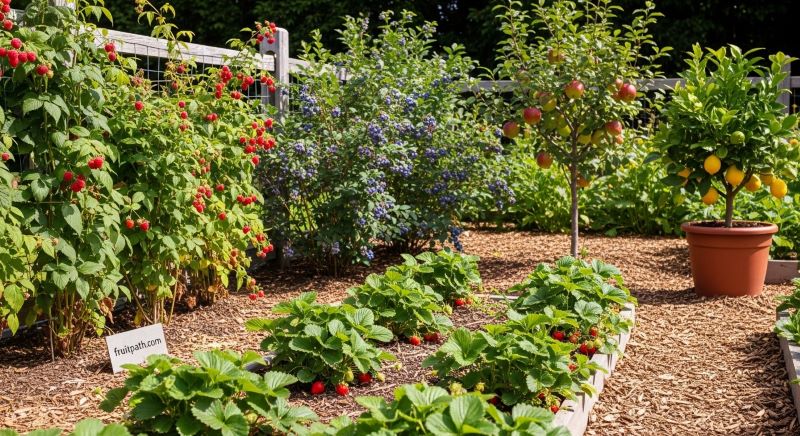
These five fruits are almost foolproof and perfect for your first attempt at growing fruit at home:
- Strawberries — fast-growing, sweet, and perfect in pots or beds
- Blueberries — beautiful foliage and delicious berries
- Raspberries — productive and can climb fences
- Apples (dwarf varieties) — classic taste in smaller spaces
- Lemons (especially Meyer lemons) — productive and great in containers
Start with these reliable choices, and you will quickly gain confidence to try more varieties later.
Final Tips for a Successful Fruit Garden:
- Start small so you do not feel overwhelmed.
- Choose dwarf trees for faster fruit and easier care.
- Plant a mix of seasonal varieties so you have fresh fruit throughout the growing season.
- Maintain soil health with regular compost — this is the real secret to long-term success.
Follow these expert tips, and you will be well on your way to a thriving fruit garden.
Conclusion:
You now have a complete, step-by-step roadmap for how to start a fruit garden at home in 10 easy steps. From choosing the perfect location to harvesting your first sweet berries, every part is simple when you follow the plan.
Do not wait for the “perfect” conditions. Grab a few pots or clear a small corner this weekend. Buy your first strawberry or blueberry plants with total confidence. Watch your garden grow, enjoy the fresh air, and taste the difference homegrown fruit makes.
Your own backyard fruit garden is closer than you think. Start today — your future self and your family will thank you for it.
Happy planting!
Frequently Asked Questions (FAQ):
Here are honest answers to some of the most common questions beginners ask when learning how to start a fruit garden at home.
1. What is the 10/20/30 rule for trees?
The 10/20/30 rule is a smart guideline used by urban foresters and home gardeners to create a healthy, disease-resistant tree population. It helps prevent one pest or disease from wiping out your entire garden or neighborhood.
Here is how it works:
- No more than 10% of your trees should be the same species (for example, ‘Honeycrisp’ apple).
- No more than 20% should belong to the same genus (all apple trees belong to the genus Malus).
- No more than 30% should come from the same plant family (apples, pears, and hawthorns are all in the rose family, Rosaceae).
Why it matters: If you plant too many of the same type, a single problem like apple scab or fire blight can spread quickly and destroy everything. Following the 10/20/30 rule builds diversity and makes your backyard fruit garden much more resilient. In a small home garden, avoid planting only apples or only stone fruits — mix in berries, different fruit tree types, and even some ornamental trees.
2. What is the two-tree length rule?
The two-tree length rule (sometimes called the “mature height rule”) is a practical spacing guideline to keep your fruit trees healthy and easy to maintain.
The idea is simple: When your trees are fully grown, leave at least the height of two mature trees between them. For example:
- If a dwarf apple tree will grow 10 feet (3 meters) tall at maturity, keep at least 20 feet (6 meters) between trees.
- For semi-dwarf trees that reach 15–20 feet, you would need 30–40 feet of space.
This rule prevents overcrowding, reduces competition for sunlight, water, and nutrients, improves air circulation (which lowers disease risk), and makes pruning and harvesting much easier. In smaller gardens or when using dwarf fruit trees, many gardeners successfully plant a bit closer (8–12 feet / 2.5–3.5 meters for dwarfs) and control size with regular summer pruning. Always check the specific mature size listed on your plant tag and adjust based on your rootstock.
3. What is the hardest fruit to plant?
The hardest fruit to grow successfully for most home gardeners in the USA and Europe is usually apples (especially in humid or disease-prone areas), followed closely by peaches, apricots, and citrus in cooler climates.
Why apples are challenging:
- They suffer from many diseases like apple scab, fire blight, cedar-apple rust, and powdery mildew.
- They often need regular spraying, careful pruning, and a second compatible variety for good pollination.
- Pests such as codling moth and aphids can be persistent.
Peaches are also difficult because they are very sensitive to frost, require heavy thinning, and are prone to peach leaf curl and brown rot. True citrus trees (oranges, grapefruits) struggle in zones colder than 8–9 unless grown in large containers and protected in winter.
If you are a beginner, it is smarter to start with easier fruits and gain confidence before tackling these more demanding ones.
4. What is the easiest fruit to grow in a garden?
The easiest fruits for beginners in most USA and European climates are strawberries, followed closely by raspberries (especially fall-bearing varieties), blackberries, and blueberries (when planted in the right soil).
Why strawberries win for beginners:
- They grow quickly and often produce fruit in the very first year.
- They do well in containers, raised beds, or hanging baskets.
- They need full sun, regular water, and a bit of mulch — that is basically it.
- You can plant them in spring or fall and enjoy sweet berries all summer.
Raspberries and blackberries (cane berries) are also very forgiving. Fall-bearing raspberries are especially easy because you cut all the canes to the ground each winter, and new ones grow back. Blueberries are slightly more work because they need acidic soil, but once established, they are low-maintenance and beautiful.
These fruits are perfect when you are learning how to grow fruit at home because they forgive small mistakes and give fast rewards.
5. What should you not plant next to an apple tree?
Certain plants can harm your apple tree by spreading disease, competing for resources, or releasing chemicals that stunt growth. Here are the main ones to avoid:
- Black walnut trees — They release a toxic chemical called juglone that can kill or severely weaken apple trees.
- Junipers, eastern red cedars, or other junipers — These host cedar-apple rust, a fungal disease that creates ugly orange spots on apple leaves and ruins fruit.
- Hawthorns — Also related to the rose family and can spread the same rust diseases.
- Nightshade family plants (tomatoes, potatoes, peppers, eggplant) — They can share diseases like blight that may affect apples.
- Root crops like potatoes, carrots, and beets — Their digging and heavy root growth can damage the shallow feeder roots of your apple tree.
- Mint (especially in the ground) — It spreads aggressively and competes with the tree’s roots.
- Fennel — It can inhibit the growth of many plants, including fruit trees.
Instead, plant helpful companions like marigolds, garlic, chives, nasturtiums, or clover under your apple tree. These attract beneficial insects, improve soil, and help keep pests away.