
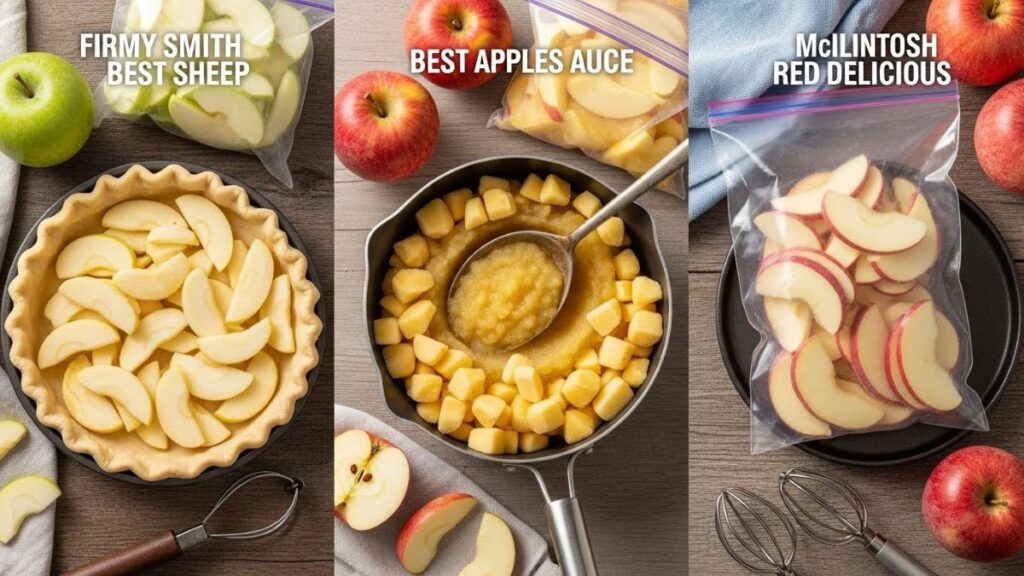
Ending the Mushy Apple Nightmare:
We have all been there: excitedly freezing a batch of fresh apples only to thaw them later and end up with a soggy, tasteless mess. The once-crisp slices turn watery and mushy, ruining your dreams of homemade apple pie or applesauce. This happens because freezing causes ice crystals to form, which puncture cell walls and release moisture upon thawing—leading to that dreaded loss of texture.
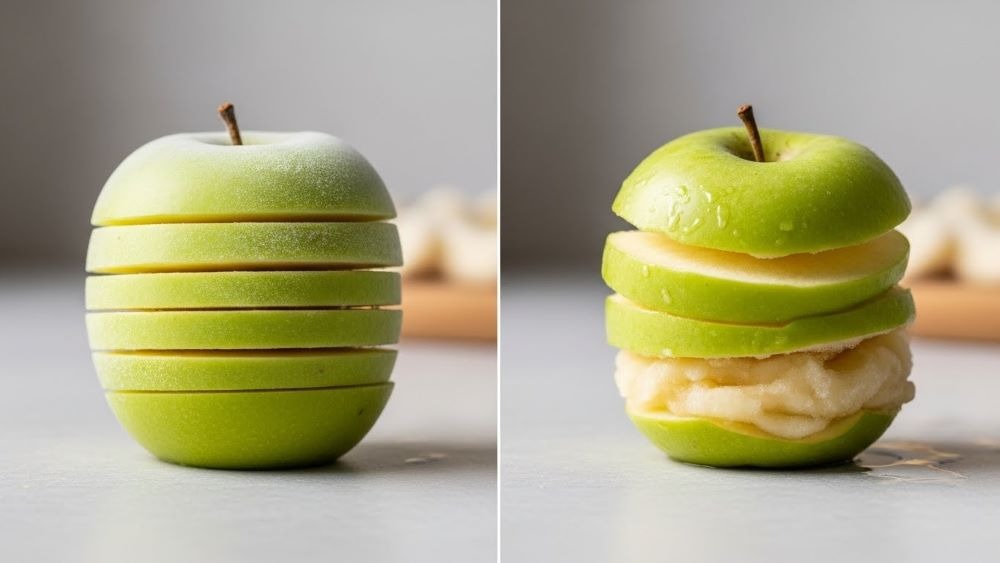
The Promise of this Guide:
The secret to perfect frozen apples isn’t complicated prep—it’s choosing the right variety. Apples differ dramatically in how they hold up after freezing. This definitive guide ranks popular varieties based on post-thaw texture retention, flavor, and performance in specific uses, so you can stock your freezer confidently.
The Science of Successful Freezing:
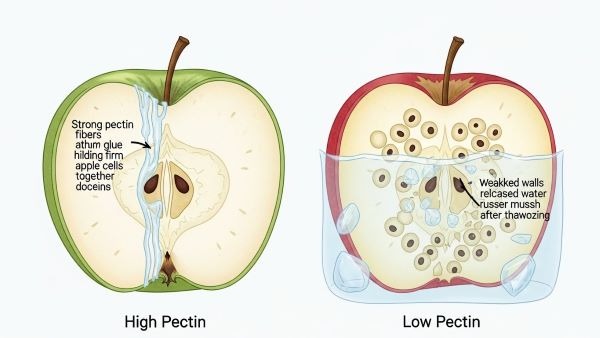
Pectin: The Unsung Hero of Structure:
Pectin is a natural fiber found in apple cell walls that acts like glue, holding everything together. Varieties high in pectin (often tart ones like Granny Smith) maintain better structure during freezing because pectin resists breakdown from ice crystals. Lower-pectin apples break down more easily, resulting in mush.
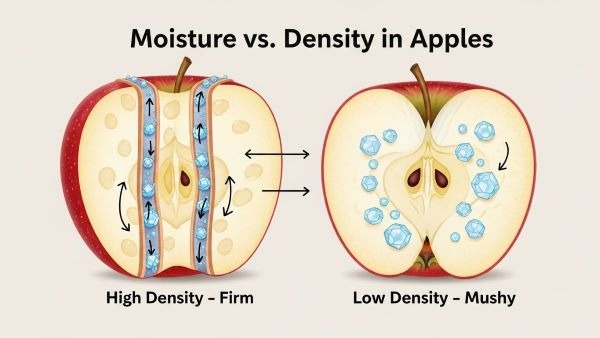
Moisture vs. Density: What to Look For:
Firm, dense apples have less free water content, forming smaller ice crystals that cause minimal damage. Juicier, less dense varieties produce larger crystals, leading to more cell rupture and mushiness upon thawing. Opt for crisp, high-density apples for the best results.
The Freezer Apple Showdown: Comparative Analysis:
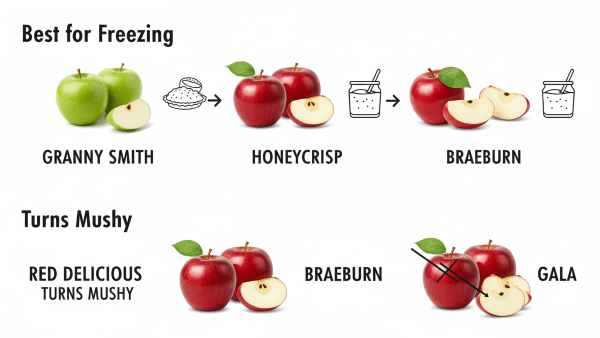
Comprehensive Variety Ranking Chart (The Core Value):
Here’s the scroll-stopping chart you have been waiting for. Ratings are based on post-thaw texture retention (tested for pie-like uses), with notes on best applications.
| Variety | Texture Retention (1-5) | Best For | Notes |
| Granny Smith | 5/5 | Pie, Baking | Excellent firmness and tartness; holds shape perfectly. Top choice for structured pies. |
| Honeycrisp | 4.5/5 | Pie, Versatile | Crisp and juicy fresh; retains good bite after freezing with minimal mush. |
| Braeburn | 4.5/5 | Pie, Baking | Firm, sweet-tart; great structure retention. |
| Jonagold | 4/5 | Pie, Versatile | Balanced flavor; holds up well for baking. |
| Pink Lady | 4/5 | Pie, Baking | Dense and crisp; good retention with bright flavor. |
| Cortland | 4/5 | Pie, Versatile | Slow to brown; firm texture post-thaw. |
| Empire | 4/5 | Versatile | Cross of McIntosh and Red Delicious; better than parents for freezing. |
| Fuji | 3.5/5 | Sauce, Versatile | Sweet and dense; okay for baking but can soften. |
| Golden Delicious | 3/5 | Sauce, Butter | Softens significantly; great flavor but loses structure. |
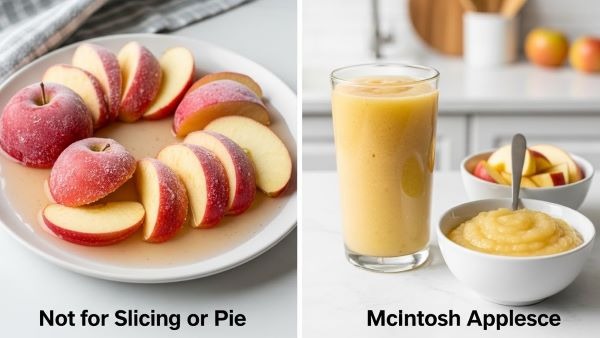
| McIntosh | 2.5/5 | Sauce | Breaks down easily; ideal for purées but mushy for slices. |
| Gala | 2/5 | Sauce, Smoothies | High water content; turns very mushy. |
| Red Delicious | 1/5 | Avoid/Smoothies Only | Grainy and watery post-thaw; poor texture retention. |
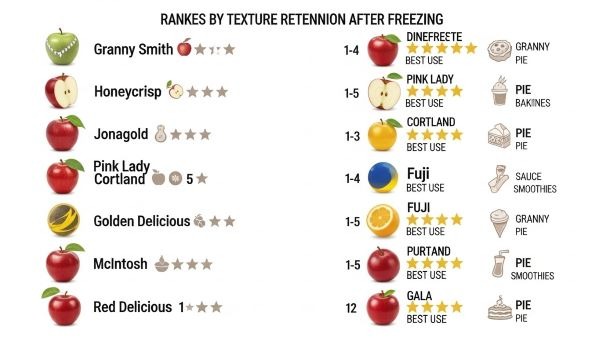
Understanding Our Rating System:
- 5/5: Excellent Structure Retention – Stays firm and slice-like; ideal for pies.
- 4/5: Very Good – Minor softening but holds shape well.
- 3/5: Fair – Some mushiness; better blended.
- 2/5: Poor – Significant breakdown.
- 1/5: Best for Smoothies Only – Turns watery and unappealing for baking.
Best Apples for Specific Uses:
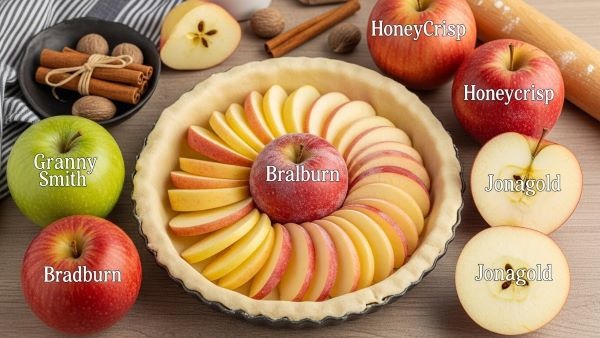
The Pie-Makers’ Choice: Best Apples to Freeze for Pie:
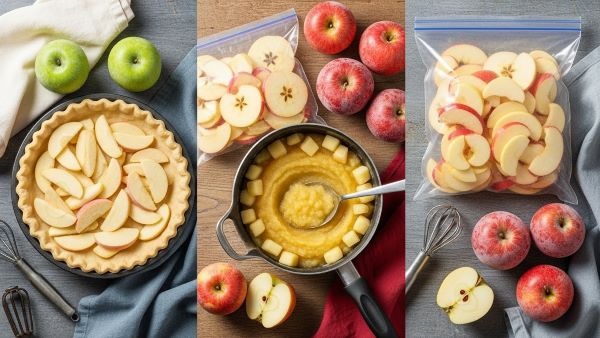
For pies where you want distinct slices and balanced flavor, prioritize firm, tart varieties that retain structure. Granny Smith reigns supreme for its acidity (which cuts through sweetness) and unbeatable firmness. Honeycrisp, Braeburn, and Jonagold are close runners-up—mix them for depth. Acidity matters because it enhances flavor and helps pectin set.
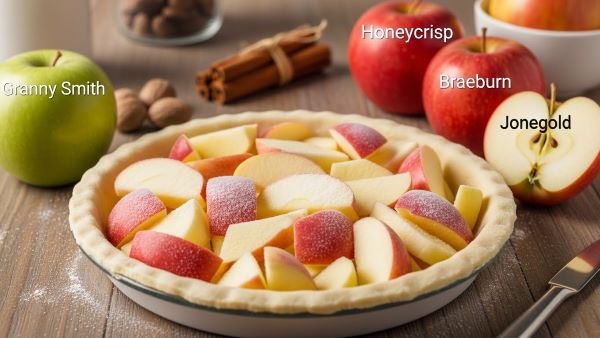
The Sauce Masters’ Selection: Best Apples for Freezing for Applesauce:
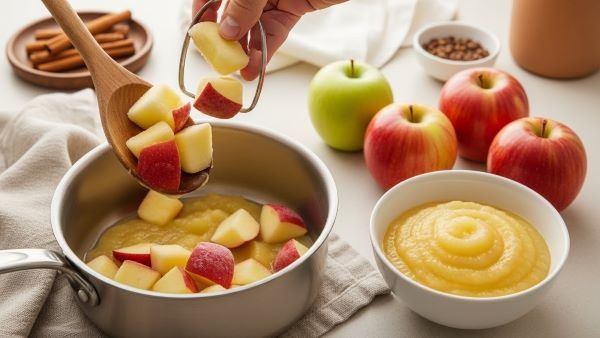
If you’re after smooth, flavorful applesauce or apple butter, choose varieties that break down naturally. McIntosh, Golden Delicious, and even softer Gala shine here—their quick softening creates silky purées with rich sweetness.
The Versatile Freezers: Good for Both Baking and Sauce:
Empire, Fuji, and Cortland strike a balance—firm enough for some structure in baking but sweet enough to purée beautifully.
Apples to Avoid (And What to Do with Them)
The High-Water Content Offenders:
Red Delicious, Gala, and McIntosh (for slices) are notorious for turning mushy due to high moisture and lower pectin/density. They release too much water, leading to soggy results.
The “Smoothie Only” Rule:
If you end up with these varieties, freeze them anyway—but commit to blended uses like smoothies, baby food, or sauces where texture doesn’t matter.
Preparation Tailored by Variety:
Acidity Adjustments for the Soak:
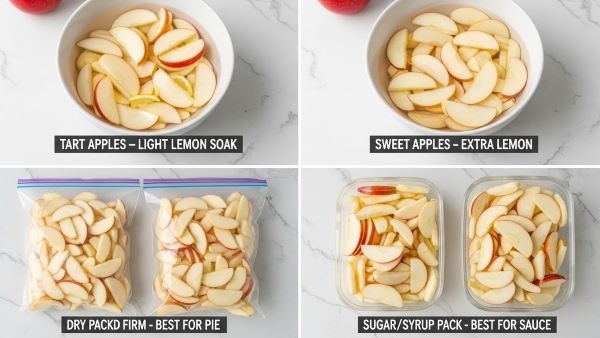
Tart apples like Granny Smith need minimal lemon juice in an anti-browning soak (water + lemon). Sweeter varieties benefit from more to prevent discoloration and add balance.
Recommended Pack Method by Variety:
Dry-pack (no syrup) works best for firm baking apples to preserve texture. Use a sugar or syrup pack for softer sauce-destined apples to enhance flavor and moisture.
Conclusion: Your Freezer-Friendly Pick:
For the average home cook, Granny Smith is the single best all-around freezer apple—reliable structure, tart flavor, and versatility for pies or mixes.
Ready to put your frozen apples to work? Head over to our Recipe Cluster for inspiring ideas like classic apple pie, spiced applesauce, and more—your perfect batch awaits!
Frequently Asked Questions:
What apples does Martha Stewart use for apple pie?
Martha Stewart loves mixing different apples for the best flavor and texture in her apple pies. She often uses a combination like Granny Smith (for tartness), Golden Delicious (sweet and firm), and Macoun or Braeburn. In some recipes, she sticks with just Granny Smith apples because they’re easy to find and hold up well. Mixing tart and sweet varieties gives the perfect balance and prevents the pie from getting too mushy.
Is it better to freeze pies baked or unbaked?
For apple pies, it’s usually better to freeze them unbaked. This keeps the crust flaky and the apple flavor fresh. When you’re ready to eat, just bake the frozen pie straight from the freezer (add about 20-30 extra minutes to the baking time). Freezing a baked pie works if you have leftovers, but the crust can get a bit soft when reheated. Unbaked is the top choice for make-ahead pies!
Can Honeycrisp apples be used for baking?
Yes, Honeycrisp apples are great for baking! They stay firm and don’t turn mushy in the oven, plus they have a nice sweet-tart taste with a hint of honey. They’re perfect for apple pies, crisps, muffins, or any no-thaw frozen apple recipes. Many people use them alone or mix them with Granny Smith for extra flavor.
Which apples make the best baked apples?
The best apples for whole baked apples (cored and stuffed) are firm ones that hold their shape. Top choices are Gala, Fuji, Rome Beauty, and Honeycrisp – they soften nicely while staying whole and taste sweet and delicious. Avoid soft apples like McIntosh, as they can fall apart. These varieties are ideal for easy, cozy baked apple desserts.