
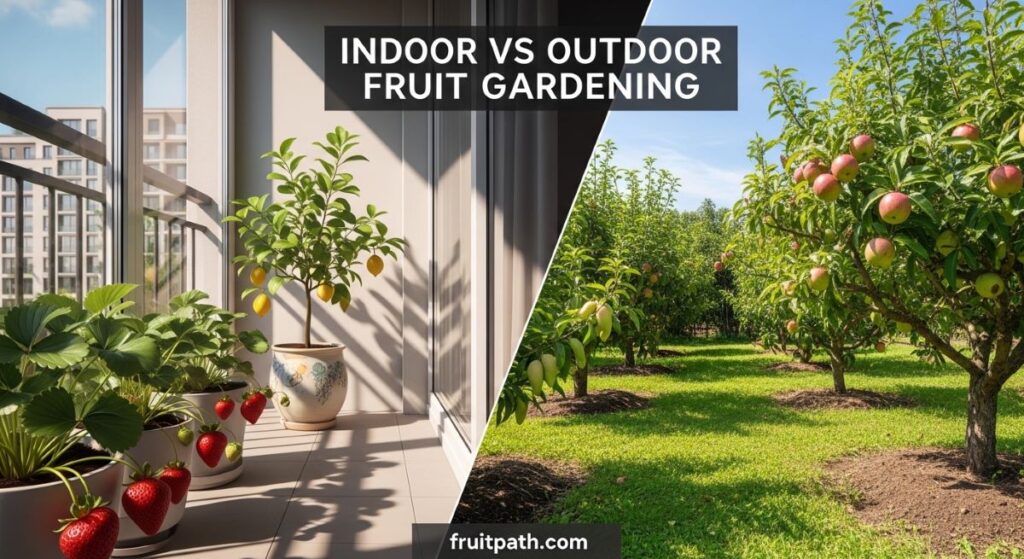
Many people believe that outdoor fruit gardening is always better than indoor fruit gardening. The reason is simple: outdoor plants receive natural sunlight, fresh air, and more space to grow. Because of this, many beginners assume fruits can only grow properly in gardens or farms.
However, this belief is not entirely true.
Today, many gardeners successfully grow fruits inside their homes, apartments, and balconies. With the right techniques, indoor fruit plants can grow healthy and even produce delicious fruit.
The truth is that indoor vs. outdoor fruit gardening is not about which method is better overall. Instead, it depends on your living space, climate, gardening experience, and personal goals.
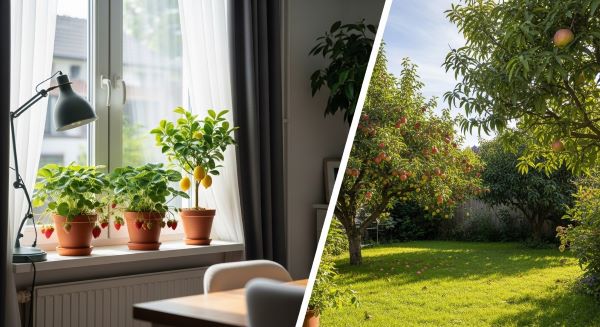
For example:
- Someone living in a small apartment might grow strawberries and lemons indoors.
- Someone with a backyard may plant apple trees or mango trees outdoors.
Both methods can work beautifully when done correctly.
In this detailed guide, we will explore indoor fruit gardening vs outdoor fruit gardening, compare their advantages and disadvantages, and help you decide which method is best for you.
By the end of this article, you will understand:
- The real difference between indoor fruit growing vs outdoor fruit growing
- Which fruits grow best indoors
- Which fruits need an outdoor space
- How beginners can start fruit gardening successfully
Let’s begin with indoor fruit gardening.
- What Is Indoor Fruit Gardening?
- Common Indoor Fruit Gardening Methods:
- Why Indoor Fruit Gardening Is Becoming Popular:
- What Is Outdoor Fruit Gardening?
- Common Outdoor Fruit Gardening Methods:
- Why Outdoor Fruit Gardening Is Still the Most Common:
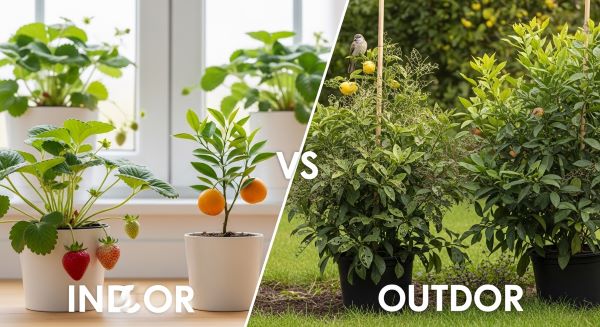
- Indoor vs Outdoor Fruit Gardening: Key Differences:
- Advantages of Indoor Fruit Gardening:
- Disadvantages of Indoor Fruit Gardening:
- Advantages of Outdoor Fruit Gardening:
- Disadvantages of Outdoor Fruit Gardening:
- Can Fruit Trees Grow Indoors vs Outside?
- Hybrid Strategy: Indoor + Outdoor Fruit Gardening:
- Final Verdict: Indoor vs Outdoor Fruit Gardening
- Frequently Asked Questions (FAQs):
What Is Indoor Fruit Gardening?
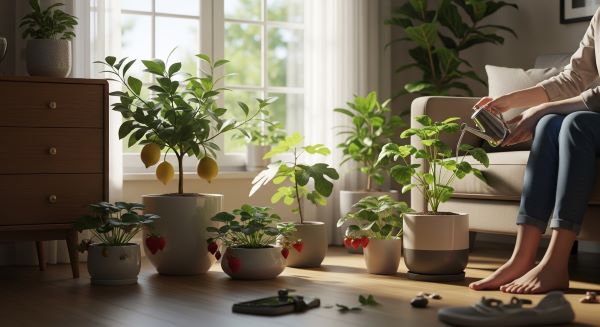
Indoor fruit gardening means growing fruit plants inside your home or in a protected indoor environment. This could be in places such as:
- kitchens.
- living rooms.
- sunrooms.
- balconies.
- greenhouses.
Instead of planting fruit trees in the ground, indoor gardeners usually grow plants in containers or pots. This method allows people with a minimum space in their sweet home to grow fruits successfully.
Indoor fruit gardening has become increasingly popular in recent years, especially among people living in cities.
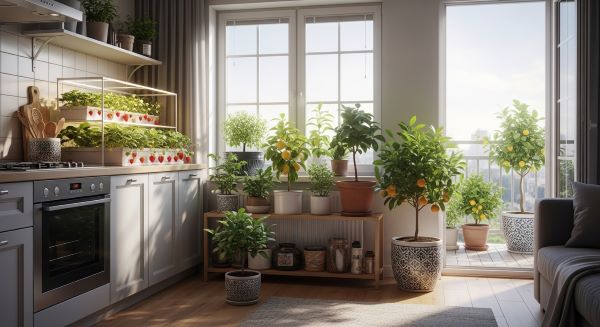
Common Indoor Fruit Gardening Methods:
There are several ways people grow fruit indoors. Each method has its own advantages depending on the available space and light.
Container Fruit Gardening:
Container fruit gardening is the most common indoor gardening method. In this technique, fruit plants grow in pots or containers instead of in the ground.
Containers can be made from:
- clay pots
- plastic pots
- ceramic containers
- wooden boxes
The biggest advantage of container fruit gardening is flexibility. You can move the plants easily to places where they receive better sunlight.
Containers also allow gardeners to control the soil quality, drainage, and nutrients.
Many fruits grow very well in containers, including:
- strawberries
- lemons
- figs
- dwarf apple trees
Container fruit gardening is also perfect for beginners because it is easier to manage compared to large outdoor gardens.
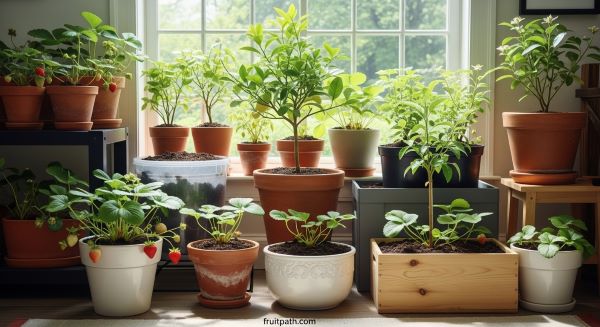
Window Gardening:
Another simple method is window gardening.
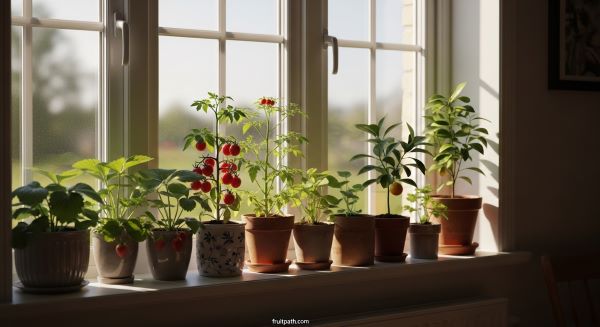
In this method, fruit plants are placed near sunny windows where they receive natural sunlight. Windows that face south or west usually provide the most sunlight.
Window gardening works well for small fruit plants such as:
- strawberries.
- cherry tomatoes.
- small citrus plants.
However, it is important to ensure the plant receives at least 6–8 hours of sunlight daily. If natural sunlight is limited, gardeners sometimes use grow lights.
Window gardening is perfect for people who want to grow fruit plants without using too much indoor space.
Why Indoor Fruit Gardening Is Becoming Popular:
Indoor gardening has become a popular hobby worldwide. Many people enjoy growing fruit plants inside their homes for practical and emotional reasons.
Limited Outdoor Space:
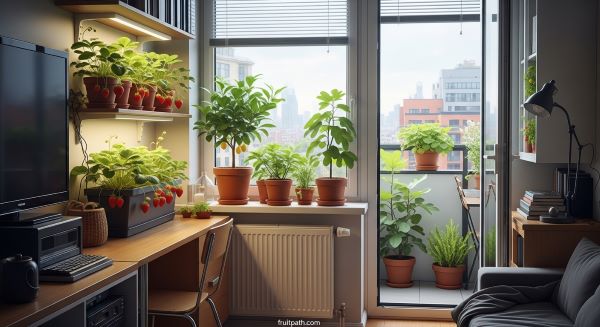
One of the biggest reasons people choose indoor fruit gardening is limited outdoor space.
Many people today live in apartments, condominiums, or houses without large gardens. In cities, outdoor land is often very limited.
Indoor gardening allows these people to grow fruit plants even without a backyard.
For example:
- Strawberries can grow in small pots.
- Lemons can grow in containers.
- dwarf figs grow well indoors.
This makes indoor fruit gardening ideal for urban living.
Year-Round Fruit Growing:
Outdoor gardening usually depends on the seasons. Many fruits grow only during certain times of the year.
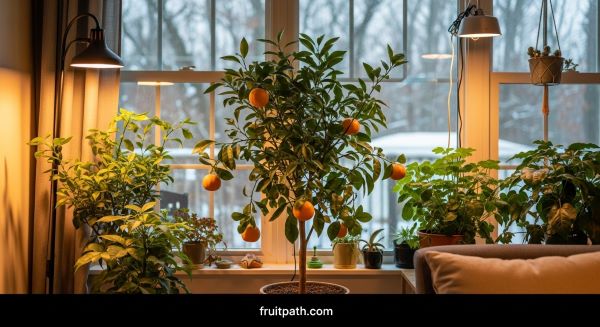
Indoor gardening can allow year-round fruit production because the environment is controlled.
When plants grow indoors, gardeners can manage:
- temperature.
- watering.
- lighting.
This allows some fruits to continue growing even during winter. For example, citrus plants can produce fruit indoors when outdoor temperatures are too cold.
Better Pest Control:
Pests can be a big problem in outdoor gardens. Insects, birds, and animals can sometimes damage fruit plants.
Indoor plants usually face fewer pest problems because they are protected inside the home.
While indoor pests can still appear occasionally, they are usually easier to manage compared to outdoor pests.
Decorative and Relaxing:
Indoor fruit plants also add beauty to a home. Green plants can make rooms feel fresh and lively.
Many people also find gardening very relaxing and enjoyable.
Taking care of plants can reduce stress and create a peaceful environment at home.
For these reasons, indoor fruit gardening is not only productive but also emotionally rewarding.
What Is Outdoor Fruit Gardening?
Outdoor fruit gardening is the traditional way of growing fruits outside in natural environments, such as:
- gardens.
- backyards.
- farms.
- orchards.
Plants grow directly in soil and receive natural sunlight, rainfall, and airflow.
Outdoor fruit gardening allows plants to grow much larger than indoor plants.
Common Outdoor Fruit Gardening Methods:
Outdoor gardening includes several different techniques.
Backyard Orchards:
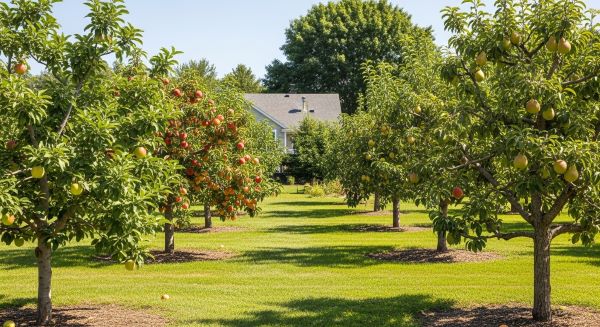
Many people plant fruit trees directly in their backyards.
Common backyard fruit trees include:
- apple trees.
- peach trees.
- mango trees.
- pear trees.
These trees can grow large and produce plenty of fruit every season.
Raised Bed Gardening:
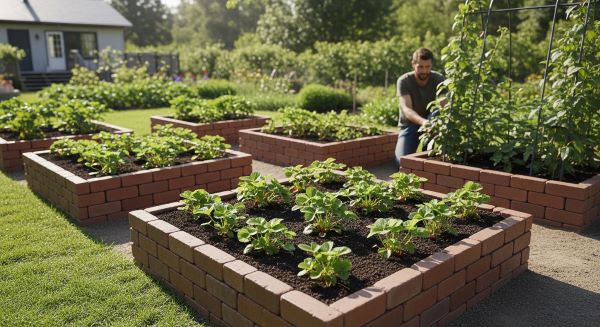
Raised bed gardening involves growing plants in soil beds that are slightly elevated above the ground.
Raised beds are usually built using wood, bricks, or metal frames.
This method has several advantages:
- improved soil drainage.
- better soil control.
- easier plant maintenance.
Many gardeners use raised beds to grow fruits like strawberries and berries.
Ground Planting:
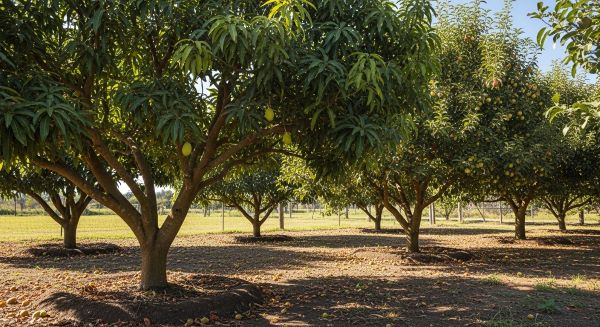
Ground planting is the simplest method of outdoor gardening.
Plants grow directly in natural soil without containers or raised beds.
This method works well for fruit trees that require deep roots and ample space.
Ground planting allows plants to spread naturally and absorb nutrients from the surrounding soil.
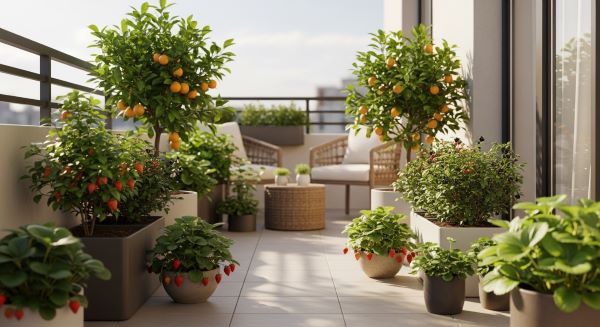
Patio Fruit Gardening:
Patio fruit gardening is a mix of indoor and outdoor gardening.
Plants grow in containers placed outside on:
- patios.
- balconies.
- terraces.
This method allows gardeners to enjoy outdoor sunlight while still using containers.
Many fruits, such as citrus plants, strawberries, and small berry bushes, grow well on patios.
Why Outdoor Fruit Gardening Is Still the Most Common:
Outdoor gardening remains the most common method because it offers several natural advantages.
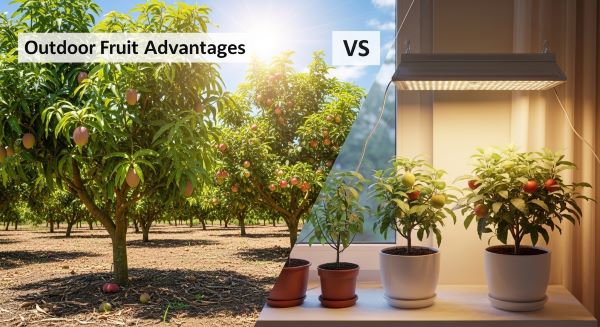
Natural Sunlight:
Sunlight is one of the most important factors for fruit growth.
Outdoor plants receive natural sunlight, which provides the energy needed for photosynthesis.
Strong sunlight helps plants produce healthy leaves, flowers, and fruits.
Indoor plants often need artificial lighting to achieve similar results.
Larger Growing Space:
Outdoor gardens provide much larger growing spaces than indoor environments.
Fruit trees can spread their roots deep into the soil and grow tall.
This allows them to produce larger fruits and higher yields.
Indoor plants are usually limited by container size and available space.
Cost and Setup:
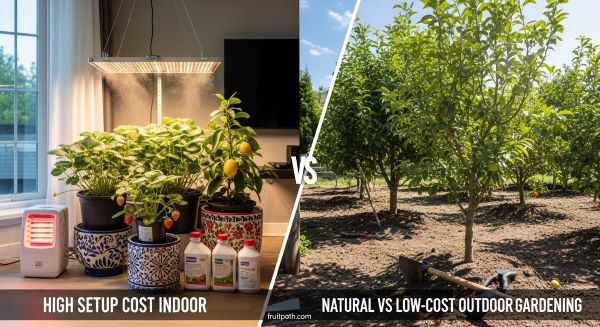
Another major difference between indoor and outdoor fruit gardening is the cost.
Indoor gardening often requires additional equipment such as:
- grow lights.
- plant containers.
- indoor fertilizers.
- humidity control systems.
Outdoor gardening usually costs less because it uses natural resources like sunlight, rainwater, and soil. This makes outdoor gardening more affordable for many people.
Indoor vs Outdoor Fruit Gardening: Key Differences:
Climate Control:
Indoor gardening allows gardeners to control the environment.
They can adjust:
- temperature.
- humidity.
- watering.
- lighting.
This control helps plants grow even when outdoor weather conditions are unfavorable. Outdoor gardening depends entirely on natural climate conditions. If the weather becomes too hot, cold, or dry, plants may struggle.
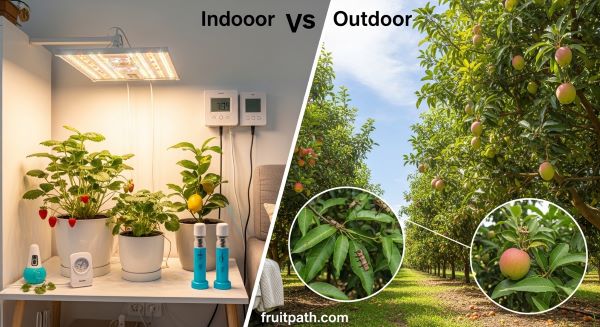
Pest and Disease Control:
Pests and diseases are common problems in outdoor gardens. Insects, fungi, and animals can damage fruit plants.
Indoor plants usually experience fewer pest problems because they are protected inside. However, indoor plants can still suffer from pests if proper care is not taken.
Yield and Fruit Size:
Outdoor fruit plants usually produce larger harvests and bigger fruits.
This happens because they have more sunlight, soil, and space to grow.
Indoor plants can still produce fruit, but the harvest is usually smaller.
Indoor gardening is often better suited for personal consumption than for large-scale production.
Advantages of Indoor Fruit Gardening:
Indoor fruit gardening offers several unique advantages.
Year-Round Growing:
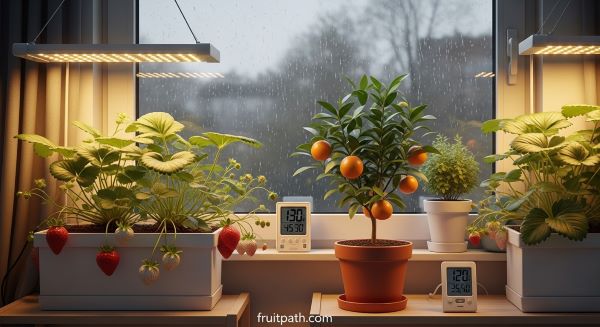
One of the biggest advantages is the possibility of year-round fruit production. By controlling temperature and lighting, gardeners can keep plants growing even during winter.
Protection From Weather:
Indoor plants are protected from harsh weather conditions such as:
- storms.
- strong winds.
- extreme heat.
- frost.
This protection helps plants stay healthy.
Fewer Pest Problems:
Indoor plants face fewer threats from insects, birds, and animals.
This makes plant care easier for beginners.
Disadvantages of Indoor Fruit Gardening:
Despite its benefits, indoor gardening has some challenges.
Limited Space:
Indoor spaces are usually small.
Large fruit trees cannot grow properly indoors unless they are dwarf varieties.
Higher Setup Cost:
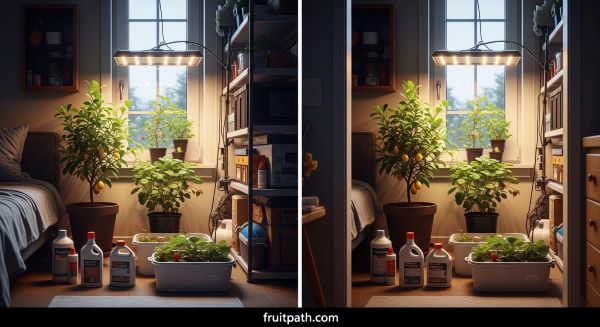
Indoor gardening often requires equipment like grow lights, containers, and fertilizers. This increases the initial cost.
Light Limitations:
Natural sunlight indoors may not always be strong enough for fruit plants.
Without enough light, plants may grow slowly or fail to produce fruit.
Advantages of Outdoor Fruit Gardening:
Outdoor fruit gardening also has many benefits.
Natural Growing Environment:
Outdoor plants grow in natural conditions with fresh air and sunlight.
This environment supports strong plant development.
Higher Fruit Production:
Outdoor fruit trees often produce larger harvests compared to indoor plants.
Lower Equipment Costs:
Outdoor gardening usually requires fewer tools and equipment.
Nature provides sunlight, rainfall, and airflow.
Greater Variety of Fruits:
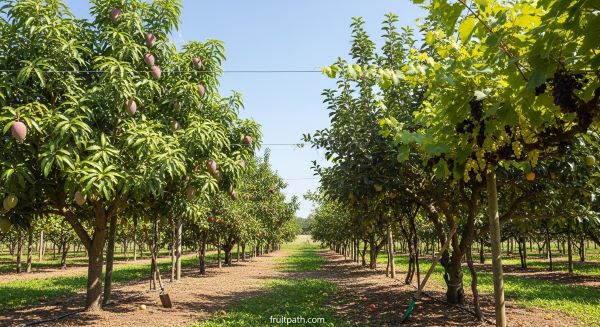
Many fruit plants require outdoor space to grow properly.
Examples include mango trees, apple trees, and grape vines.
Disadvantages of Outdoor Fruit Gardening:
Outdoor gardening also has some drawbacks.
Weather Risks:
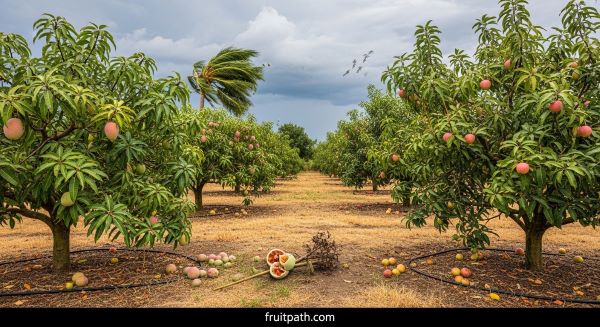
Storms, drought, frost, and extreme heat can damage plants.
Pest Problems:
Outdoor plants are exposed to insects, birds, and animals. These pests may eat fruits or damage plants.
Many outdoor fruits are only harvested during specific seasons. This limits their availability throughout the year.
Can Fruit Trees Grow Indoors vs Outside?
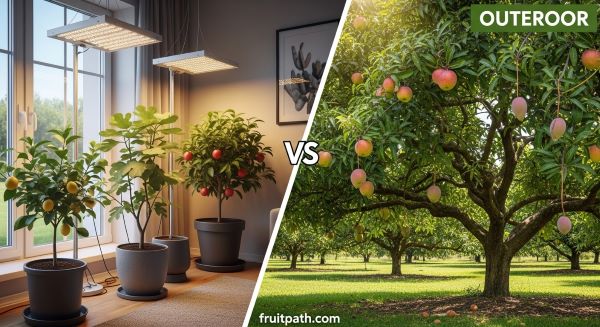
Yes, fruit trees can grow indoors if they are dwarf varieties.
Dwarf fruit trees are specially designed to stay small while still producing fruit.
Examples include:
- dwarf lemon trees.
- dwarf fig trees.
- dwarf apple trees.
Indoor fruit trees require:
- strong sunlight or grow lights.
- proper watering.
- well-drained soil.
- regular pruning.
Outdoor fruit trees usually grow much larger and produce more fruit.
However, indoor fruit trees are still excellent for people with limited space.
Hybrid Strategy: Indoor + Outdoor Fruit Gardening:
Many experienced gardeners use a hybrid strategy that combines indoor and outdoor gardening.
This approach offers the best of both worlds.
For example:
- Seeds can be started indoors during winter.
- Plants can be moved outdoors in the spring.
- Plants can be brought back indoors during cold weather.
This method allows gardeners to extend the growing season and protect plants from extreme conditions.
Hybrid gardening is becoming increasingly popular among modern gardeners.
Final Verdict: Indoor vs Outdoor Fruit Gardening
Both methods can be successful depending on your situation.
Choose indoor fruit gardening if:
- You live in an apartment.
- You have limited outdoor space.
- You enjoy indoor plants.
Choose outdoor fruit gardening if:
- You have a backyard.
- You want large harvests.
- You prefer natural growing conditions.
Many gardeners eventually combine both methods for the best results.
Frequently Asked Questions (FAQs):
Is indoor fruit gardening better than outdoor gardening?
Indoor gardening is ideal for small spaces and controlled environments, while outdoor gardening usually produces larger plants and bigger harvests.
What fruits grow best indoors?
Lemons, strawberries, dwarf figs, and pineapples are among the best fruits for indoor growing.
Can fruit trees grow indoors?
Yes, dwarf fruit trees can grow indoors if they receive enough sunlight and proper care.
Is outdoor fruit gardening cheaper?
Yes. Outdoor gardening usually costs less because it relies on natural sunlight and soil.
Can you grow fruits indoors all year?
Yes. With proper lighting and temperature control, some fruits can be grown indoors year-round.