
- Description
- Can This High-Protein Cottage Cheese Pizza Crust Support Weight Loss Goals?
- Does High-Protein Cottage Cheese Pizza Crust Fit a High-Protein Lifestyle?
- My Personal Experience
- Perfect For
- Why You’ll Love This Recipe
- Common Mistakes to Avoid
- Required Equipment
- Storage Instructions
- Recipe Details
- Short Description
- 📝 Ingredients
- Directions
- Nutrition Facts — Per Serving (Approximate)
- Notes
- Frequently Asked Questions
Description
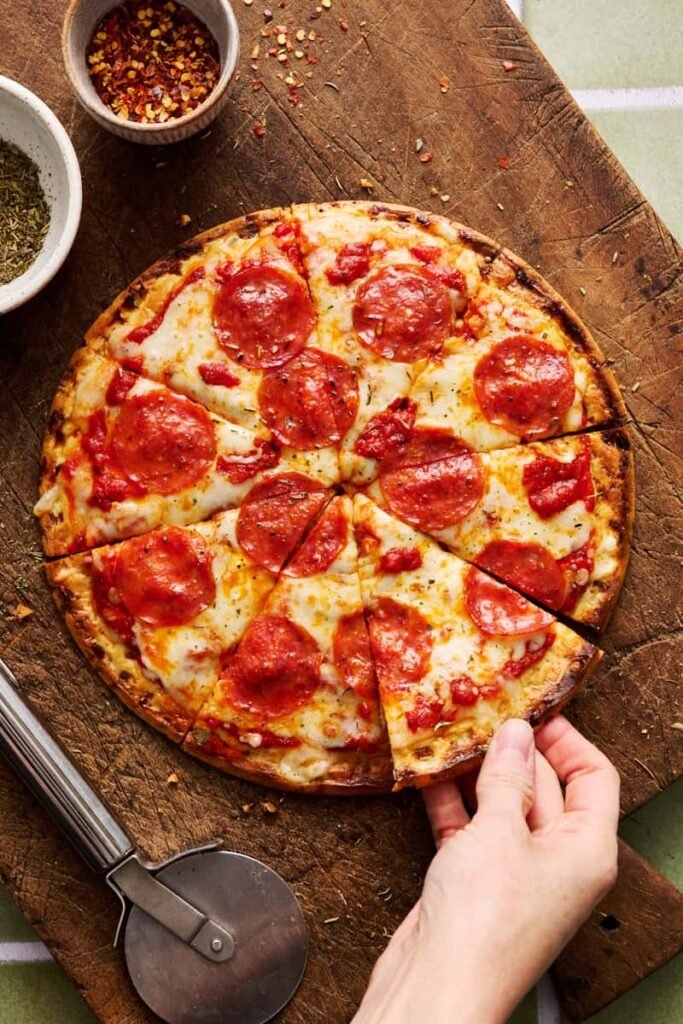
This High-Protein Cottage Cheese Pizza Crust is crispy around the edges, tender in the center, and packed with cheesy flavor. Cottage cheese adds protein while helping create a satisfying pizza base without traditional yeast dough.
It is an easy choice for high-protein, lower-carb meals and can be topped with your favorite vegetables, lean meats, or a little extra cheese.
With simple ingredients and no yeast, this crust makes homemade pizza night quick, delicious, and satisfying.
Can This High-Protein Cottage Cheese Pizza Crust Support Weight Loss Goals?
It can fit into a balanced weight-conscious eating pattern because it provides a good amount of protein in a relatively simple serving. Protein can help make meals more satisfying, while using cottage cheese as a main ingredient gives the crust a protein boost compared with many traditional pizza bases.
Portion size and toppings still matter, since calories can increase depending on the cheese, sauces, and toppings you add.
Does High-Protein Cottage Cheese Pizza Crust Fit a High-Protein Lifestyle?
Yes, this pizza crust is a convenient option for a high-protein lifestyle because cottage cheese and egg provide protein while keeping the ingredient list simple. The crust contains approximately 5–6 g net carbs per serving, depending on the exact ingredients and serving size. It works especially well when paired with lean chicken, turkey, vegetables, or other protein-rich toppings. For a lower-carb meal, choose toppings and sauces with minimal added carbohydrates.
My Personal Experience
- The edges become nicely golden and crisp.
I especially like how the crust develops a lightly crisp outside while remaining softer in the middle. - Cottage cheese keeps the crust satisfying.
The cheesy base gives this pizza a richer texture than many lighter homemade crusts. - It works well with different toppings.
I love using lean chicken, turkey pepperoni, mushrooms, peppers, or spinach depending on what I have available. - It makes pizza night much easier.
Since there is no yeast or lengthy dough-rising process, the crust can be prepared quickly.
Perfect For
- High-protein meals
- Low-carb recipes
- High-protein snacks
- Easy breakfast pizzas
- Quick lunch or dinner
- Meal-prep friendly recipes
- Keto-style meal plans
- Healthy pizza alternatives
- Busy weeknight cooking
Why You’ll Love This Recipe
- High in protein
Cottage cheese and egg help give the crust a protein boost while keeping the recipe simple. - No yeast required
There is no waiting for dough to rise, making this a convenient homemade pizza option. - Crispy and cheesy
Baking at a hot temperature helps the edges brown while the cheese adds savory flavor. - Easy to customize
Add your favorite vegetables, lean proteins, herbs, or low-carb pizza toppings. - Simple ingredients
You only need a handful of everyday ingredients to create the base.
Common Mistakes to Avoid
- Using very wet cottage cheese — Excess moisture can make the crust difficult to crisp, so drain watery cottage cheese when necessary.
- Making the crust too thick — A thick layer may remain soft in the center instead of becoming nicely crisp.
- Adding toppings too early — Bake the crust first so it becomes firm enough to support your toppings.
- Removing it before it browns — Look for golden edges and a firm center before adding toppings or finishing the pizza.
Required Equipment
- Food processor or blender — Creates a smoother cottage-cheese mixture.
- Mixing bowl — Makes combining the ingredients easy.
- Baking sheet — Provides a flat surface for shaping and baking the crust.
- Parchment paper — Helps prevent the crust from sticking.
- Spatula — Makes spreading and lifting the crust easier.
- Oven — Provides the high heat needed for browning and crisping.
Storage Instructions
Allow the baked crust to cool completely before storing. Place leftovers in an airtight container or wrap individual portions tightly and refrigerate for up to 3–4 days.
For longer storage, freeze the cooled crust between sheets of parchment paper in a freezer-safe bag or container for up to 2 months. Thaw in the refrigerator before reheating.
For the best texture, reheat in an oven or air fryer at 350°F (175°C) until hot and crisp. Avoid microwaving for too long because it can make the crust softer.
Recipe Details
Preparation Time: 10 minutes
Cooking Time: 25–30 minutes
Total Time: 35–40 minutes
Servings: 4
Best Season: All-season
Total Calories: Approximately 155 calories per serving before pizza toppings
Short Description
A crispy, cheesy pizza crust made with cottage cheese and egg for an easy protein boost.
This yeast-free crust is simple, satisfying, and perfect for low-carb pizza nights.
Add your favorite toppings for a quick homemade high-protein meal.
📝 Ingredients
- 1 cup cottage cheese — full-fat or 2% works well; drain excess liquid if very watery
- 1 cup shredded mozzarella cheese
- 2 large eggs
- 1/2 cup almond flour
- 1/2 teaspoon garlic powder
- 1/2 teaspoon Italian seasoning
- 1/4 teaspoon salt
- 1/4 teaspoon black pepper
Optional Toppings
- Low-sugar pizza sauce
- Shredded mozzarella
- Cooked chicken
- Turkey pepperoni
- Mushrooms
- Bell peppers
- Spinach
- Red onion
- Fresh basil
Directions
- Preheat the oven.
Heat the oven to 425°F (220°C). Line a baking sheet with parchment paper. - Blend the wet ingredients.
Add cottage cheese and eggs to a blender or food processor. Blend until mostly smooth and creamy. - Combine the dry ingredients.
In a bowl, mix almond flour, garlic powder, Italian seasoning, salt, and black pepper. - Make the batter.
Pour the blended cottage-cheese mixture into the dry ingredients and stir until evenly combined. The mixture should be thick and spreadable. - Shape the crust.
Transfer the mixture onto the parchment-lined baking sheet. Spread it into an even circle or rectangle about 1/4-inch thick. Keep the center slightly thinner than the edges if desired. - First bake.
Bake at 425°F (220°C) for 18–22 minutes, or until the surface looks set and the edges are golden brown. - Check the texture.
The crust should feel firm when gently touched and should have noticeably browned edges before adding toppings. - Add toppings.
Spread a thin layer of pizza sauce over the crust and add mozzarella plus your preferred protein-rich toppings. - Finish baking.
Return the pizza to the oven for another 5–8 minutes, until the cheese is melted and bubbling. - Optional crisping step.
For extra-crispy edges, switch to broil/high heat for 1–2 minutes, watching carefully so the cheese does not burn. - Rest before slicing.
Let the pizza rest for 3–5 minutes. This helps the crust firm up and makes slicing easier.
High-Protein Cooking Tips
Use cottage cheese with a higher protein content when available, and choose lean protein toppings such as cooked chicken or turkey. Avoid piling on too many wet toppings because excess moisture can soften the crust.
Nutrition Facts — Per Serving (Approximate)
Based on the crust recipe divided into 4 servings and without optional toppings.
- Calories: ~155 kcal
- Fat: ~8 g
- Cholesterol: ~105 mg
- Sodium: ~320 mg
- Potassium: ~120 mg
- Total Carbohydrates: ~7 g
- Fiber: ~2 g
- Net Carbs: ~5 g
- Sugars: ~2 g
- Protein: ~12 g
- Calcium: ~145 mg
Nutrition values are approximate and can vary depending on the cottage cheese, mozzarella, almond flour, and other brands used.
Notes
- Storage: Refrigerate leftovers in an airtight container for 3–4 days or freeze for up to 2 months.
- Reheating: Oven or air fryer reheating gives the crust a crispier texture than microwaving.
- Allergy note: This recipe contains dairy, eggs, and almonds. Use an appropriate nut-free flour alternative only if it works with the recipe’s texture.
- Flavor boost: Add red pepper flakes, extra Italian seasoning, fresh basil, oregano, or a little grated Parmesan.
- For extra protein: Top with grilled chicken, lean turkey, or turkey pepperoni.
- For lower carbs: Use a low-sugar pizza sauce and choose low-carb toppings.
Frequently Asked Questions
1. Can I make this crust without almond flour?
Yes, but changing the flour can alter the texture and moisture, so the amount may need adjustment.
2. Do I need to drain the cottage cheese?
Only if your cottage cheese contains a lot of excess liquid; reducing moisture helps the crust become firmer.
3. Why is my crust soft in the middle?
It may be too thick or underbaked, so spread it thinner and bake until the center is fully set.
4. Can I freeze cottage cheese pizza crust?
Yes, cool it completely and freeze it between sheets of parchment paper in an airtight freezer-safe container.
5. What toppings work best for a high-protein pizza?
Cooked chicken, lean turkey, turkey pepperoni, cottage cheese, and moderate amounts of mozzarella are convenient protein-rich options.
6. Can I make the crust extra crispy?
Yes, bake the crust until deeply golden before adding toppings and finish it briefly under the broiler while watching closely.