
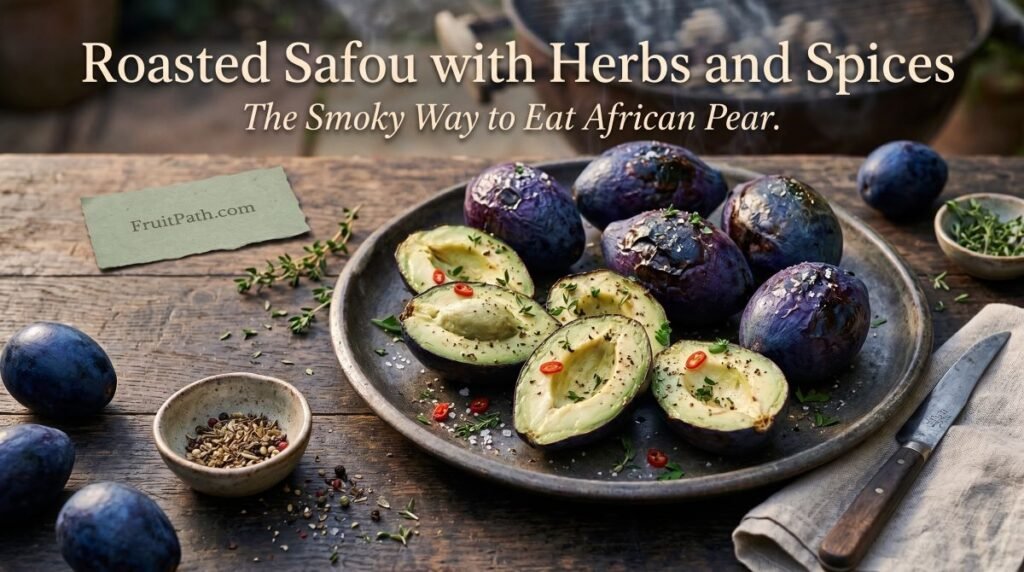
If boiled Safou is the classic version, roasted Safou is the flavor-packed upgrade. This is the same style you will find sold on street corners in Lagos alongside roasted corn, and it brings out a smoky, nutty depth you don’t get from boiling. Adding fresh herbs and a light spice rub takes it one step further, turning a humble street snack into something you will want to make again and again.
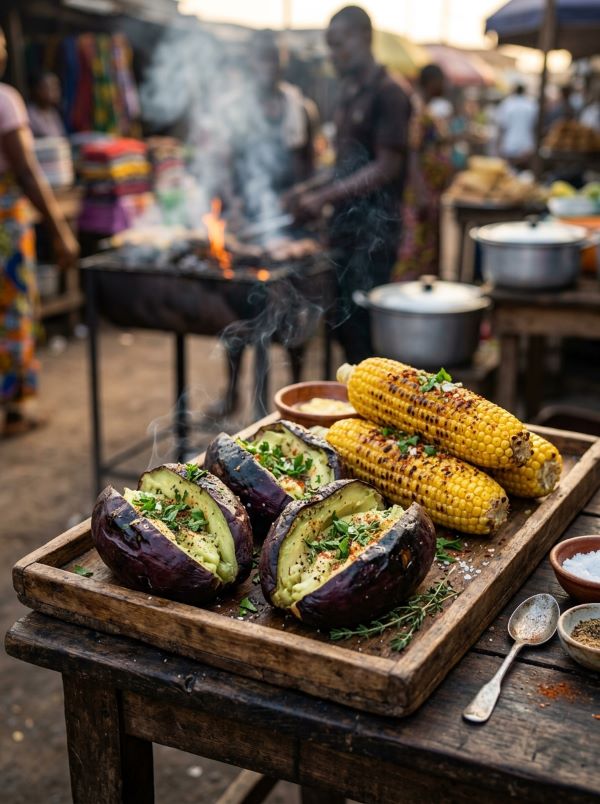
Why You Will Love This Recipe:
- Smoky, charred flavor you can’t get any other way.
- Takes about 15 minutes, mostly hands-off.
- Naturally dairy-free and packed with healthy fats.
- Works as a snack, side dish, or light appetizer.
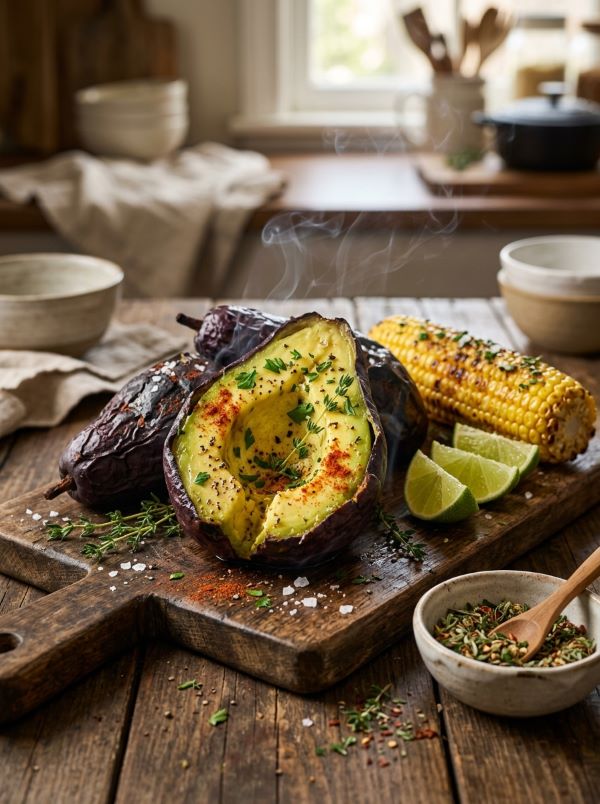
- Ingredients:
- 6–8 ripe Safou fruits
- 1 tbsp olive oil or melted palm oil
- 1 tsp salt
- ½ tsp ground black pepper
- ½ tsp smoked paprika (optional, for extra smokiness)
- 1 sprig fresh rosemary or thyme, roughly chopped
- 1 clove garlic, minced
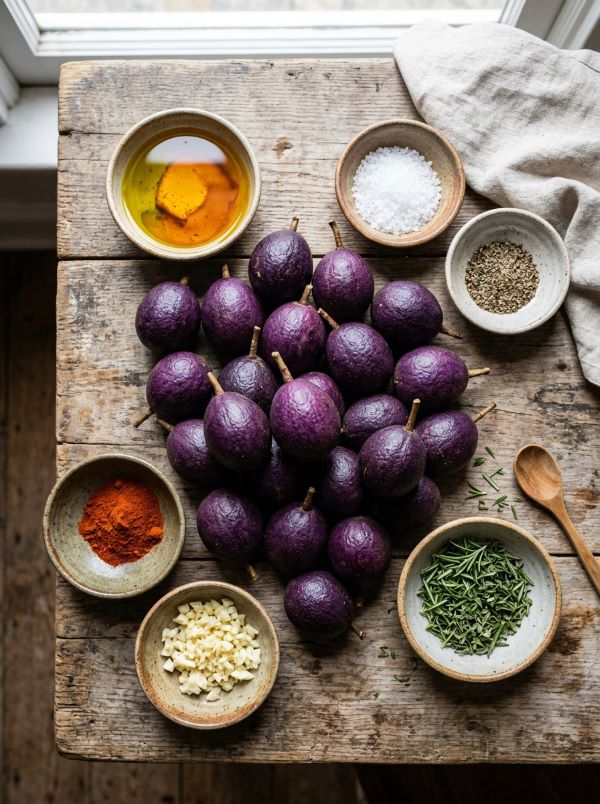
Step-by-Step Instructions:
Step 1: Wash and dry. Rinse the Safou fruits and pat them completely dry with a clean towel — this helps them char properly instead of steaming.
Step 2: Make the herb rub. In a small bowl, mix the olive oil, salt, pepper, smoked paprika, chopped rosemary or thyme, and minced garlic into a light paste.
Step 3: Coat the fruit. Rub the mixture evenly over the skin of each Safou fruit.
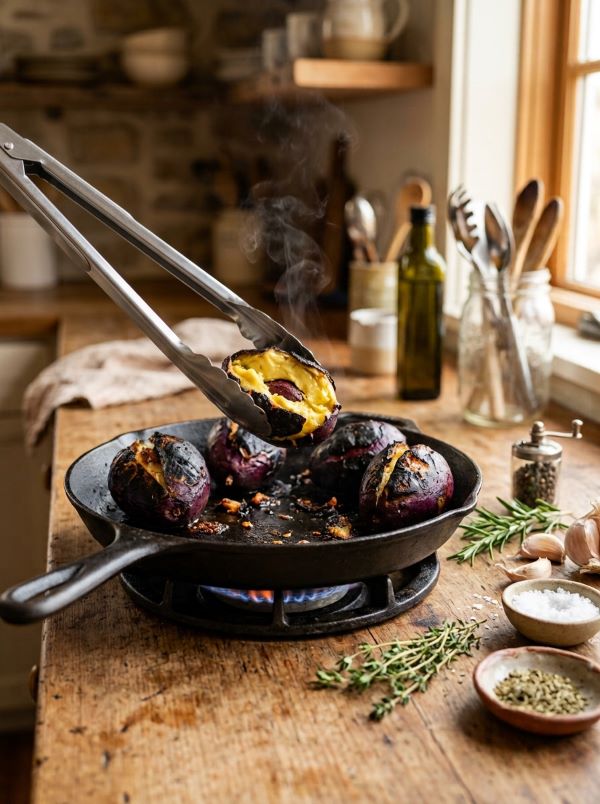
Step 4: Roast. Place the fruits directly on a dry, hot pan (or over hot charcoal, if you have access to a grill) and roast for 6–8 minutes, turning every couple of minutes, until the skin is lightly charred and blistered on all sides.
Step 5: Rest, peel, and serve. Let the fruit cool for a minute, then peel back the skin, remove the large seed, and serve the smoky, tender flesh warm with a final pinch of salt.
Tips for the Best Roasted Safou:
- Keep the heat medium-high, not blazing — you want char, not burnt skin with a raw center.
- Turning the fruit regularly ensures even roasting on all sides.
- If you don’t have fresh herbs on hand, a pinch of dried rosemary or thyme works just as well.
FAQ:
Do I need a grill to roast Safou?
No — a regular dry pan on your stovetop works just as well as charcoal, though charcoal will add a slightly deeper smoky flavor.
Why is my roasted Safou still firm in the middle?
This usually means it needs a bit longer over the heat, or the fruit wasn’t fully ripe to begin with. Ripe, purple-skinned Safou roasts faster and more evenly.
New to this fruit? Start with our complete guide to Safou (African Butter Pear) to learn how to pick, store, and understand this rare superfruit before you cook it.
Check out our recipe for boiled safou: Boiled Safou with Palm Oil Sauce: A Simple Traditional Recipe:
Is pear good for ladies?
Yes. Both common pears and African pears can be part of a healthy diet for women. Common pears provide dietary fiber, which supports digestion, while African pear (safou) contains beneficial fats and nutrients. African pear also provides minerals and plant compounds that contribute to a balanced diet. However, its nutritional profile differs from that of ordinary pears. Neither fruit has special benefits exclusive to women, and both are best enjoyed as part of a varied, balanced diet.
What are some popular herbs and spices from Africa?
African cuisine features a wide variety of herbs and spices that add flavor, aroma, and color to traditional dishes. Popular examples include:
- Uziza: A Nigerian spice with a peppery flavor, used in soups and stews.
- Ehuru (African nutmeg): A warm, aromatic spice often used in Nigerian soups.
- Grains of Selim: An aromatic spice used in West and Central African cooking.
- Calabash nutmeg: A fragrant spice used in several West African dishes.
- Ginger: Commonly used in marinades, sauces, teas, and stews.
- African bird’s-eye chili: Adds intense heat to sauces and savory dishes.
- Thyme: Widely used to season meat, fish, rice, and vegetables.
- Cloves: Add a warm, distinctive flavor to spice blends and traditional recipes.
For roasted safou, you can experiment with thyme, black pepper, chili, garlic, and a little salt. Choose seasonings that complement the fruit’s naturally rich, buttery texture without overpowering it.
3. What are the benefits of eating African pears?
African pear (Dacryodes edulis), also called safou or bush pear, provides several nutrients that can contribute to a balanced diet.
- Provides healthy fats: The fruit’s flesh contains fats that contribute energy and help make meals satisfying.
- Contains dietary fiber: Fiber supports normal digestion and bowel regularity.
- Supplies essential nutrients: African pear contains minerals, including potassium and calcium, although amounts vary with variety and preparation.
- Contains plant compounds: The fruit contains naturally occurring compounds with antioxidant activity.
- Adds variety to meals: Its distinctive creamy texture and savory flavor make it an interesting alternative to more familiar fruits.
Roasting safou softens its flesh and enhances its flavor. Avoid excessive charring, and remember that its nutritional value depends on portion size and cooking method. Although African pear contains beneficial nutrients, more research is needed to establish specific medicinal effects in humans.
What are the different types of African pear?
The name African pear most commonly refers to Dacryodes edulis, a tropical fruit tree native to parts of West and Central Africa. The fruit is also known as safou, bush pear, and butterfruit.
Safou fruits vary in size, shape, skin color, and flesh characteristics. Commonly described forms include:
- Purple or dark-skinned safou: Fruits with deep purple, blue-purple, or nearly black skin when ripe.
- Green-skinned safou: Fruits that retain greenish skin or show green tones depending on their variety and maturity.
- Different flesh types: The flesh may vary in color, thickness, oiliness, and texture.
These are descriptive differences rather than a universally standardized list of separate species. African pear is also sometimes confused with other tropical fruits called bush pear or wild pear, so the botanical name is useful when identifying it.
What is the Nigerian ube fruit?
In Nigerian food culture, ube commonly refers to the African pear, scientifically known as Dacryodes edulis. It is especially popular in southeastern Nigeria, where it is often eaten with roasted or boiled corn.
When heated, the firm flesh of ube becomes softer, creamy, and buttery, making it a popular seasonal snack. Some people enjoy it with a little salt, while others prefer it plain alongside corn.
Ube is different from the purple yam also called ube in Filipino cuisine. The Nigerian fruit is an African tree fruit with dark purple or blue-purple skin and a soft, oil-rich interior when warmed. Roasting it with herbs and spices offers another flavorful way to enjoy this traditional African food.