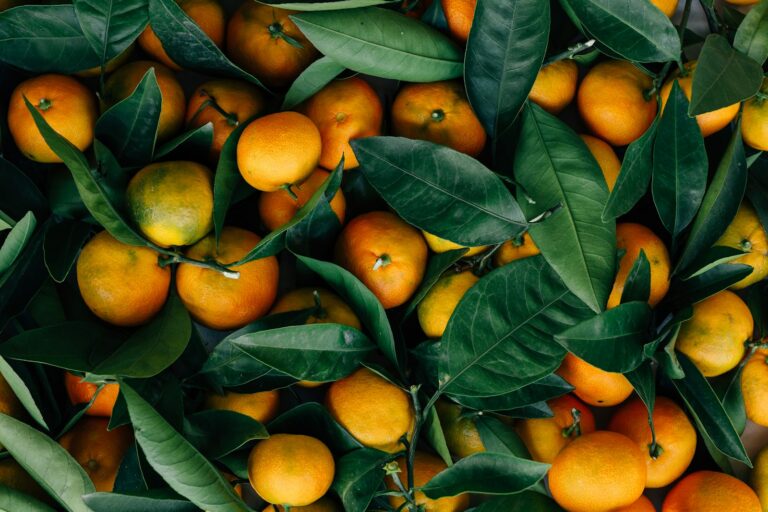
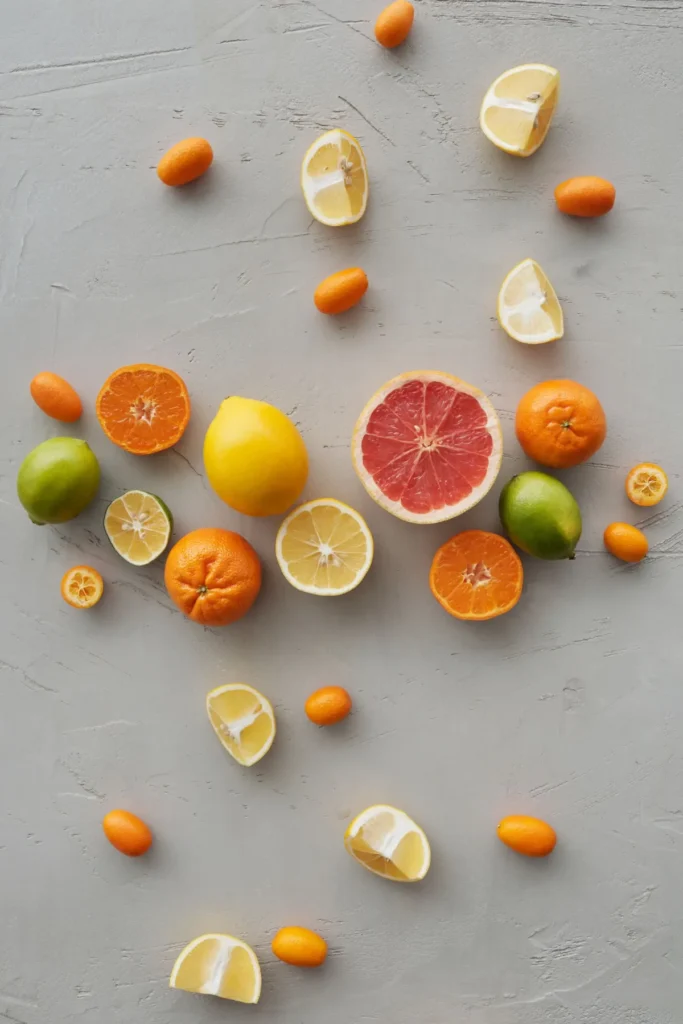
Every orange, lemon and lime you have ever eaten comes from just three wild ancestors: the mandarin, the pomelo and the citron. Mix them over a few thousand years, add a few wild cousins, and you get the dozens of types of citrus fruits sold around the world today.
This guide lists more than 30 types of citrus fruits, with pictures, taste and season. They are grouped into six families, so you can see at a glance how a clementine relates to a tangerine, or a lemon to a lime.
Quick Answer: Citrus fruits are the fruits of the Citrus genus, a group of flowering trees in the rue family (Rutaceae). The main types of citrus fruits are oranges (navel, Valencia, blood, Cara Cara), mandarins (clementine, satsuma, tangerine, kinnow), lemons and limes (Eureka lemon, Meyer lemon, Persian lime, key lime), grapefruit and pomelo, small citrus such as kumquat and calamondin, and rare citrus such as yuzu, citron, Buddha’s hand and finger lime. Almost all of them descend from three ancestors: mandarin, pomelo and citron.
What makes a fruit a citrus fruit?
A citrus fruit is a special kind of berry called a hesperidium. It has a tough, oily peel with a fragrant outer layer (the zest), a white spongy layer underneath (the pith, or albedo), and juicy segments filled with tiny juice sacs.
The genus started in the southeastern foothills of the Himalayas, around today’s Assam, northern Myanmar and western Yunnan, about 8 million years ago, according to a 2018 genome study in Nature. Most citrus we eat today are hybrids. The same study shows that the lemon is a cross of sour orange and citron, and grapefruit is a cross of pomelo and sweet orange.
All citrus fruits at a glance
This table lists 34 citrus fruits with their family, scientific name, taste and main season. Seasons are for the Northern Hemisphere; in the Southern Hemisphere, shift them by about six months. For a month-by-month view, see when citrus fruits are in season.
| Citrus fruit | Family | Scientific name | Taste | Main season |
|---|---|---|---|---|
| Navel orange | Oranges | Citrus sinensis | Sweet, seedless | Nov–Mar |
| Valencia orange | Oranges | Citrus sinensis | Sweet, very juicy | Mar–Sep |
| Blood orange | Oranges | Citrus sinensis | Sweet, berry-like | Dec–Apr |
| Cara Cara orange | Oranges | Citrus sinensis | Very sweet, low acid | Dec–Apr |
| Sour (Seville) orange | Oranges | Citrus × aurantium | Sour, bitter | Dec–Feb |
| Bergamot orange | Oranges | Citrus bergamia | Sour, perfumed | Nov–Mar |
| Mandarin | Mandarins | Citrus reticulata | Sweet | Nov–Mar |
| Clementine | Mandarins | Citrus × clementina | Sweet, seedless | Nov–Jan |
| Satsuma | Mandarins | Citrus unshiu | Sweet, mild | Oct–Dec |
| Tangerine | Mandarins | Citrus reticulata | Sweet-tart | Nov–Feb |
| Kinnow | Mandarins | C. nobilis × C. deliciosa | Sweet, juicy, seedy | Dec–Feb |
| Sumo (Dekopon) | Mandarins | Mandarin hybrid | Very sweet | Jan–Apr |
| Tangor (Murcott) | Mandarins | C. reticulata × C. sinensis | Sweet, rich | Jan–Apr |
| Lemon (Eureka, Lisbon) | Lemons & limes | Citrus limon | Very sour | All year |
| Meyer lemon | Lemons & limes | Citrus × meyeri | Mildly sour, floral | Dec–Apr |
| Persian lime | Lemons & limes | Citrus × latifolia | Sour | All year |
| Key lime | Lemons & limes | Citrus × aurantiifolia | Sour, aromatic | All year |
| Makrut (kaffir) lime | Lemons & limes | Citrus hystrix | Bitter; leaves used | All year |
| Rangpur lime | Lemons & limes | Citrus × limonia | Very sour | Winter |
| Sweet lime (mosambi) | Lemons & limes | Citrus limetta | Mild, low acid | Winter |
| Galgal (hill lemon) | Lemons & limes | Citrus pseudolimon | Very sour | Winter |
| Grapefruit | Grapefruit & pomelo | Citrus × paradisi | Bitter-sweet | Nov–Jun |
| Pomelo | Grapefruit & pomelo | Citrus maxima | Mild, sweet | Nov–Mar |
| Oroblanco | Grapefruit & pomelo | Pomelo × grapefruit | Sweet, no bitterness | Dec–Mar |
| Tangelo (Minneola) | Grapefruit & pomelo | Citrus × tangelo | Sweet-tart | Dec–Mar |
| Ugli fruit | Grapefruit & pomelo | Tangelo | Sweet, juicy | Dec–Apr |
| Kumquat | Small citrus | Citrus japonica | Sweet peel, sour flesh | Nov–Mar |
| Calamondin | Small citrus | Citrus × microcarpa | Sour | All year |
| Limequat | Small citrus | Kumquat × key lime | Sour, edible peel | Winter |
| Citron | Rare citrus | Citrus medica | Mild; thick peel | Oct–Jan |
| Buddha’s hand | Rare citrus | C. medica var. sarcodactylis | No pulp; fragrant peel | Nov–Jan |
| Yuzu | Rare citrus | Citrus junos | Tart, floral | Oct–Dec |
| Sudachi | Rare citrus | Citrus sudachi | Sour, limey | Aug–Oct |
| Finger lime | Rare citrus | Citrus australasica | Tart “citrus caviar” | Summer–autumn |
Season months are typical market seasons and vary by country and variety.
List of citrus fruits with pictures
The 34 citrus fruits below are grouped into six families, each with a picture, a short description and how people use it. Photos are from Pexels; where no real photo was available, we use a clearly labelled AI illustration.
1. Oranges
Sweet oranges are a mandarin–pomelo mix, and they are the world’s most grown citrus.
Navel orange
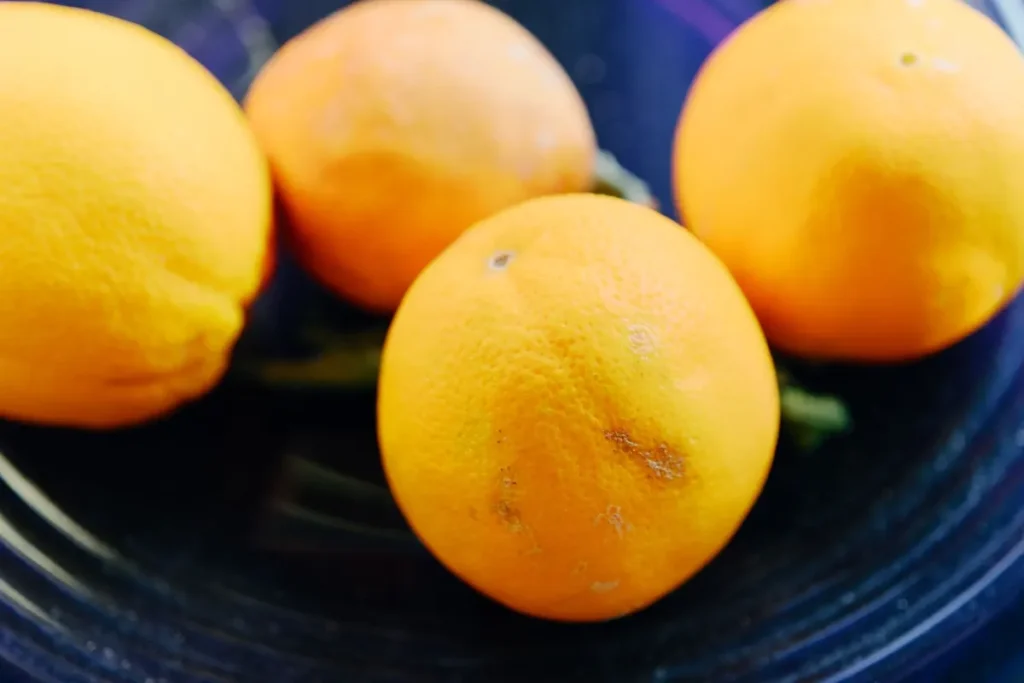
Named for the small second fruit that forms a “navel” at the bottom. Seedless, easy to peel and best eaten fresh, because its juice turns bitter if it sits.
Valencia orange
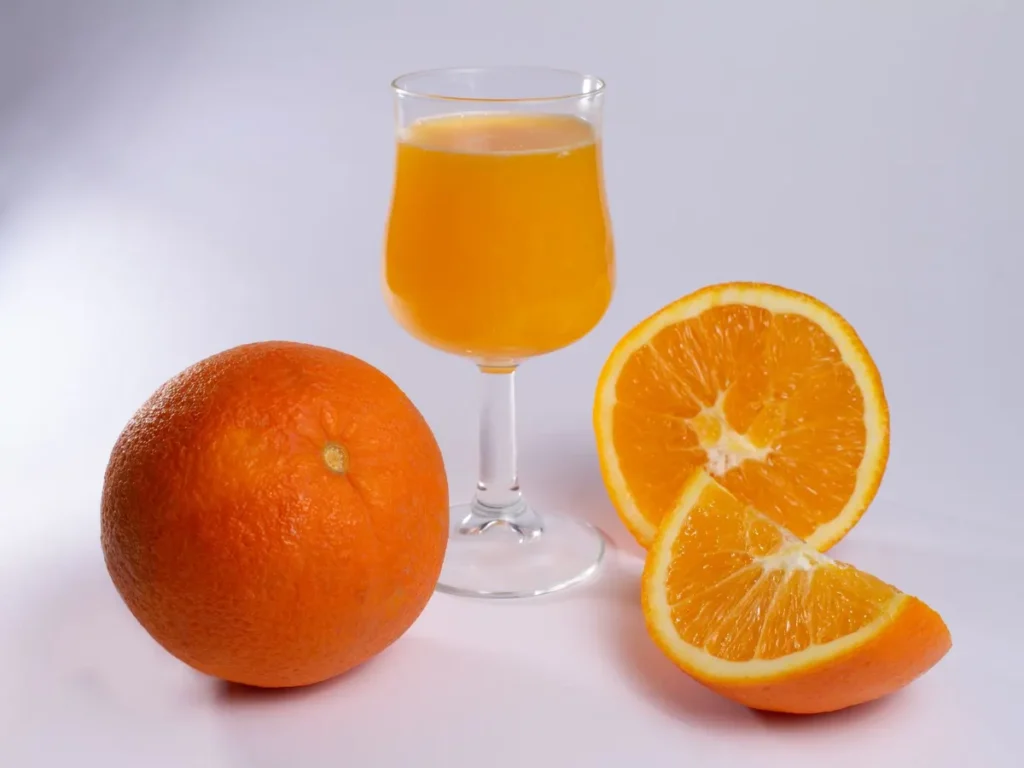
The classic juice orange. It has thin skin, a few seeds and lots of juice, and it ripens in spring and summer when navels are gone.
Blood orange
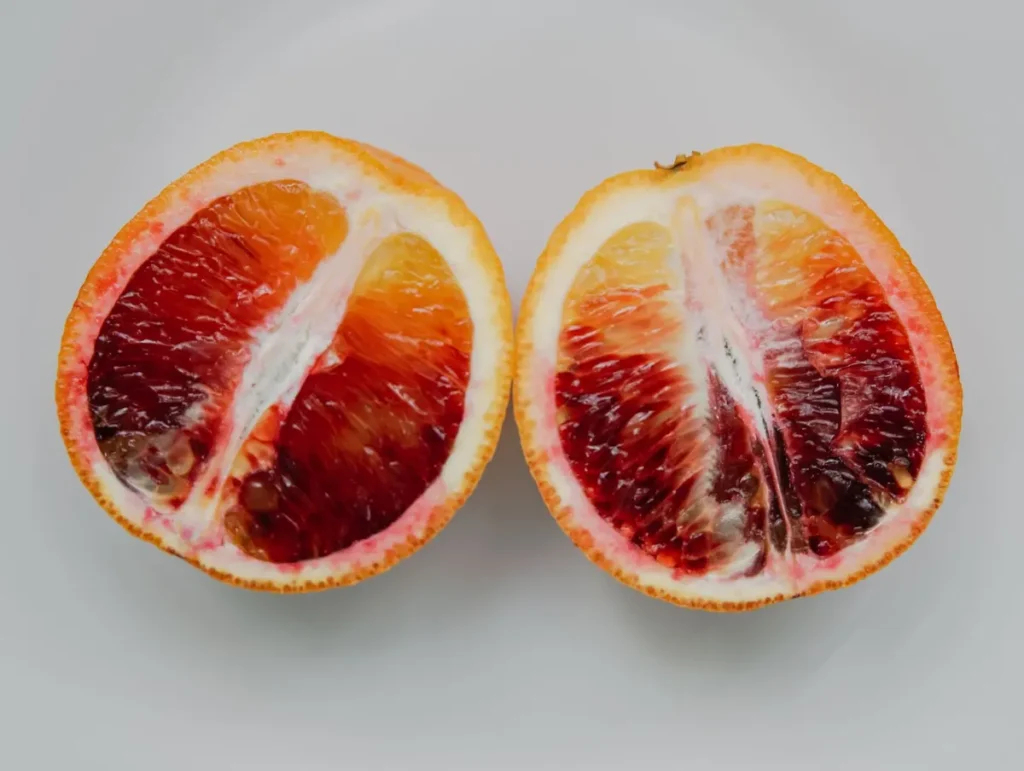
Its deep red flesh comes from anthocyanins, the same pigments found in berries. Moro, Tarocco and Sanguinello are the best-known types. The taste is sweet with a hint of raspberry.
Cara Cara orange
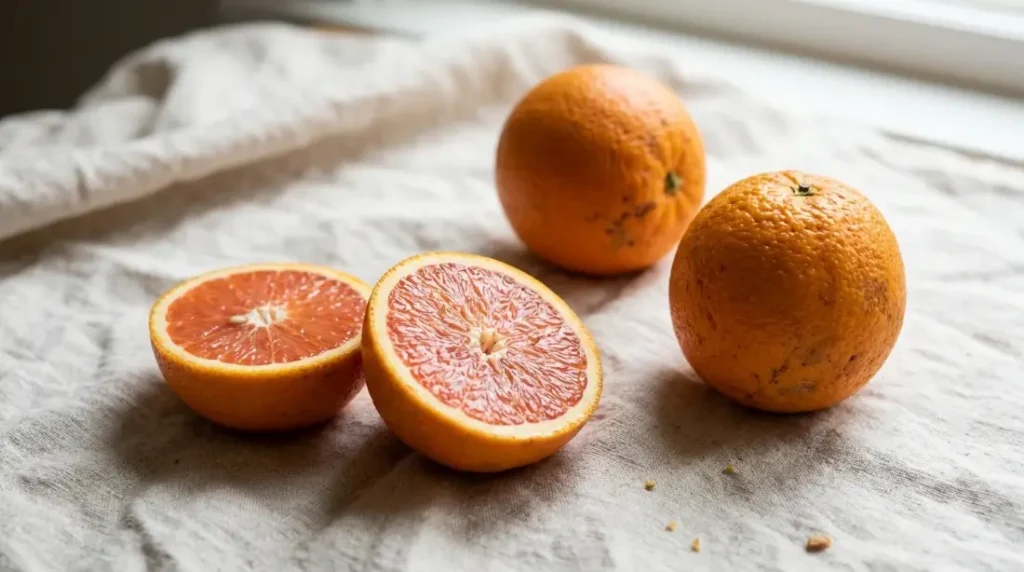
A pink-fleshed navel orange first found in Venezuela. It is sweeter and less acidic than a regular navel.
Sour (Seville) orange
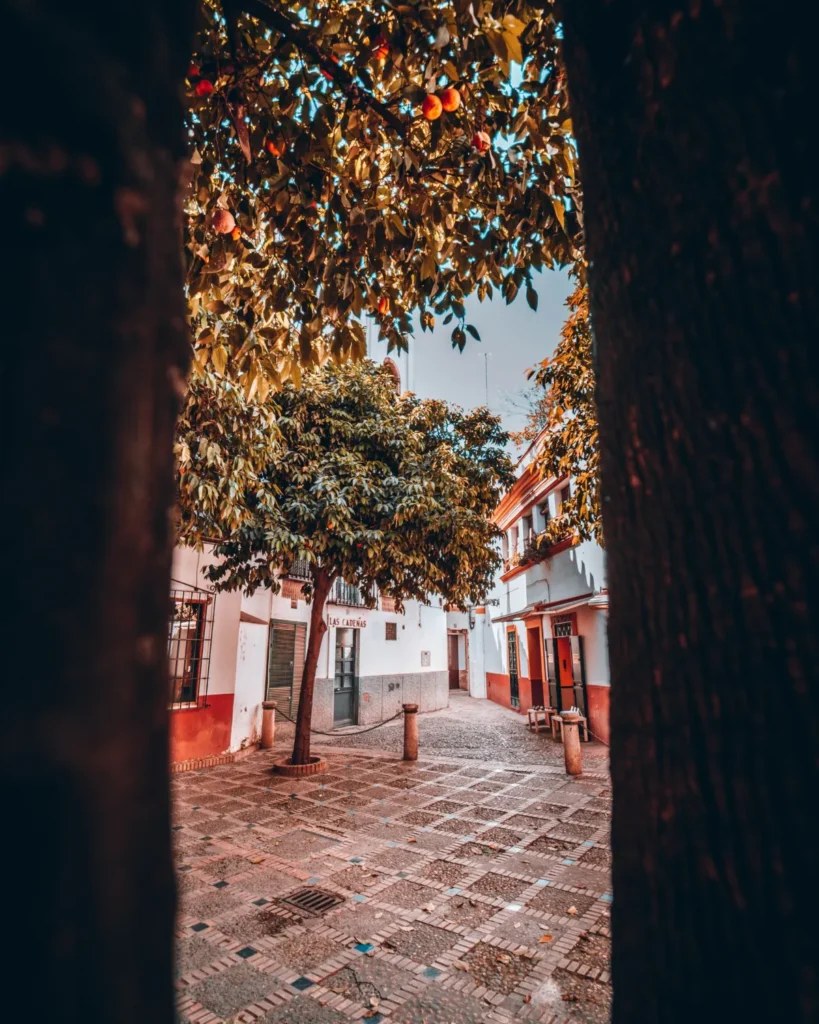
Too sour and bitter to eat raw. It is the traditional fruit for British marmalade, and in many countries it is grown as a rootstock for other citrus trees.
Bergamot orange
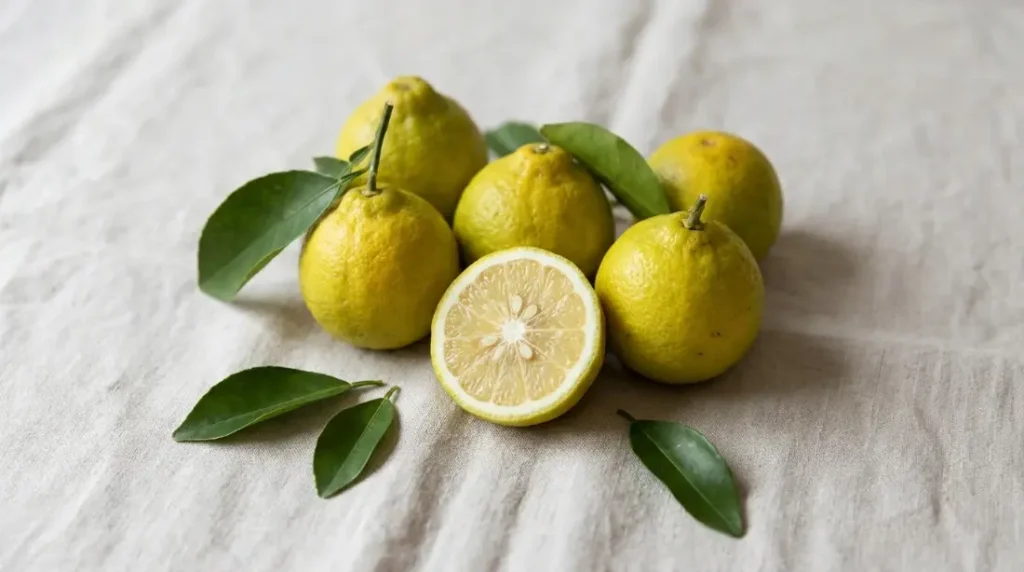
A small, yellow-green orange grown mostly in southern Italy. Its peel oil gives Earl Grey tea its flavour and is widely used in perfume.
2. Mandarins
Mandarins are one of the three original citrus species. They are small, flat at the ends and easy to peel.
Mandarin
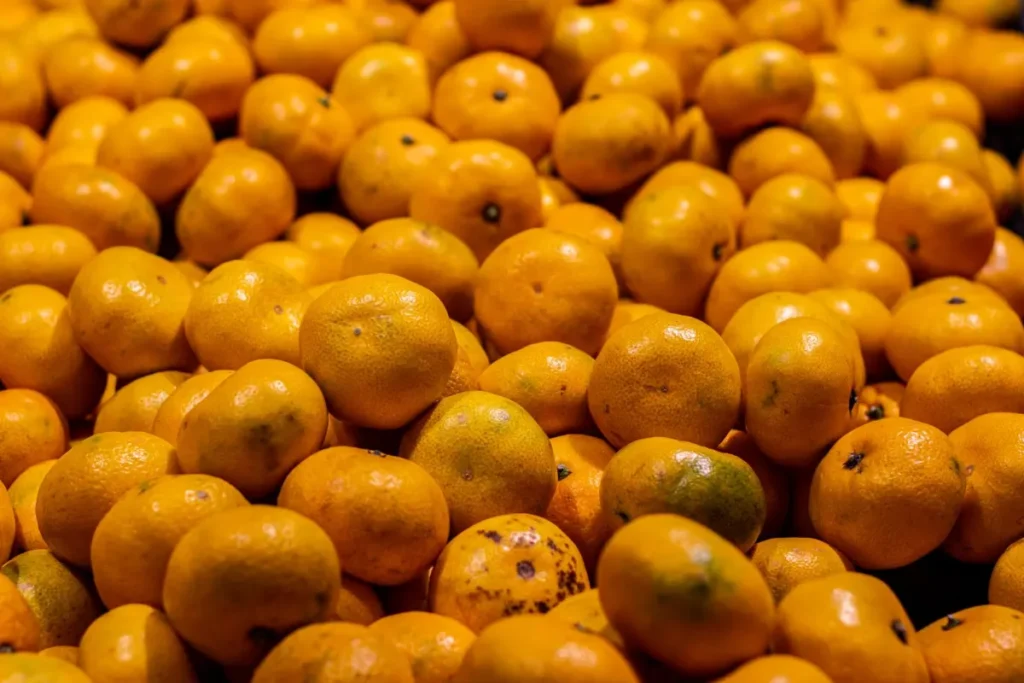
The parent group of all the fruits in this family. Mandarins are sweet, aromatic and usually peel in one piece.
Clementine
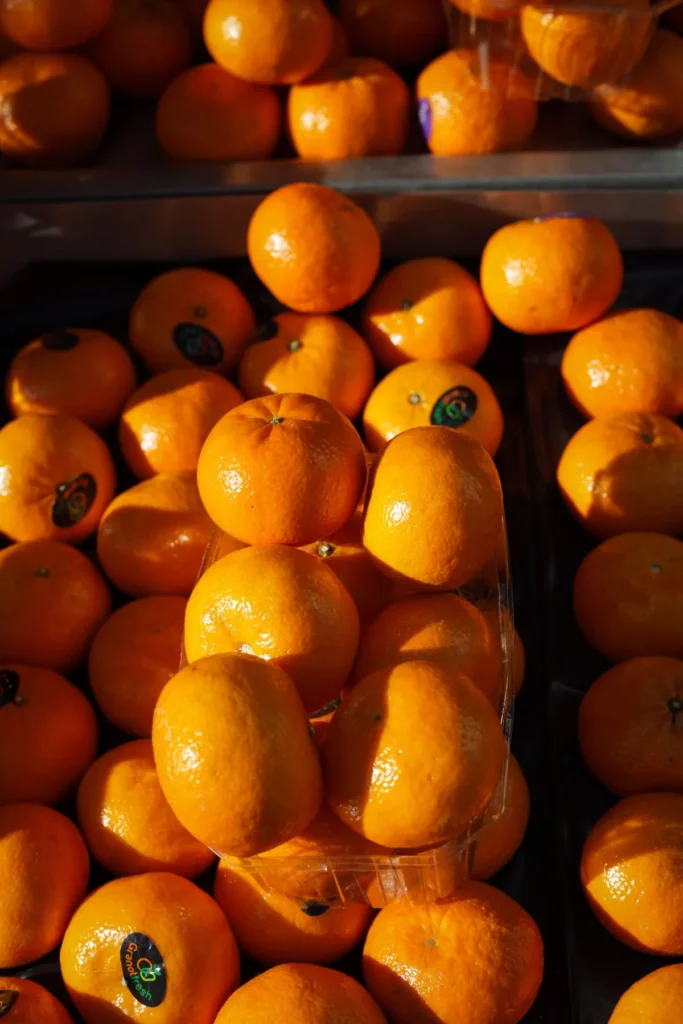
Small, very sweet and usually seedless. Clementines are a favourite winter snack in Europe and North America.
Satsuma
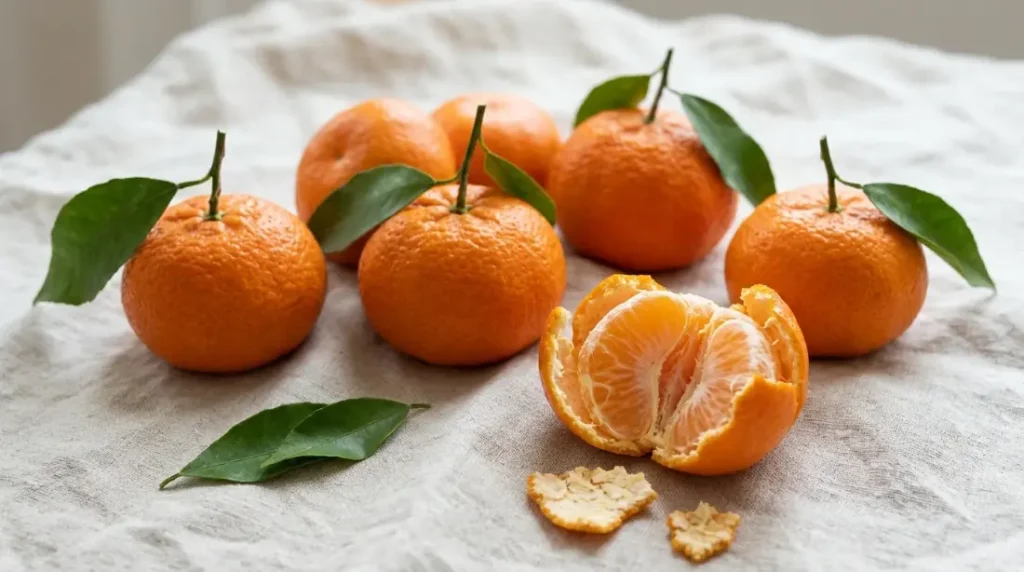
A seedless mandarin from Japan with a loose, puffy skin. It is among the first citrus of the season and one of the most cold-hardy.
Tangerine
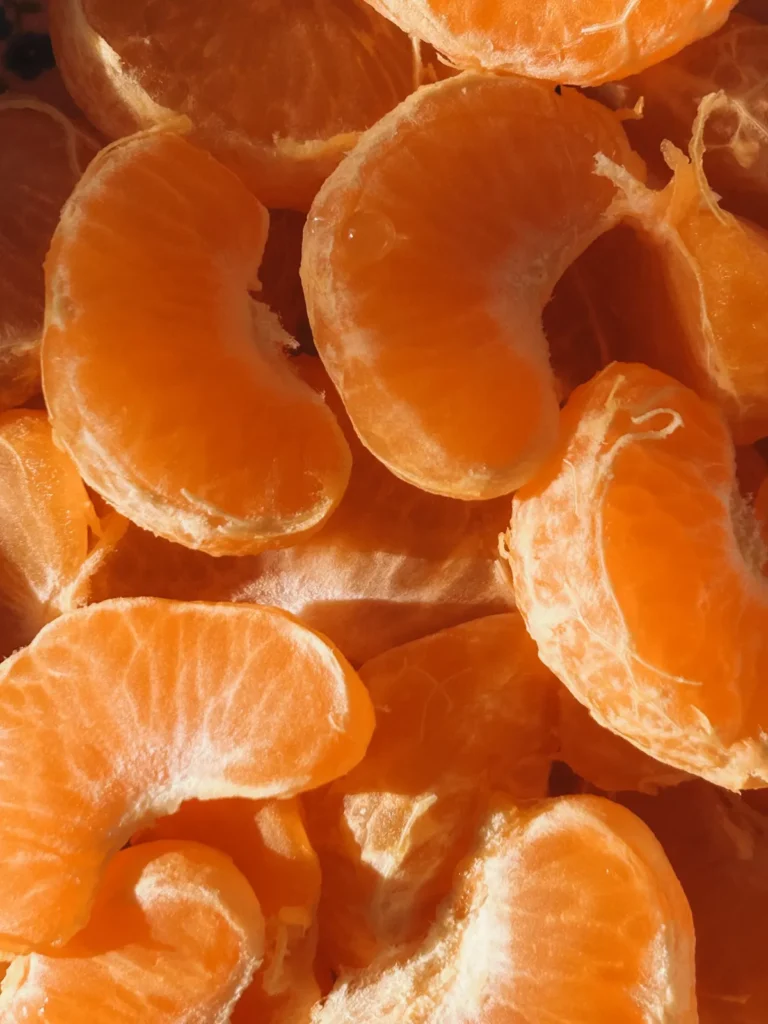
A name used, mostly in the US, for deep orange mandarins with a stronger sweet-tart taste, such as Dancy.
Kinnow
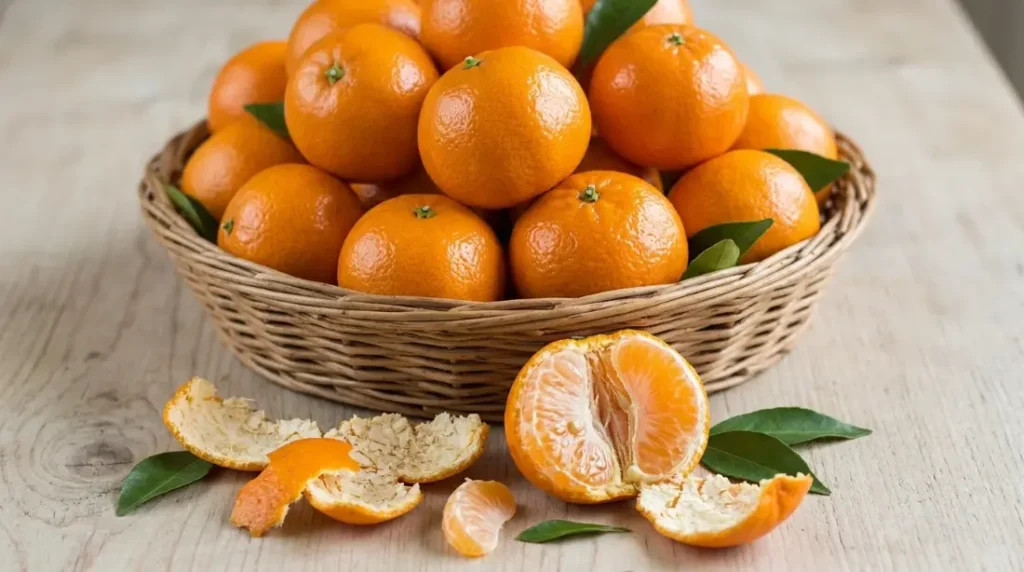
A hybrid of King and Willowleaf mandarin, developed at the University of California, Riverside in 1915 and released in 1935. Today it is the main citrus grown in Pakistan and northern India: juicy and sweet, with quite a few seeds.
Sumo (Dekopon)
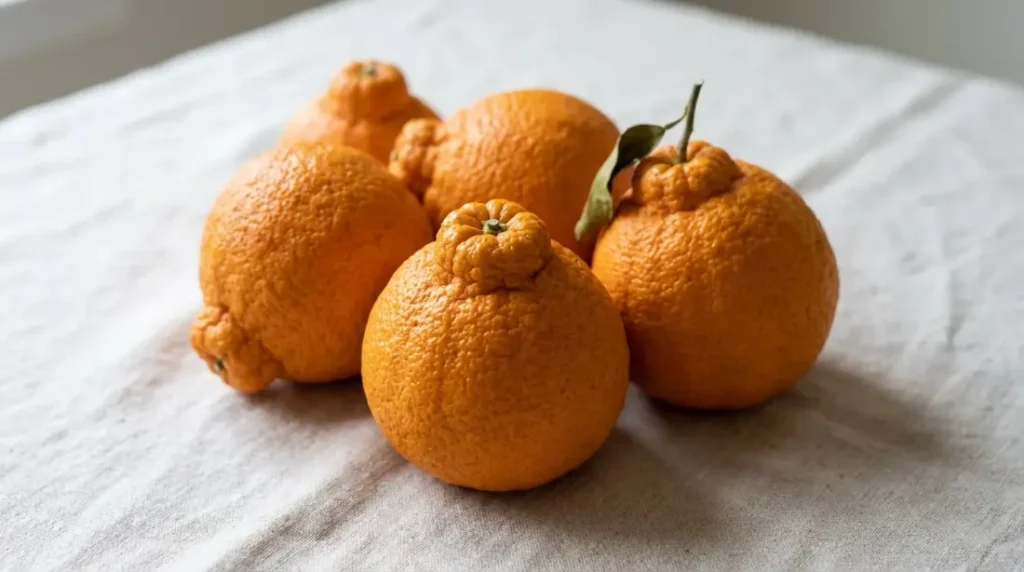
A large Japanese mandarin hybrid with a bumpy skin and a “topknot” at the stem. It is one of the sweetest citrus fruits you can buy.
Tangor (Murcott)
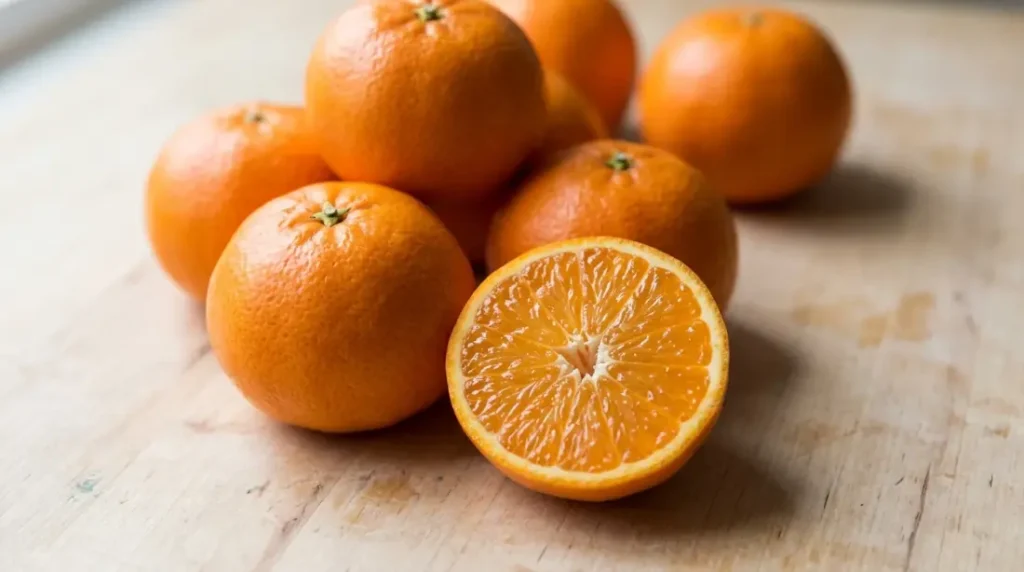
A mandarin crossed with a sweet orange. Tangors such as Murcott and Ortanique taste rich and sweet and peel fairly easily.
3. Lemons and limes
Lemons and most limes are hybrids that include citron. They are grown for their sour juice and fragrant zest.
Lemon (Eureka, Lisbon)
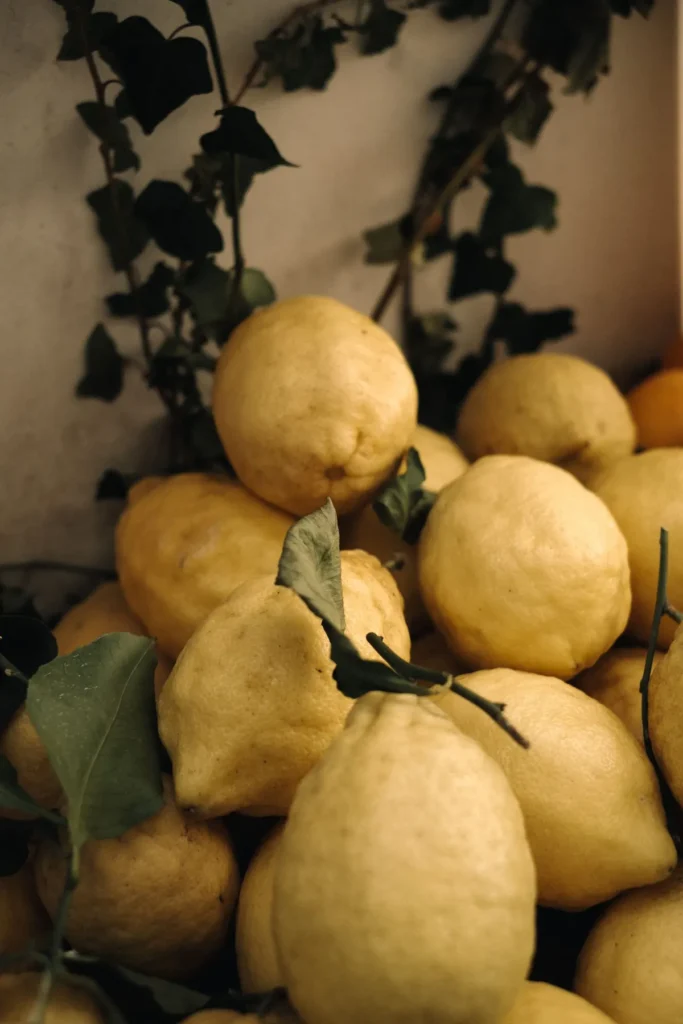
The supermarket lemon. It is very sour, bright yellow and available all year. Genome research shows the lemon is a cross of sour orange and citron.
Meyer lemon
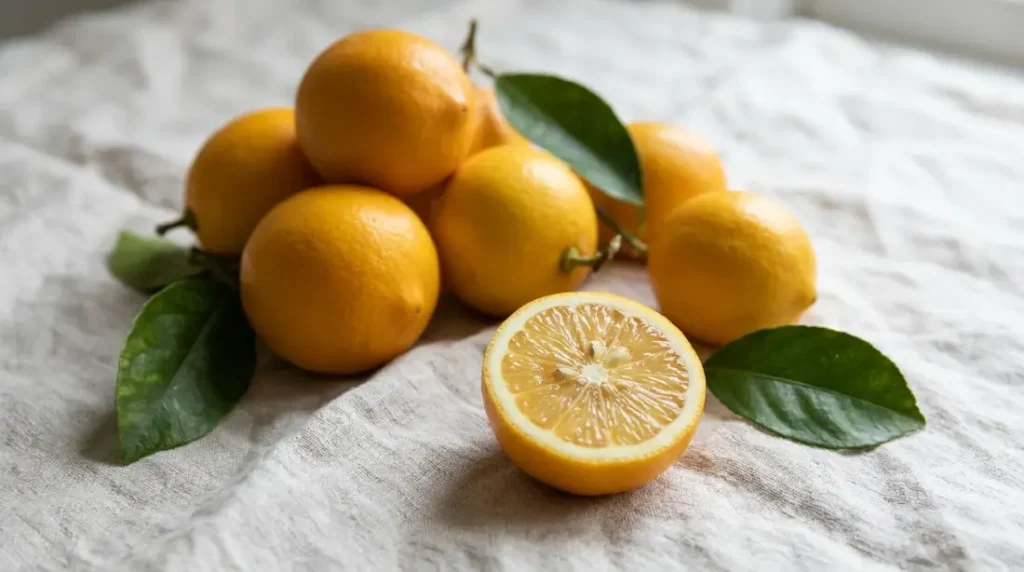
A lemon crossed with a mandarin or orange, brought to the US from China in the early 1900s. It is thinner-skinned, sweeter and more floral than a regular lemon. Its compact size makes it a popular pot plant; see indoor vs outdoor fruit gardening.
Persian lime
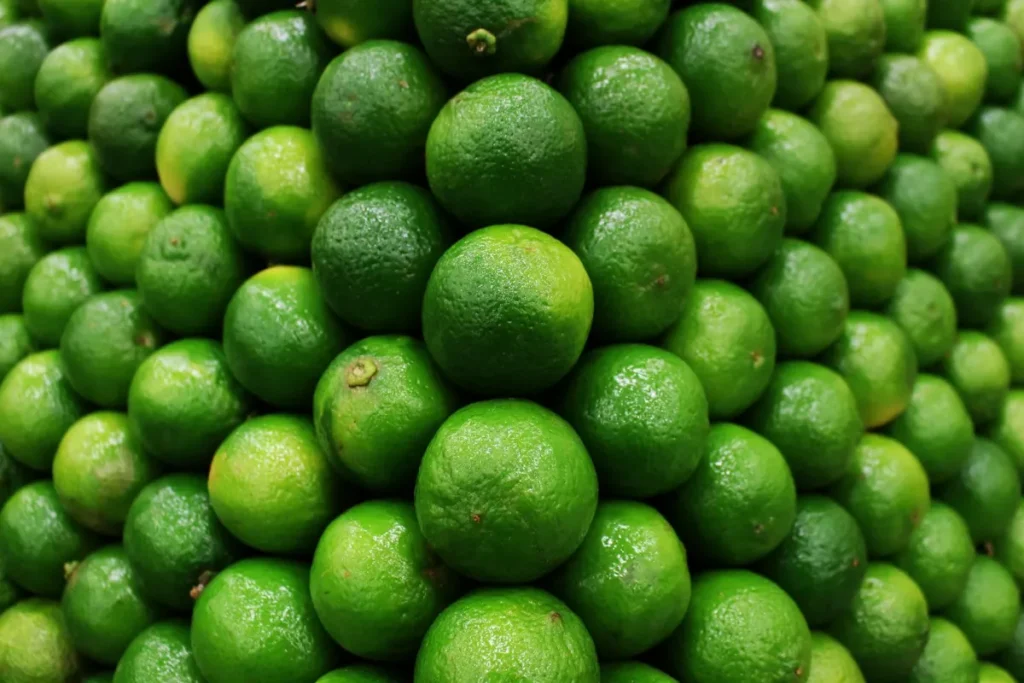
The common large, seedless green lime, also called Tahiti or Bearss lime. It is the lime in most shops outside Asia.
Key lime
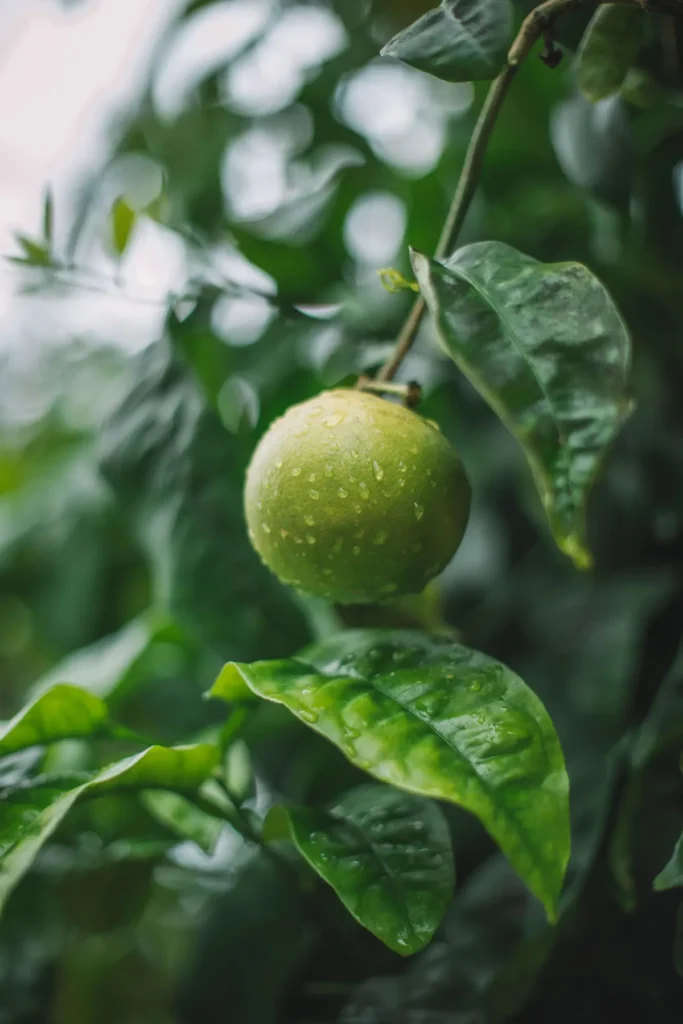
Smaller, rounder and more aromatic than the Persian lime, with seeds. It is also called Mexican lime and is the lime of key lime pie.
Makrut (kaffir) lime
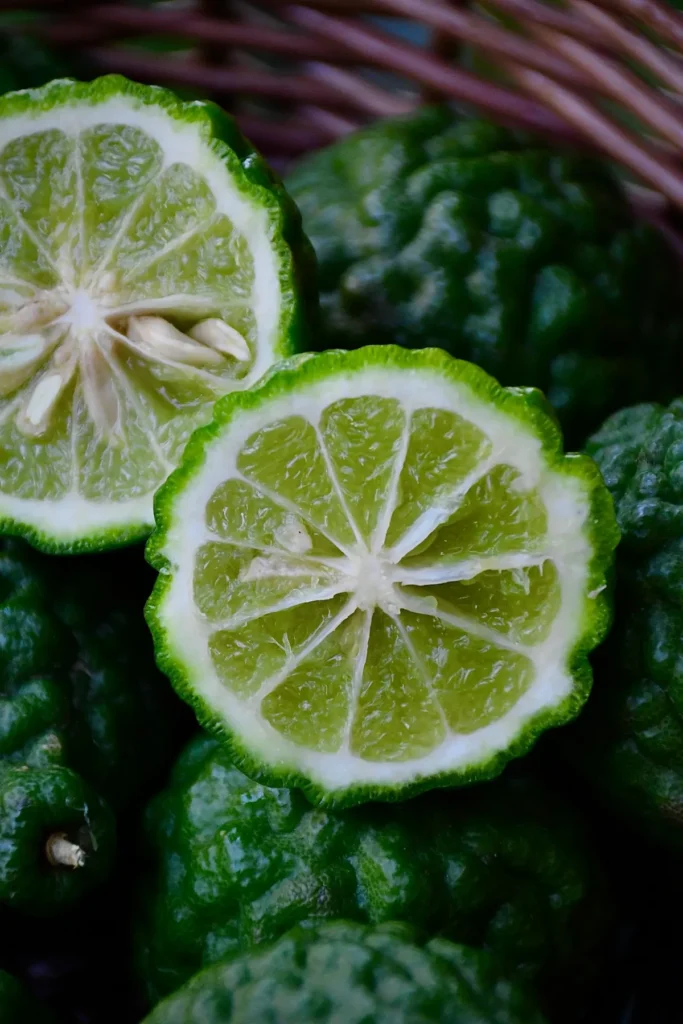
Its bumpy fruit has little juice. The glossy double leaves are the main ingredient, used in Thai and Southeast Asian curries and soups.
Rangpur lime
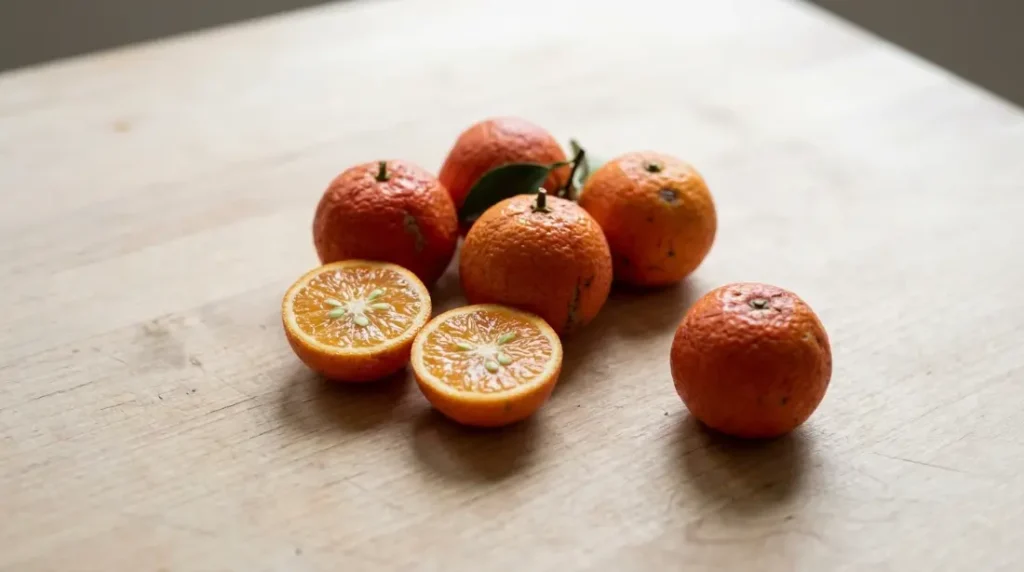
Despite the name, it is a mandarin–citron hybrid with orange skin and flesh. It is very sour and works like a lime in drinks and cooking.
Sweet lime (mosambi)
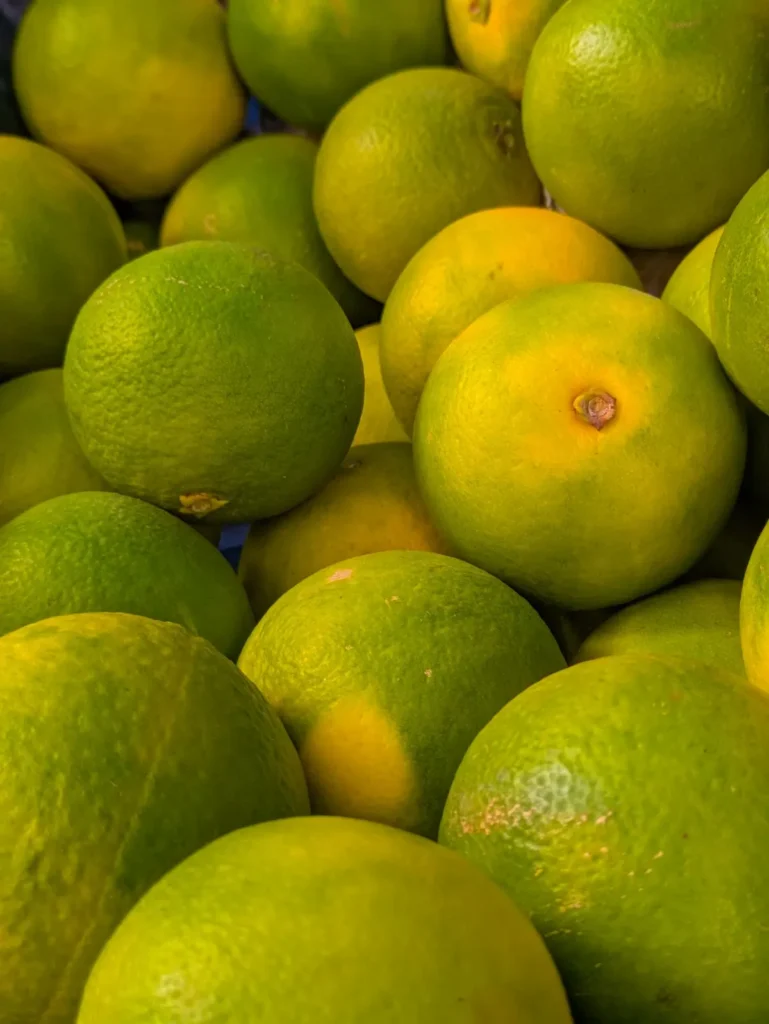
A low-acid citrus that tastes mild, almost bland. In Pakistan and India it is the classic fresh juice sold at street stalls.
Galgal (hill lemon)
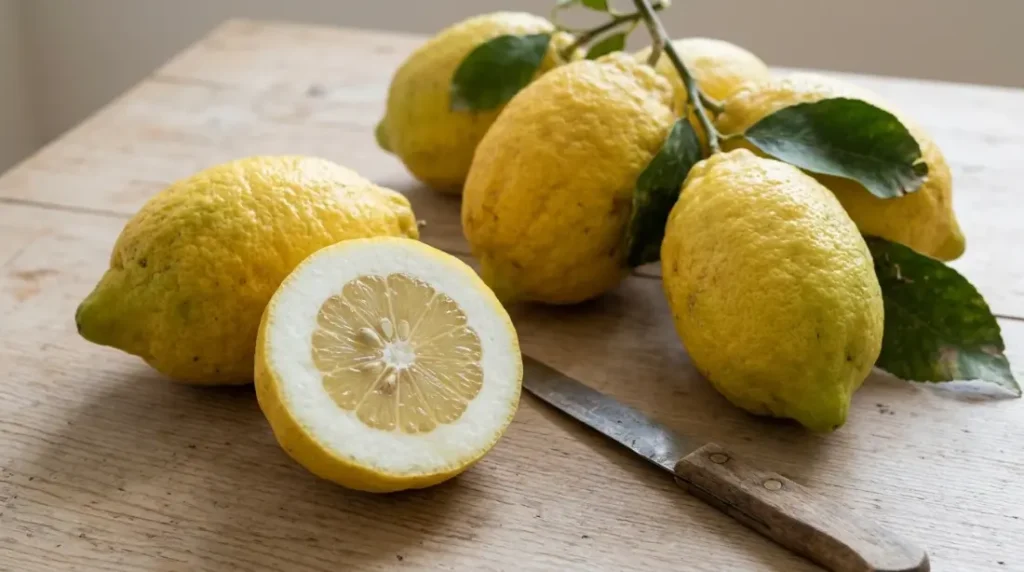
A large, thick-skinned, very sour lemon of the Himalayan foothills. It is mainly used for pickles and preserved in salt.
4. Grapefruit and pomelo
The pomelo is the third original citrus species, and the largest. Grapefruit and its relatives carry pomelo genes.
Grapefruit
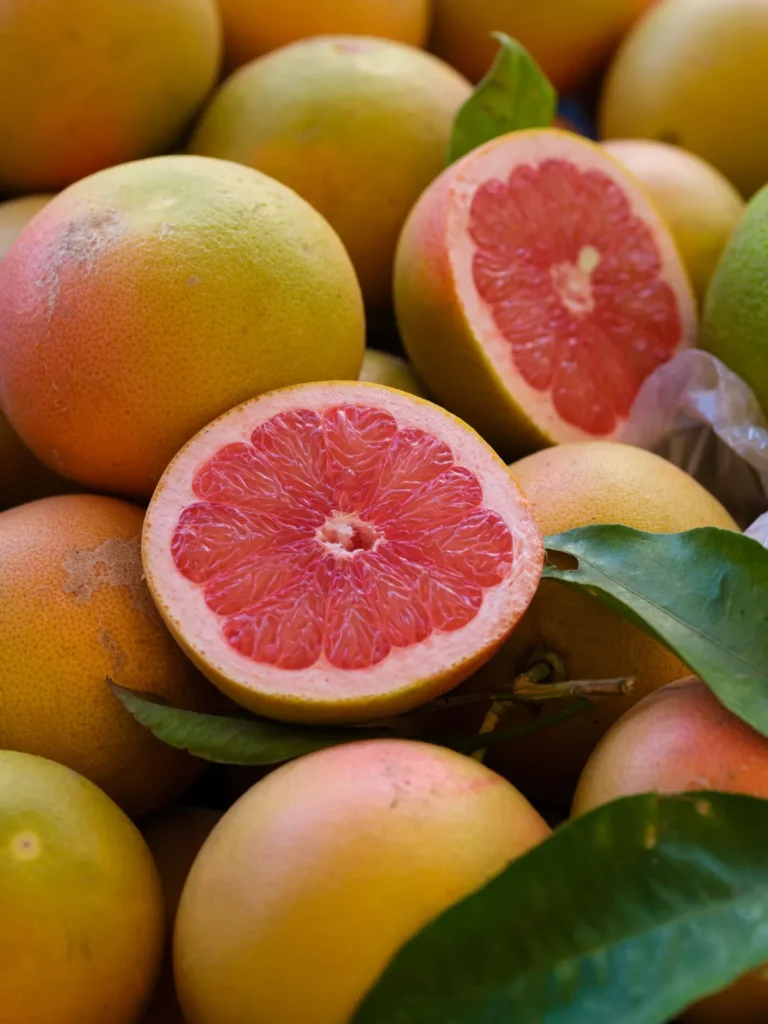
A cross of pomelo and sweet orange that first appeared in the Caribbean. It tastes bitter-sweet and comes in white, pink and ruby red types. Grapefruit can interact with some medicines, according to the US FDA, so check with your doctor or pharmacist if you take regular medication.
Pomelo
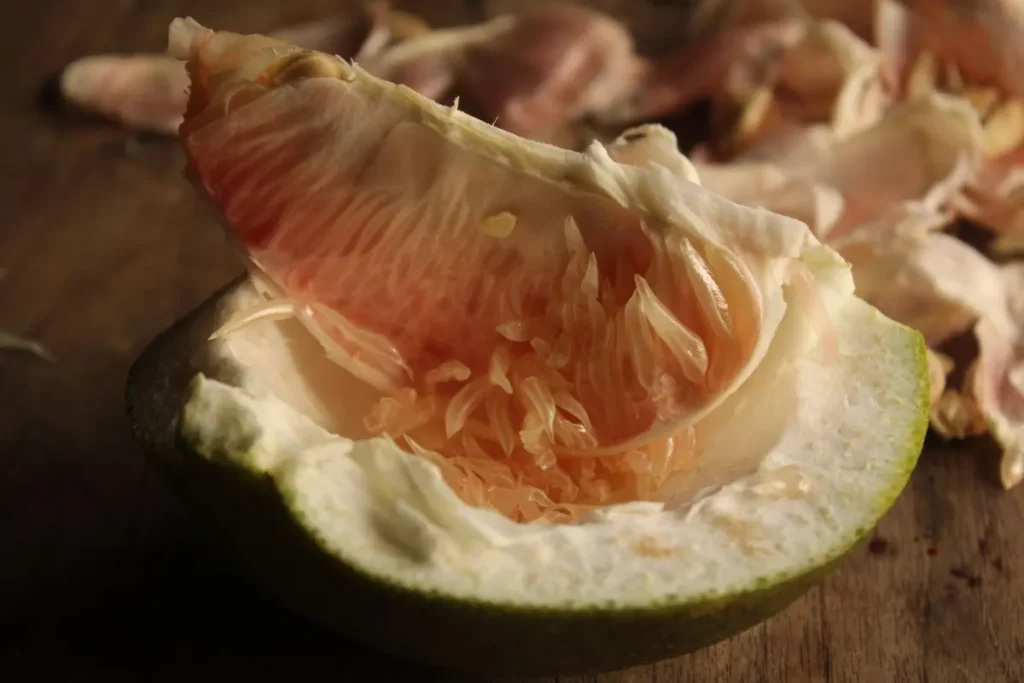
The largest citrus fruit, often as big as a melon, with a very thick pith. The flesh is mild and sweet, with almost no bitterness.
Oroblanco
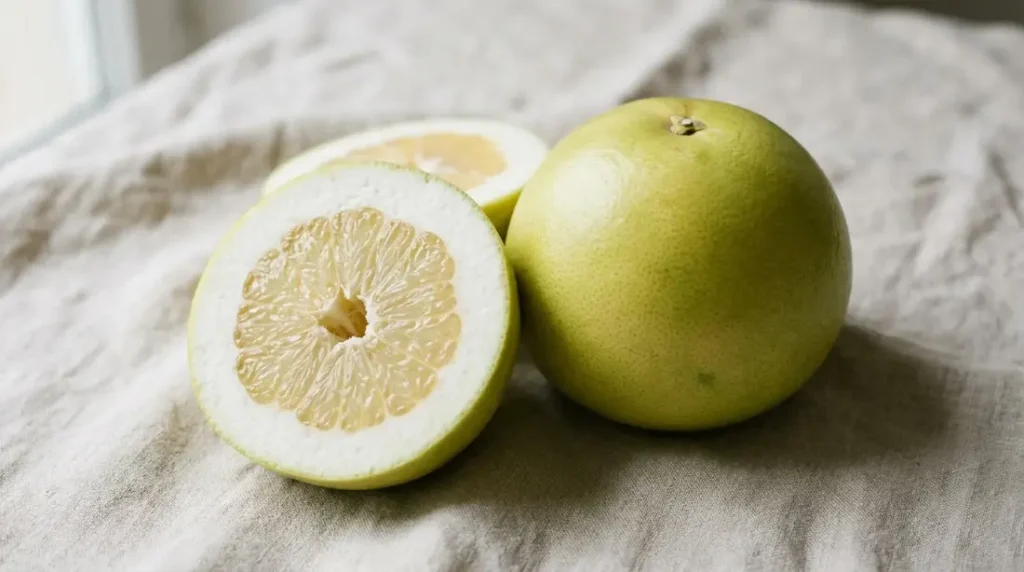
A seedless pomelo–grapefruit cross developed at UC Riverside. It is sweet with none of grapefruit’s bitterness, though the skin stays green-yellow when ripe.
Tangelo (Minneola)
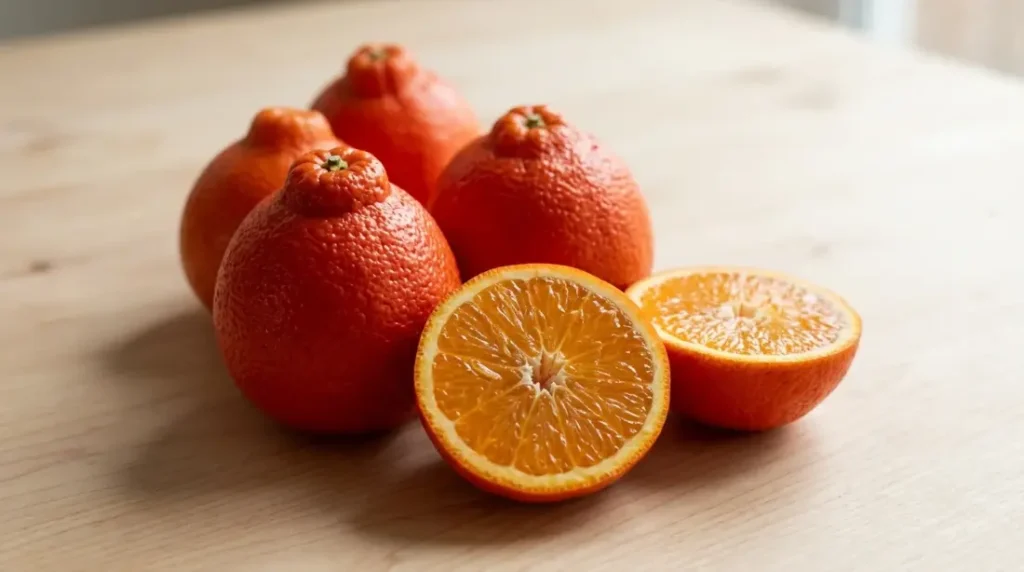
A mandarin crossed with grapefruit or pomelo. The Minneola has a knob at the stem end and a juicy, sweet-tart taste.
Ugli fruit
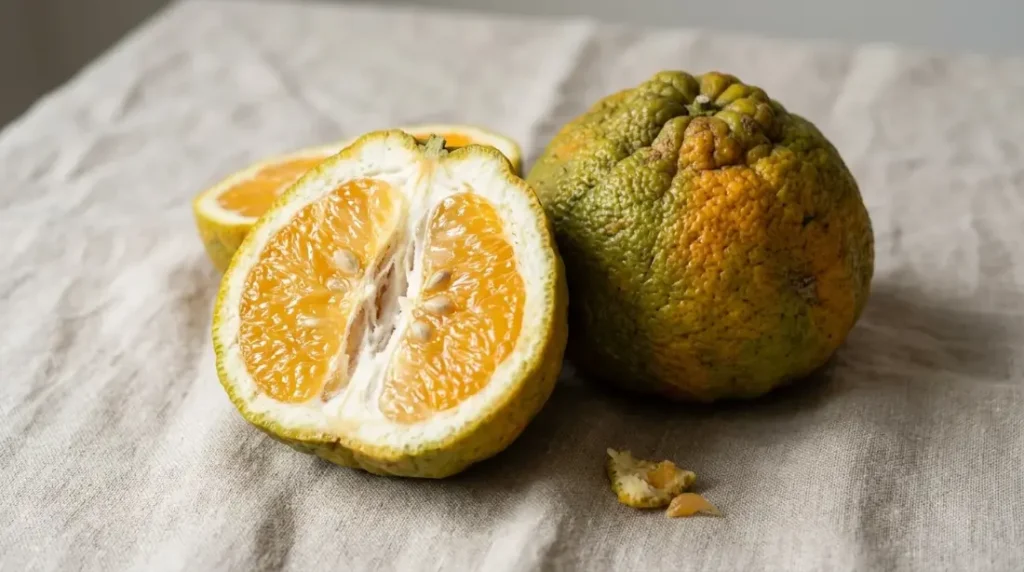
A tangelo found in Jamaica. It looks rough and lumpy, but the flesh is sweet, juicy and easy to segment.
5. Small citrus
Kumquat
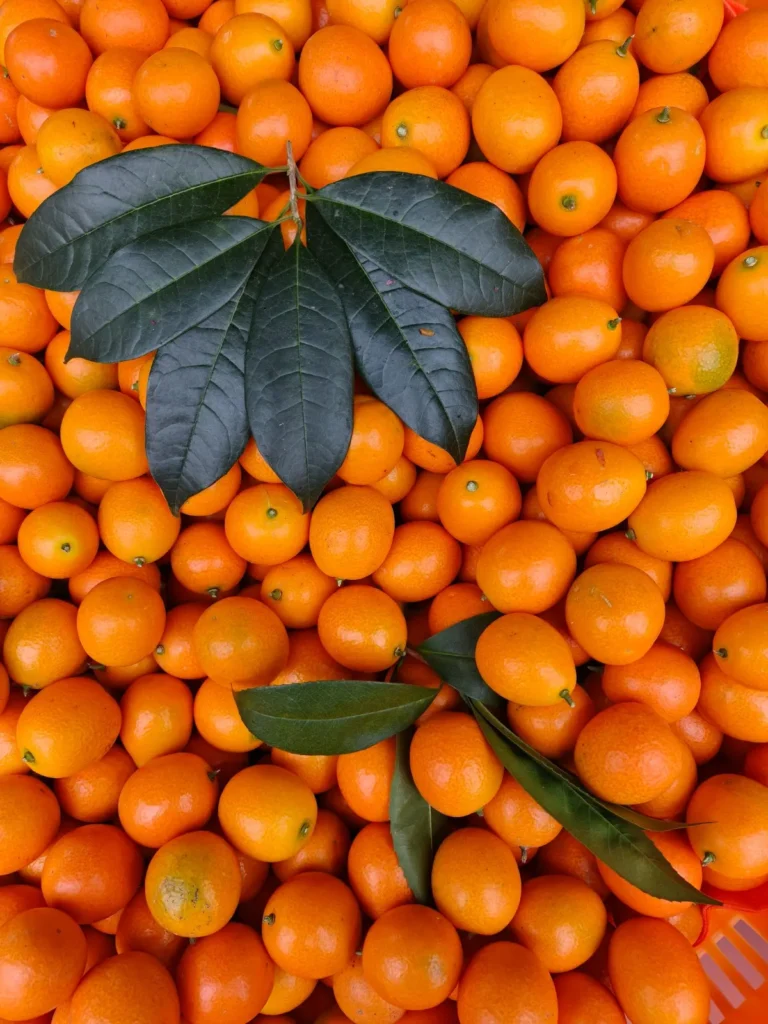
Olive-sized and eaten whole, skin and all. The peel is sweet and the flesh is sour, so one bite gives both.
Calamondin
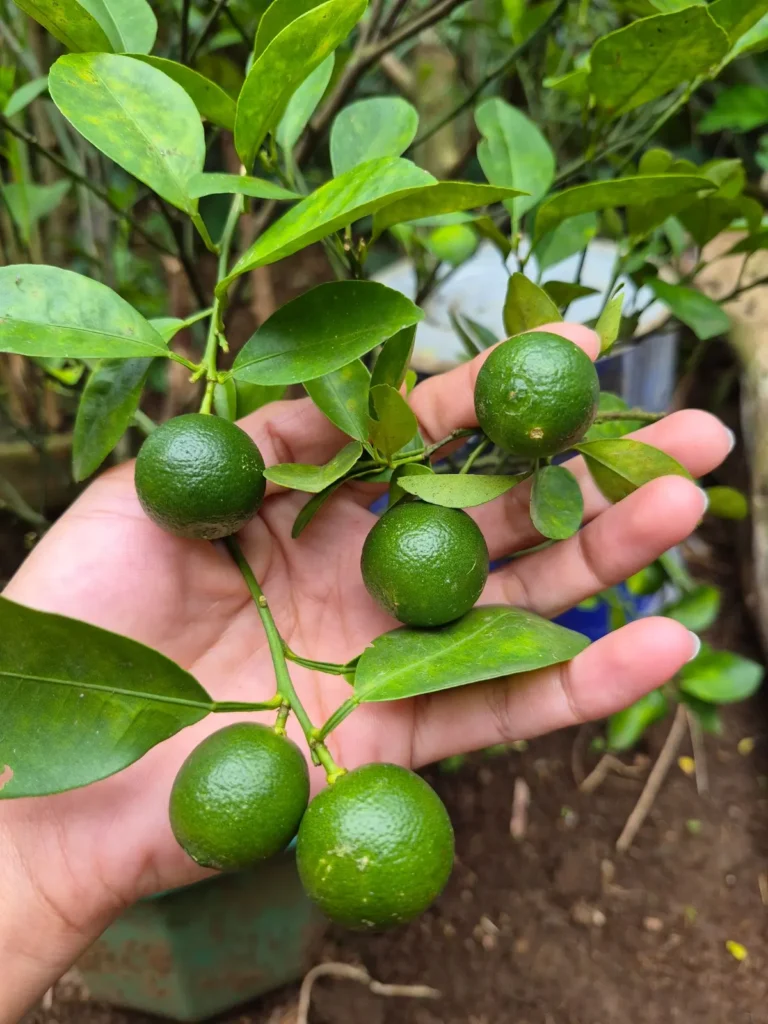
A kumquat–mandarin hybrid, known as calamansi in the Philippines. It is very sour and used like a lime.
Limequat
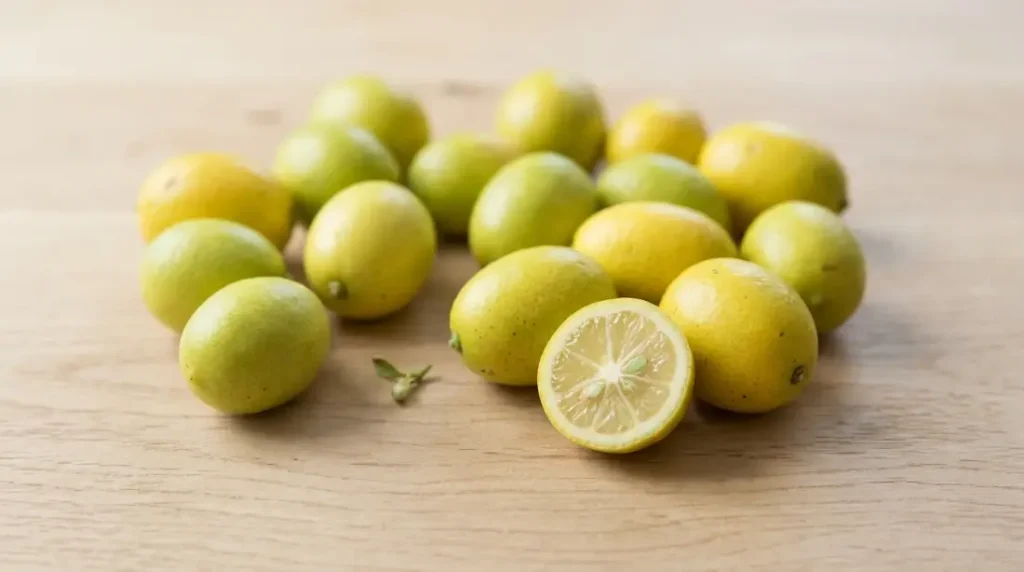
A kumquat crossed with key lime. It is small and sour, with an edible peel, and makes a good substitute for lime.
6. Rare and specialty citrus
For more unusual types, see our guide to uncommon citrus fruit varieties.
Citron
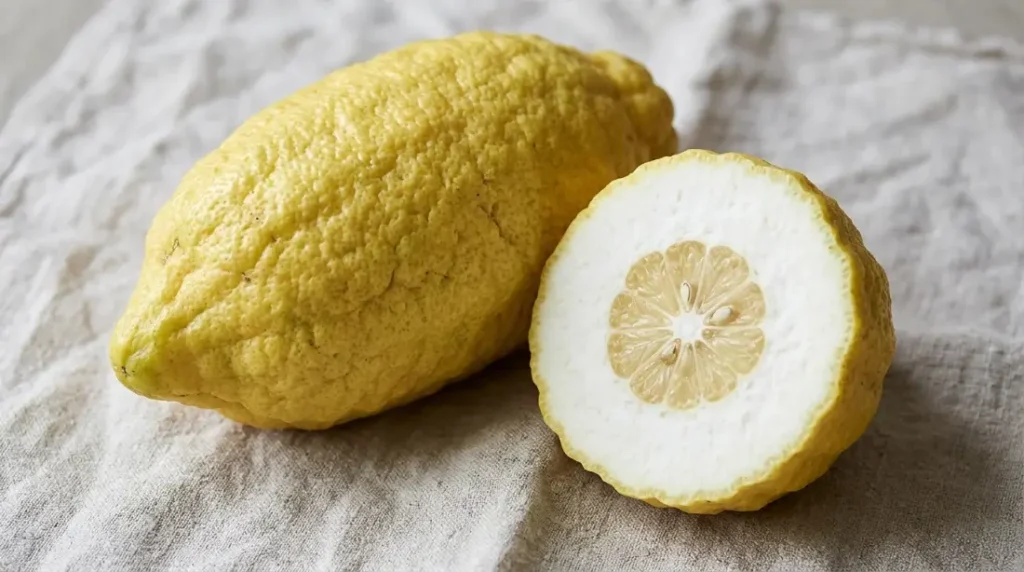
The third original species, and the oldest citrus grown around the Mediterranean. It is mostly thick peel, which is candied for cakes. The etrog, used during the Jewish festival of Sukkot, is a citron.
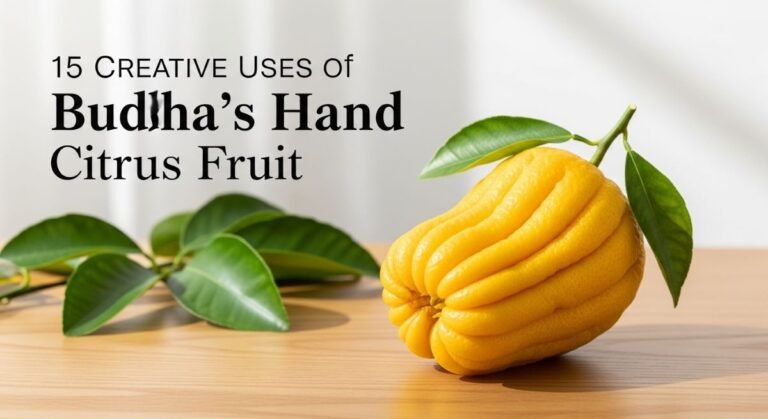
Buddha’s hand
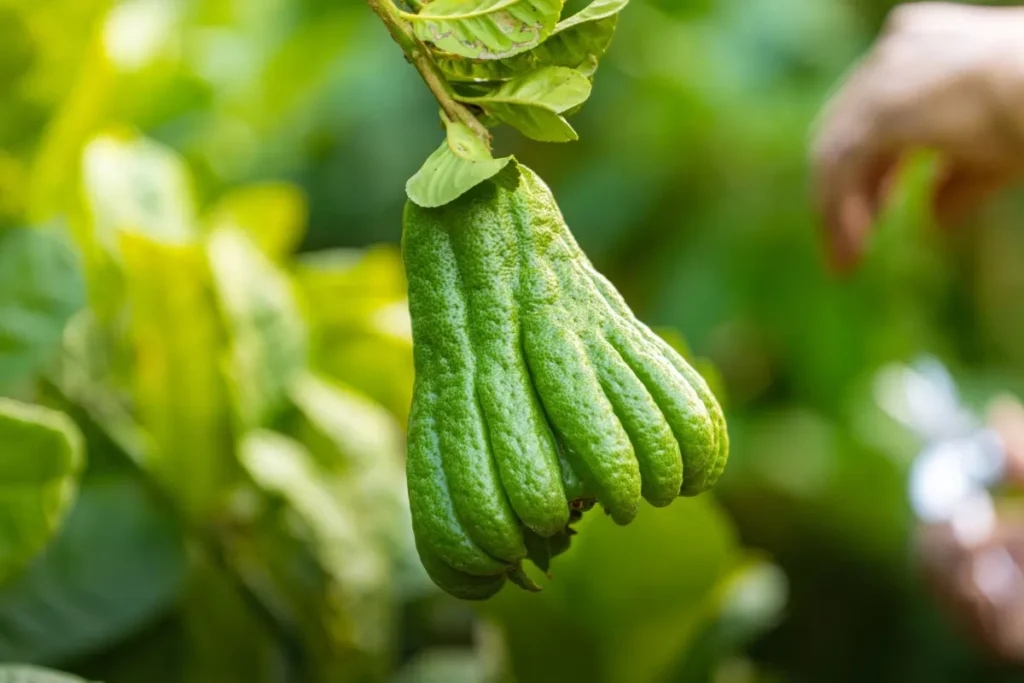
A citron split into finger-like sections. It has no juicy pulp or seeds, only fragrant peel and pith, used for zest and as a room scent. Read 15 creative uses of Buddha’s hand.
Yuzu
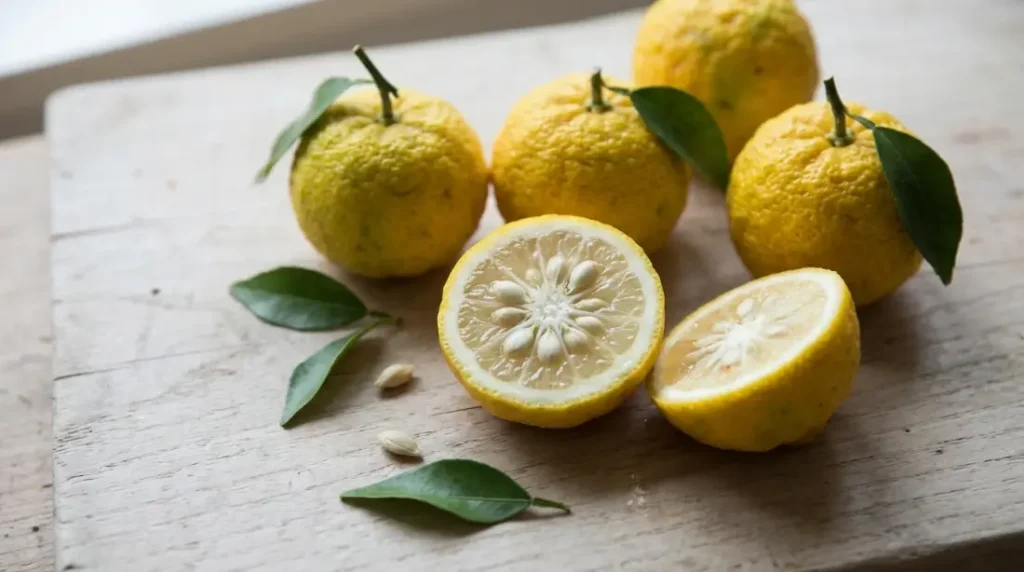
A tart, intensely fragrant citrus from East Asia, central to Japanese cooking. Its juice goes into ponzu sauce and its zest into desserts.
Sudachi
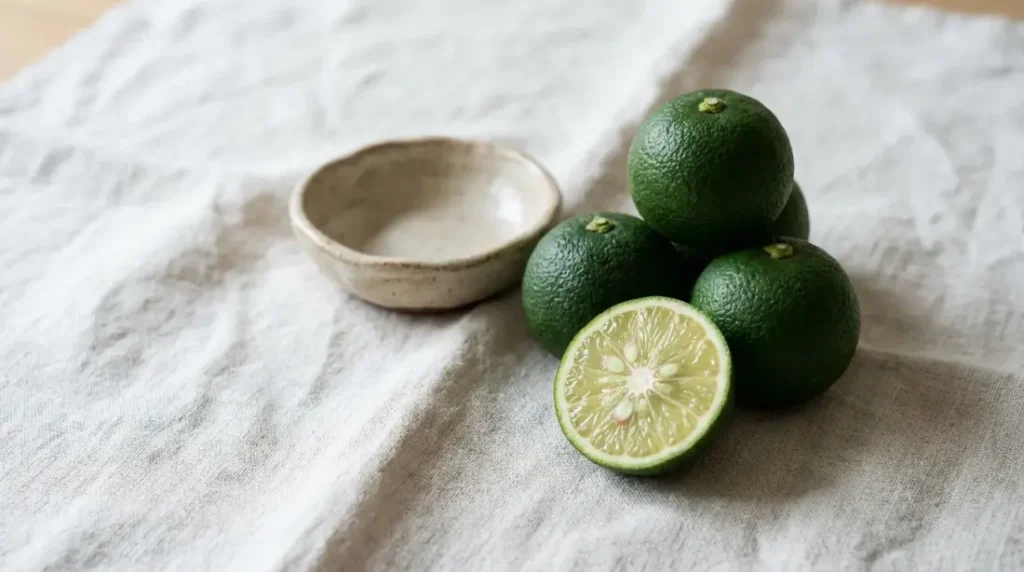
A small green Japanese citrus, picked unripe and squeezed over grilled fish and noodles.
Finger lime
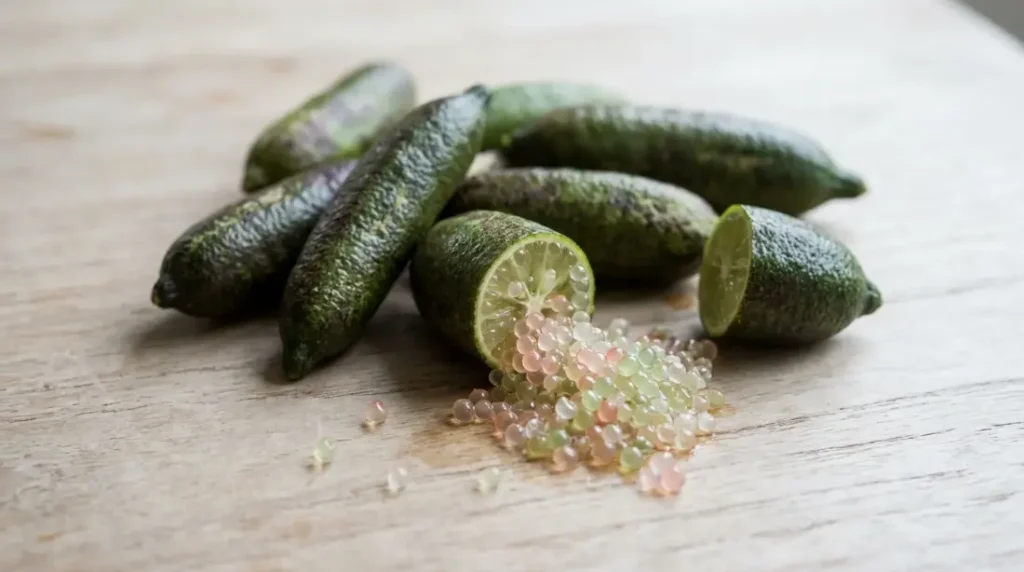
An Australian native shaped like a small finger. Inside are tiny juice pearls, often called “citrus caviar”, that pop in the mouth.
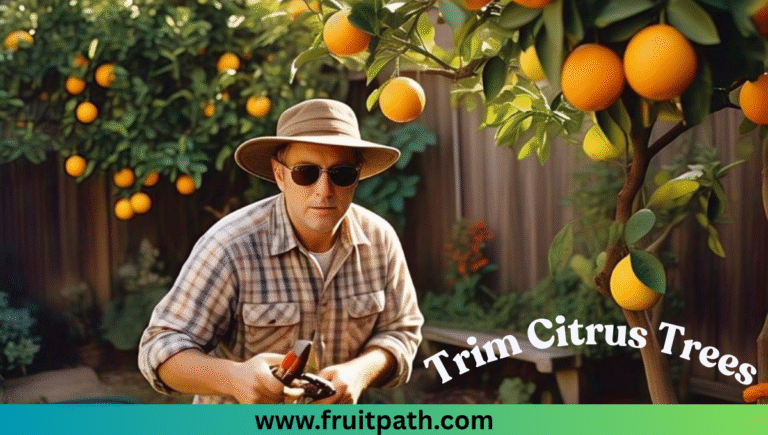
Growing your own? Learn how to trim citrus trees to keep them healthy and productive.
The 10 most popular citrus fruits
If you only learn ten, learn these. They are the citrus fruits you will find in most shops around the world:
- Navel orange
- Valencia orange
- Mandarin
- Clementine
- Lemon
- Persian lime
- Grapefruit
- Tangerine
- Pomelo
- Kumquat
Best citrus fruits by use
The “best” citrus depends on what you want it for.
| If you want… | Best choice | Why |
|---|---|---|
| A snack to peel | Clementine, satsuma | Sweet, seedless, peels in seconds |
| Fresh juice | Valencia orange, kinnow, mosambi | Very juicy |
| The sweetest fruit | Sumo, Cara Cara, Oroblanco | High sugar, low acid |
| Baking and dressings | Lemon, Meyer lemon | Sour juice and fragrant zest |
| Drinks and cocktails | Persian lime, key lime | Sharp, clean sourness |
| Marmalade | Seville orange | Bitter peel sets well |
| Asian cooking | Yuzu, makrut lime, calamansi | Unique aroma |
| Something unusual | Finger lime, Buddha’s hand | Striking look and texture |
Citrus fruits A to Z
An alphabetical list of the citrus fruits in this guide:
- B: Bergamot orange, Blood orange, Buddha’s hand
- C: Calamondin, Cara Cara orange, Citron, Clementine
- F: Finger lime
- G: Galgal, Grapefruit
- K: Key lime, Kinnow, Kumquat
- L: Lemon, Limequat
- M: Makrut lime, Mandarin, Meyer lemon, Mosambi (sweet lime)
- N: Navel orange
- O: Oroblanco
- P: Persian lime, Pomelo
- R: Rangpur lime
- S: Satsuma, Seville orange, Sudachi, Sumo (Dekopon)
- T: Tangelo, Tangerine, Tangor
- U: Ugli fruit
- V: Valencia orange
- Y: Yuzu
Are there citrus vegetables?
No. “Citrus” is a group of fruit trees, so there are no citrus vegetables. People who search for them usually want vegetables that are high in vitamin C, like citrus.
Several vegetables match or beat an orange. According to the US National Institutes of Health, half a cup of raw red bell pepper has 95 mg of vitamin C, compared with 70 mg in a medium orange. Half a cup of cooked broccoli has 51 mg, and Brussels sprouts are also a top source. Tomatoes and potatoes have less, about 17 mg each.
Non-citrus fruits
Any fruit outside the Citrus genus is a non-citrus fruit. Common examples are apples, bananas, mangoes, grapes, berries, pears, peaches, apricots, cherries, pomegranates, figs, melons and kiwifruit. Some taste sour, like kiwi or tamarind, but sourness alone does not make a fruit citrus. For what is fresh right now, see our winter fruit guide.
Frequently asked questions
How many types of citrus fruits are there?
There is no single number, because new hybrids keep appearing. The University of California, Riverside Citrus Variety Collection, one of the largest in the world, holds about 1,000 types of citrus and citrus relatives. Most are crosses of three ancestors: mandarin, pomelo and citron.
What are the three original citrus fruits?
The mandarin (Citrus reticulata), the pomelo (Citrus maxima) and the citron (Citrus medica). Almost every citrus you can buy, from oranges to lemons, is a mix of these, sometimes with a wild relative.
What is the largest citrus fruit?
The pomelo. It can grow as big as a small melon, with a thick pith that can make up half the fruit.
What is the smallest citrus fruit?
Among common citrus, the kumquat and the calamondin are the smallest, about the size of an olive or a large grape.
Is a tomato a citrus fruit?
No. Tomatoes belong to the nightshade family, not the Citrus genus. They contain some vitamin C and acid, which is why people sometimes group them with citrus.
Is a pineapple a citrus fruit?
No. Pineapple is a tropical fruit from the bromeliad family. It tastes tangy, but it is not related to citrus.
Sources
- UC Riverside Givaudan Citrus Variety Collection
- UC Riverside: Kinnow mandarin
- UC Riverside Magazine: tour of the Citrus Variety Collection
- Wu et al. (2018), Genomics of the origin and evolution of Citrus, Nature 554
- NIH Office of Dietary Supplements: Vitamin C fact sheet
- US FDA: Grapefruit juice and some drugs don’t mix