
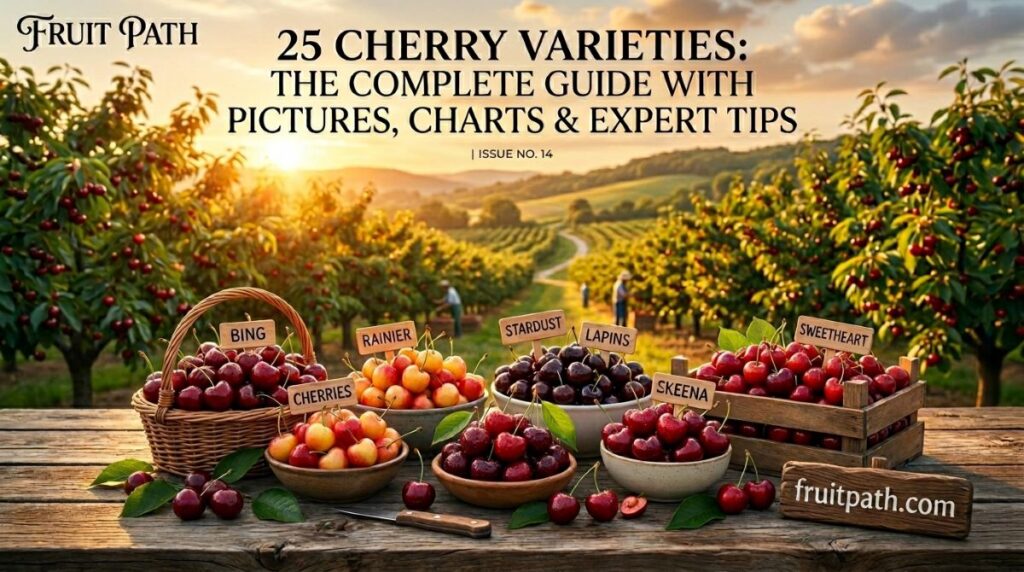
Cherries are one of the most loved fruits in the world. Whether you bite into a sweet, dark Bing cherry on a summer afternoon or spoon a warm Montmorency sour cherry pie filling onto vanilla ice cream, the right cherry makes all the difference.
But here is the thing most gardeners and fruit lovers don’t realize: not all cherries are the same. There are dozens of cherry varieties, and each one behaves differently in your garden, on your plate, and in your climate zone.
This cherry varieties guide with pictures, charts, and expert tips was built for exactly that reason. Whether you are a home gardener in Oregon trying to pick the best sweet cherry for your backyard, a container gardener in a small apartment, or just a curious shopper at the farmers’ market, this guide is for you.
In this blog post, you will find out :
- A full list of sweet cherry varieties with profiles and pictures.
- A complete cherry variety chart you can scan at a glance.
- A dedicated dwarf cherry varieties guide for small spaces and pots.
- Profiles of the best tart and sour cherry varieties.
- A practical framework for choosing the best cherry variety for your specific garden.
- A quick care, harvest, and storage summary.
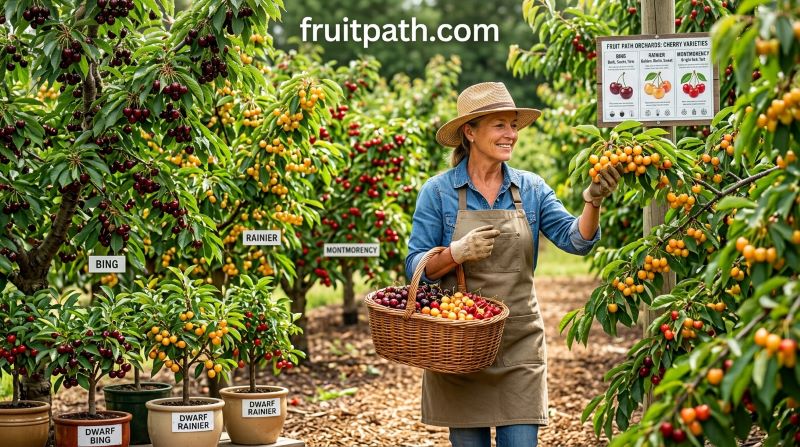
Already growing cherries? This guide pairs perfectly with our full Cherry Trees Growing Guide. Start there for deep-dive planting and pruning advice, then come back here to find your perfect variety.
Let’s dig in.
- Sweet vs. Tart Cherries: Understanding the Different Types of Cherry Plants:
- Sweet Cherry Varieties: A Complete List with Pictures:
- Best Cherry Varieties Guide + Cherry Variety Chart:
- Dwarf Cherry Varieties Guide: Ideal for Small Spaces and Containers:
- Tart and Sour Cherry Varieties: The Home Gardener’s Secret Weapon:
- How to Choose the Right Cherry Variety for Your Garden:
- Beginner Recommendations:
- Quick Growing and Care Summary:
- Harvesting, Storage, and Enjoying Your Cherries:
- Your Perfect Cherry Is Out There:
- Frequently Asked Questions:
Sweet vs. Tart Cherries: Understanding the Different Types of Cherry Plants:
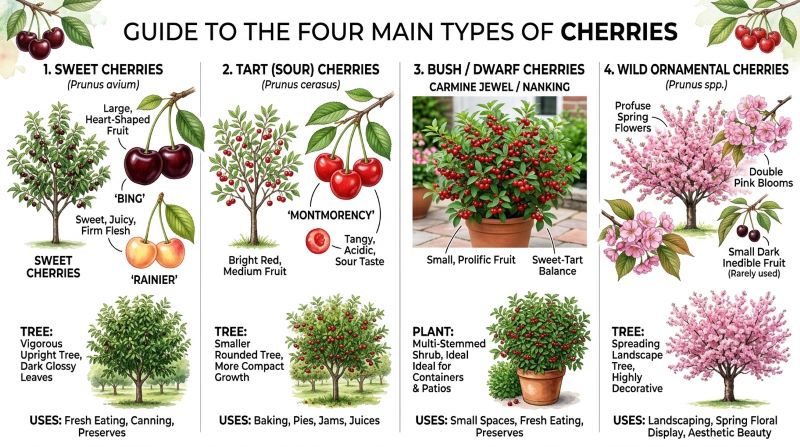
Before we look at individual varieties, it helps to understand the four main types of cherry plants. Each has different needs, strengths, and best uses.
The Four Main Types of Cherries:
1. Sweet Cherries (Prunus avium): These are the large, firm, juicy cherries you are fimiler with them in grocery stores. Best eaten fresh. Most need a pollinator partner to set fruit, though self-fertile options exist.
2. Tart/Sour Cherries (Prunus cerasus): Smaller, softer, and bright red. Used mostly for baking, jams, juices, and dried fruit. Most are self-fertile and much hardier than sweet types.
3. Bush/Dwarf Cherries (Prunus fruticosa hybrids and others): These compact plants are ideal for small yards and containers. Many are crosses between sweet and tart types—excellent cold hardiness.
4. Wild/Ornamental Cherries: Beautiful flowering trees. Some produce edible fruit, but most are grown for spring blossoms, not for harvest.
Sweet vs. Tart: Quick Comparison Table:
| Feature | Sweet Cherries | Tart/Sour Cherries |
| Flavor | Sweet, rich, mild | Tart, bright, bold |
| Best Use | Fresh eating, snacking | Baking, jams, juice, drying |
| Typical Color | Dark red, yellow, bicolor | Bright red |
| Tree Size | Large (20–30 ft standard) | Smaller (12–20 ft) |
| Pollination | Most need a partner | Most are self-fertile |
| Cold Hardiness | USDA Zones 5–7 (most) | USDA Zones 4–7 |
| Ripening Season | June–July | July–August |
| Crack Resistance | Varies by variety | Generally more resistant |
| Beginner-Friendly? | Moderate | Yes — easier overall |
Sweet Cherry Varieties: A Complete List with Pictures:
Sweet cherries are what most people picture when they think of cherries.” They’re the glossy, deep-red (or golden) fruit piled high at produce stands every June.
Below, you’ll find the top sweet cherry varieties grouped by ripening season — a key factor when planning your garden.
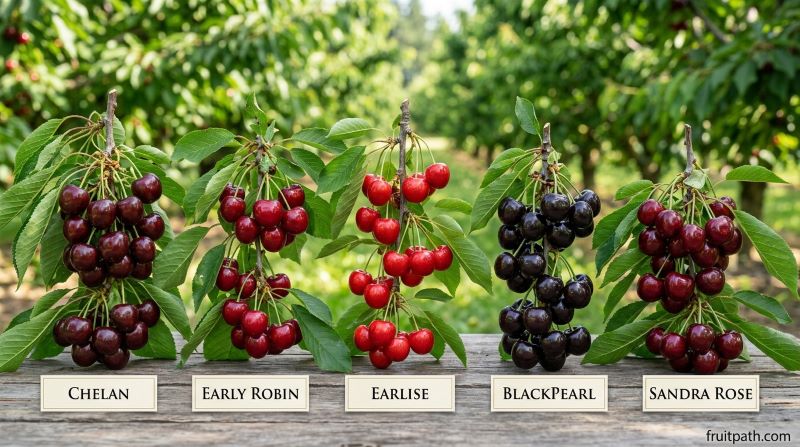
- Early Season (Ripen 2–3 Weeks Before Bing)
- Chelan
- Early Robin
- Earlise (Early Burlat)
- BlackPearl
- Sandra Rose
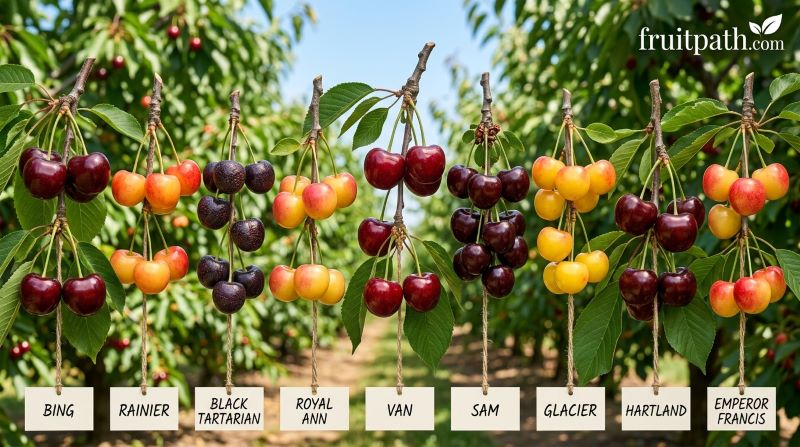
- Mid-Season (Ripen Around the Same Time as Bing)
6. Bing
7. Rainier
8. Black Tartarian
9. Royal Ann (Napoleon)
10. Van
11. Sam
12. Glacier
13. Hartland
14. Emperor Francis.
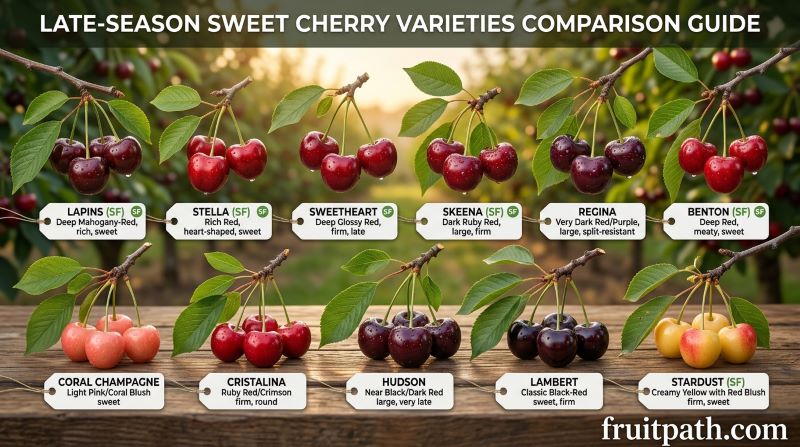
- Late Season (Ripen 2–6 Weeks After Bing)
15. Lapins ✅ (Self-Fertile)
16. Stella ✅ (Self-Fertile)
17. Sweetheart ✅ (Self-Fertile)
18. Skeena ✅ (Self-Fertile)
19. Regina ✅ (Self-Fertile — Partial)
20. Benton
21. Coral Champagne
22. Cristalina
23. Hudson
24. Lambert
25. Stardust ✅ = Self-fertile (no second tree needed) | All others require a compatible pollinator nearby.
Early-Season Sweet Cherries:
These are the first cherries of summer. If you want fruit in late May or early June, plant at least one early-season variety.
1. Chelan:
Flavor: Rich, sweet, mild | Color: Dark mahogany red | Size: Large Crack Resistance: ⭐⭐⭐⭐⭐ Excellent | Self-Fertile? ❌ No | Best Zones: 5–8 Best For: Early harvest, rainy Pacific Northwest climates, fresh eating
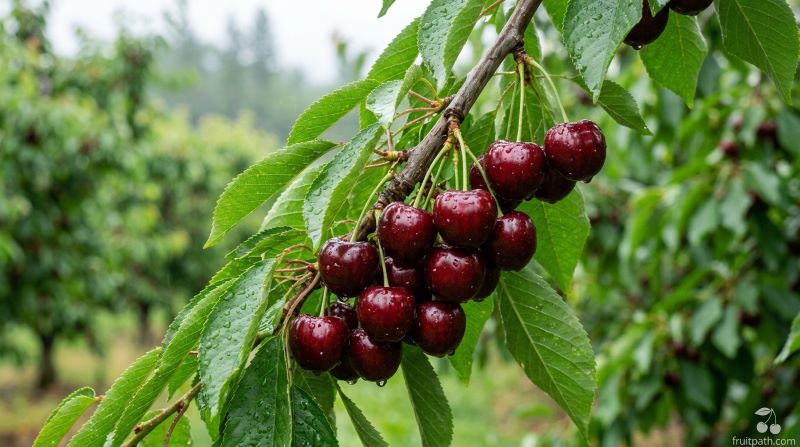
Chelan is one of the best early sweet cherry varieties for home growers and small farms. It ripens about 17 days before Bing, so you are harvesting while most gardeners are still waiting. Firm flesh, excellent crack resistance, and great flavor make this a top choice in the Pacific Northwest and wet climates. Widely available at nurseries.
Pollinator tip: Compatible with Bing, Rainier, Lapins, and Stella.
2. Early Robin:
Flavor: Sweet, pleasant, mild | Color: Dark red to black | Size: Medium-large Crack Resistance: ⭐⭐⭐ Good | Self-Fertile? ❌ No | Best Zones: 5–8 Best For: The very earliest harvest, home gardens
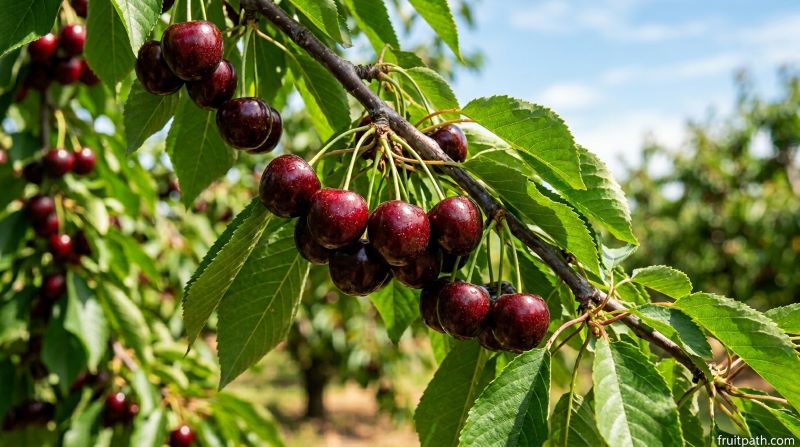
Early Robin lives up to its name; it’s one of the earliest sweet cherries you can grow, ripening up to 3 weeks before Bing. The flavor is solid and sweet for such an early ripener. It’s not as crack-resistant as Chelan, so it’s better suited to drier climates. A great choice if you want cherries on the table before summer even officially starts.
Pollinator tip: Pairs well with Bing, Van, or Chelan.
3. Earlise (Early Burlat):
Flavor: Sweet, slightly aromatic | Color: Dark red | Size: Large Crack Resistance: ⭐⭐⭐ Moderate | Self-Fertile? ❌ No | Best Zones: 5–8 Best For: Early markets, home fresh eating
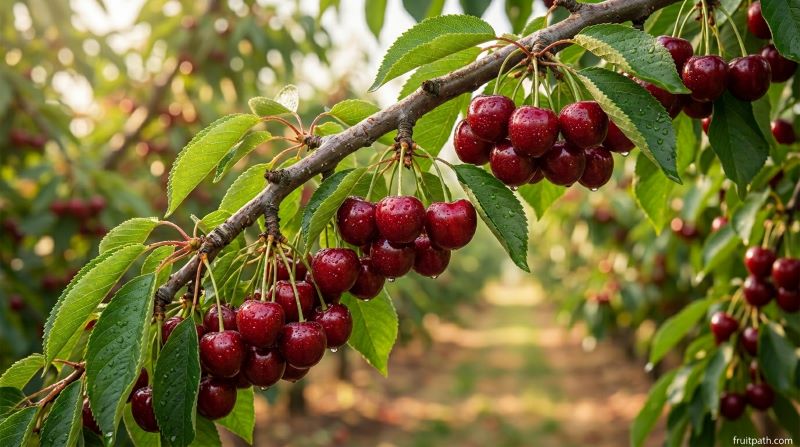
Earlise (also called Early Burlat in Europe) is a popular early-season variety widely grown in France, Italy, and increasingly in North American orchards. It has a good, sweet flavor and large fruit size for such an early ripener. Not ideal in very wet springs due to moderate crack resistance, but a solid producer in most climates.
4. BlackPearl:
Flavor: Very sweet, rich, low acid | Color: Near-black | Size: Large Crack Resistance: ⭐⭐⭐⭐ Good | Self-Fertile? ❌ No | Best Zones: 5–8 Best For: Premium early fresh eating, farmers markets
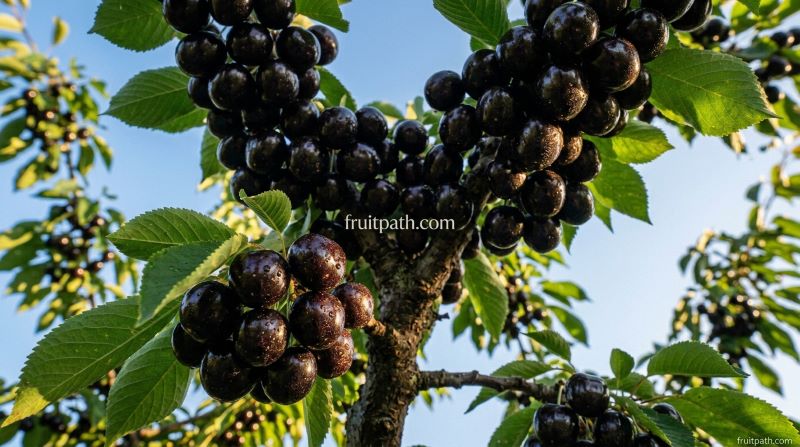
BlackPearl is a newer early-season variety that has been gaining popularity fast. Its near-black skin and very sweet, low-acid flavor make it a premium eating cherry. It ripens slightly later than Chelan but still well ahead of Bing. Stores well after harvest for an early variety, making it a favorite for roadside stands and markets.
5. Sandra Rose:
Flavor: Sweet, firm, mild | Color: Dark red | Size: Large Crack Resistance: ⭐⭐⭐⭐ Good | Self-Fertile? ❌ No | Best Zones: 5–8 Best For: Early harvest, fresh eating, beginner growers
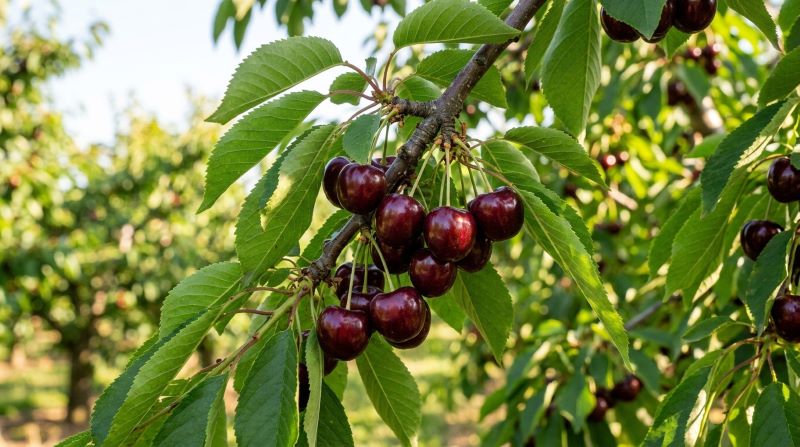
Sandra Rose is a reliable early-season producer with consistent quality. It’s not the most famous name in cherry growing, but experienced orchardists love it for its dependable cropping and decent crack resistance. Good choice for home growers who want an early cherry that doesn’t require a lot of fuss.
Mid-Season Sweet Cherries :
Mid-season cherries are the heart of the cherry season, which starts from June into early July in most growing regions.
6. Bing The Classic:
Flavor: Rich, bold, sweet with floral notes | Color: Deep mahogany to near-black | Size: Large Crack Resistance: ⭐⭐ Fair (poor in wet conditions) | Self-Fertile? ❌ No | Best Zones: 5–8 Best For: The gold standard for fresh eating.
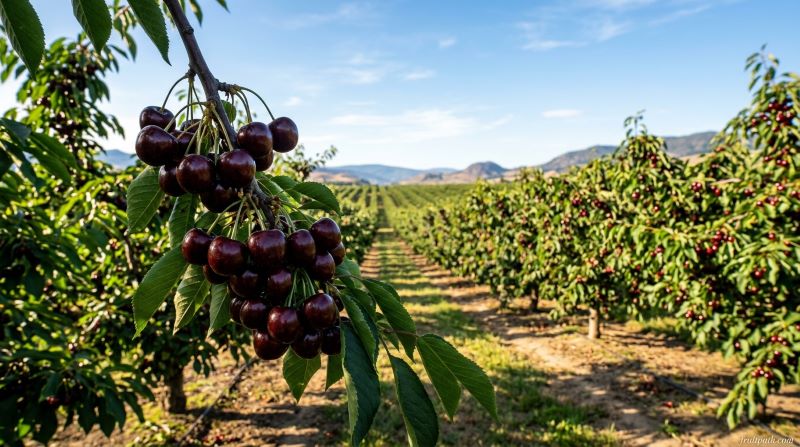
Bing is the most recognized cherry variety in North America, the benchmark against which all others are measured. Bold, sweet flavor. Firm, juicy flesh. Gorgeous dark color. If you have bought cherries at a grocery store, they were almost certainly Bing.
The one weakness of Bing cherries is that they crack badly in wet weather near harvest time. In rainy climates, choose a crack-resistant alternative like Chelan or Sweetheart. For everywhere else, Bing is the king.
Pollinator tip: Bing cannot pollinate Rainier (they’re related). Use Chelan, Lapins, or Stella.
7. Rainier The Premium:
Flavor: Exceptionally sweet, honey-like, very low acid | Color: Golden yellow with a red-pink blush | Size: Extra-large Crack Resistance: ⭐⭐ Fair | Self-Fertile? ❌ No | Best Zones: 5–8 Best For: Gourmet fresh eating, gift boxes, premium markets.
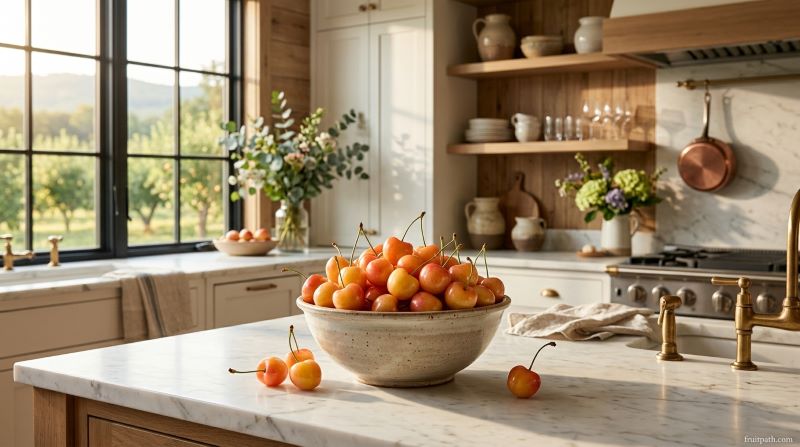
Rainier is arguably the world’s most prized sweet cherry. Its beautiful golden skin with a rosy blush makes it as stunning to look at as it is to eat. The flavor is extraordinarily creamy, sweet, and almost honey-like with very little tartness.
It’s pricier at the market because it’s delicate and hard to grow at scale. Birds go crazy for Rainier (they prefer light-colored fruit), so netting is essential. Worth every bit of effort.
Pollinator tip: Bing works well. Avoid pairing with its parent varieties (Van and Vega).
8. Black Tartarian:
Flavor: Very sweet, rich, juicy, tender | Color: Dark purple-black | Size: Medium Crack Resistance: ⭐⭐ Low | Self-Fertile? ❌ No | Best Zones: 5–8 Best For: Fresh eating off the tree, home gardens, warm, dry climates
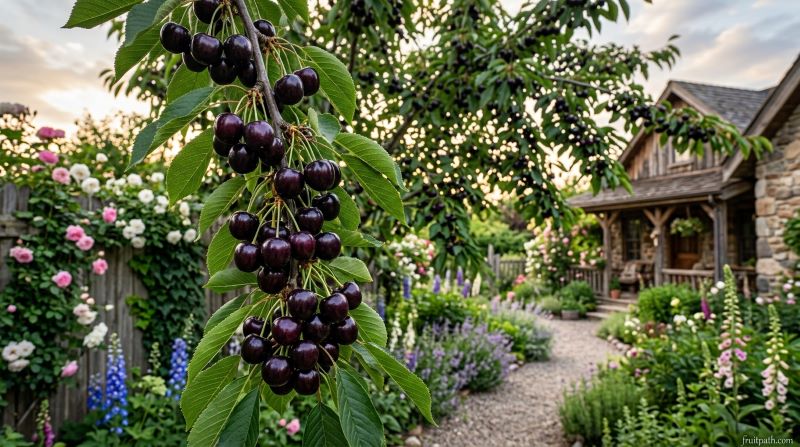
Black Tartarian is one of the oldest known cherry varieties, with roots going back to Russia in the 1700s. The fruit is incredibly juicy and sweet, so tender it practically melts in your mouth. The downside is that it doesn’t ship well or hold up in the rain. This variety is a “walk up to the tree and eat them” cherry. Not for commercial growing, but absolutely wonderful in the home garden. Also an excellent pollinator for many other varieties.
9. Royal Ann (Napoleon):
Flavor: Sweet, mild, slightly floral | Color: Yellow-pink, light skin with red blush | Size: Large Crack Resistance: ⭐⭐ Fair | Self-Fertile? ❌ No | Best Zones: 5–8 Best For: Maraschino cherries, canning, fresh eating, ornamental appeal
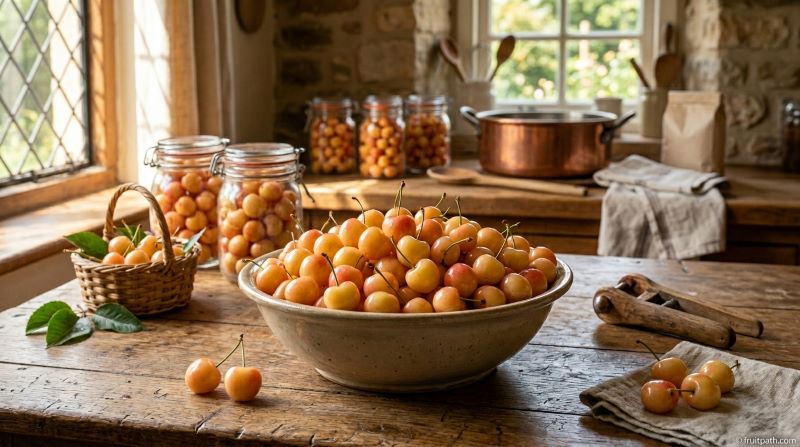
Royal Ann, also called Napoleon in Europe, is a historic variety and the source of commercial maraschino cherries. Its light yellow skin with a pink blush gives it a beautiful appearance unlike any other cherry. The flavor is sweet and mild. It’s mostly grown for canning and processing today, but it’s a great fresh-eating cherry too, especially for those who prefer a lighter, less intense cherry flavor.
10. Van Cherry:
Flavor: Sweet, firm, rich | Color: Dark red to mahogany | Size: Medium Crack Resistance: ⭐⭐⭐ Good | Self-Fertile? ❌ No | Best Zones: 5–8 Best For: Fresh eating, excellent universal pollinator.
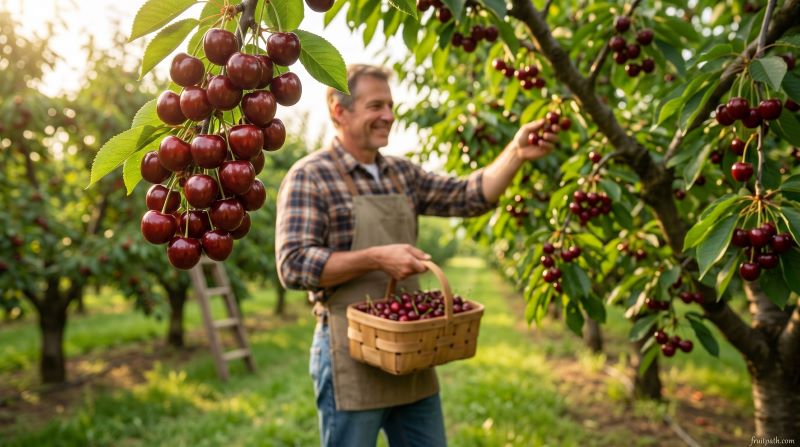
Van is a workhorse of the cherry world. The fruit is smaller than modern varieties, but the flavor is very good, sweet, firm, and reliable year after year. Its biggest value is as a universal pollinator: Van is compatible with almost every other sweet cherry variety, making it an excellent companion tree. If you’re planting multiple sweet cherries and need a reliable pollinator, Van is a top choice.
11. Sam Cherry:
Flavor: Sweet, firm, pleasant | Color: Dark red | Size: Medium-large Crack Resistance: ⭐⭐⭐⭐ Good | Self-Fertile? ❌ No | Best Zones: 5–8 Best For: Pollinator tree, home gardens, reliable cropping
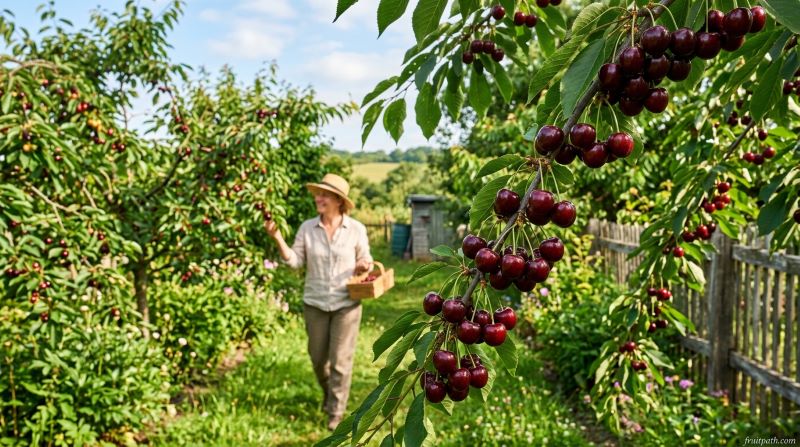
Sam is a Canadian-bred mid-season variety known primarily as an excellent pollinator. The fruit is good, sweet, and firm, but Sam’s real value is its compatibility with almost all other sweet cherries. It’s a dependable, low-drama tree that reliably produces good fruit and helps all its neighbors do the same. If you have a Bing or Rainier that’s underperforming, planting a Sam nearby often fixes the problem.
12. Glacier
Flavor: Sweet, mild, firm | Color: Dark red | Size: Medium-large Crack Resistance: ⭐⭐⭐⭐ Good | Self-Fertile? ❌ No | Best Zones: 6–9 Best For: Warmer climates (California, Pacific Coast), lower chill hours
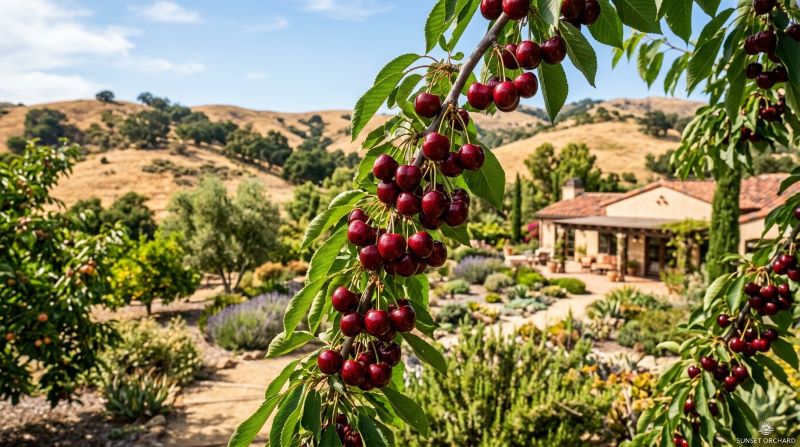
Glacier is a standout for gardeners in warmer climates. It needs fewer chill hours than most sweet cherries (around 700 hrs), making it one of the best options for Zone 7–9 gardeners in California, the mid-Atlantic, and similar regions. Flavor is sweet and pleasant, and crack resistance is solid. Not a household name, but a very practical choice if you live somewhere with mild winters.
13. Hartland:
Flavor: Sweet, mild, firm | Color: Dark red | Size: Large Crack Resistance: ⭐⭐⭐⭐ Good | Self-Fertile? ❌ No | Best Zones: 5–8 Best For: Mid-Atlantic and Northeast home gardens
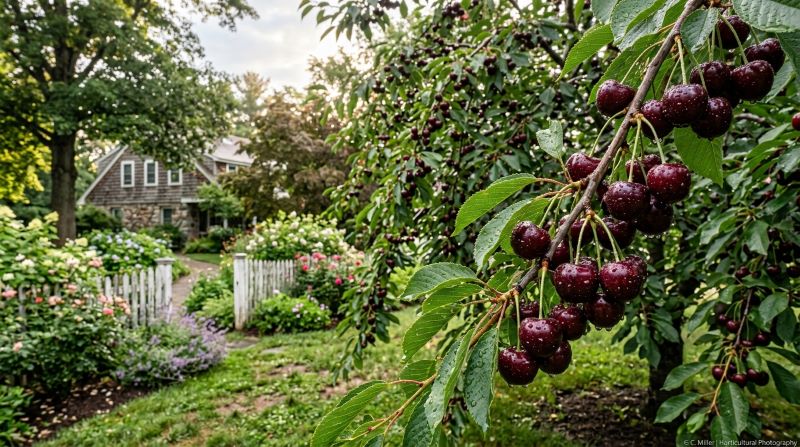
Hartland is a mid-season variety bred specifically for the eastern United States, where it performs better than many West Coast-bred cherries. It’s firmer and more crack-resistant than Bing, and produces large, beautiful, dark-red fruit. Not as widely known as Bing or Rainier, but worth seeking out if you garden east of the Rockies.
14. Emperor Francis:
Flavor: Sweet, mild, low acid | Color: Light yellow-red, similar to Royal Ann | Size: Large Crack Resistance: ⭐⭐⭐ Moderate | Self-Fertile? ❌ No | Best Zones: 5–8 Best For: Fresh eating, canning, ornamental appeal
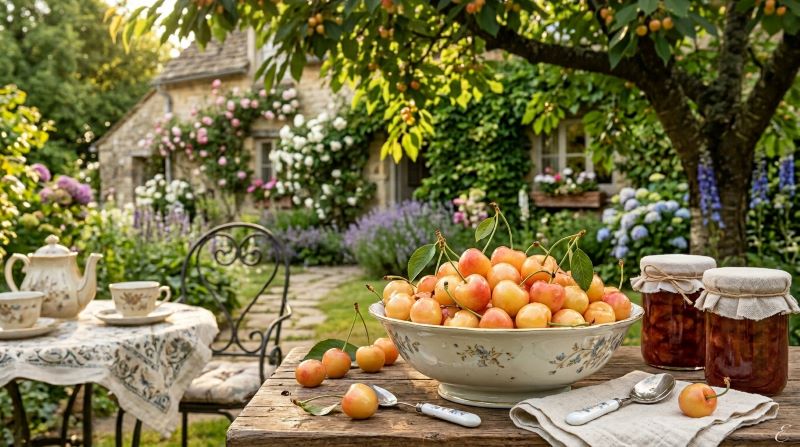
Emperor Francis is a beautiful light-colored sweet cherry, similar to Royal Ann but with a slightly firmer texture. It’s a historic variety with European origins and a following among gardeners who prefer a lighter, golden-blush cherry. The flavor is sweet and low in acid — great for people who find Bing a bit too intense. Also popular for canning and whole cherry preserves.
Late-Season Sweet Cherries:
Late-season varieties extend the cherry season deep into July and even into August in some climates. They’re especially valuable because they reduce the risk of spring frost damage to blossoms.
15. Lapins ⭐ Best Self-Fertile Overall:
Flavor: Sweet, rich, very close to Bing | Color: Dark red to mahogany | Size: Large Crack Resistance: ⭐⭐⭐⭐ Good | Self-Fertile? ✅ Yes | Best Zones: 5–8 Best For: One-tree gardens, beginner growers, fresh eating
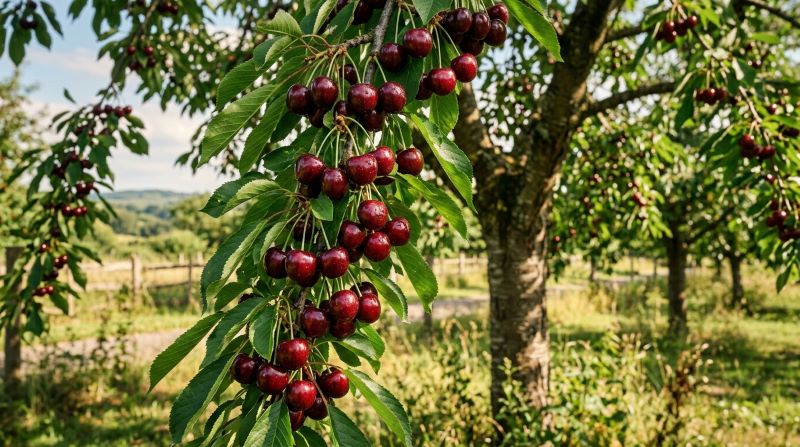
Lapins is the single most recommended self-fertile sweet cherry for home gardens. Developed in Canada, it’s slightly hardier than wide sweet varieties, ripens about 2 weeks after Bing, and produces large, dark, Bing-like fruit without needing a second tree. Reliable, widely available, and excellent flavor. If you can only plant one sweet cherry, plant Lapins.
16. Stella:
Flavor: Sweet, mild, pleasant | Color: Dark red | Size: Medium-large Crack Resistance: ⭐⭐⭐ Fair | Self-Fertile? ✅ Yes | Best Zones: 5–8 Best For: Home gardens, universal pollinator, beginners
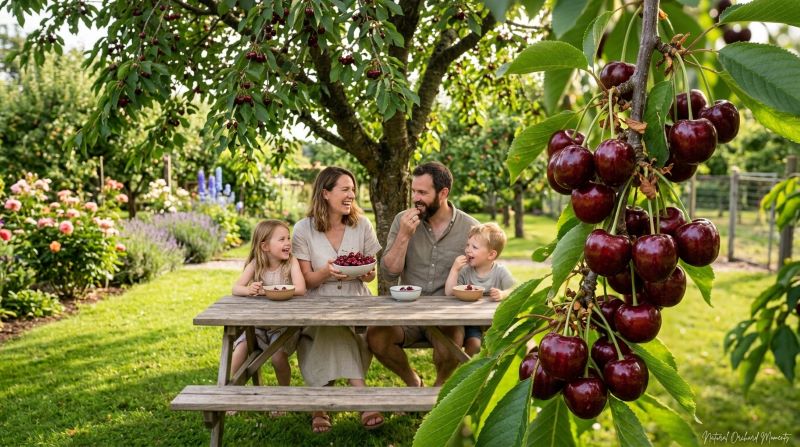
Stella was one of the first self-fertile sweet cherry varieties ever developed, a historic breakthrough in cherry breeding. It’s a reliable producer, easy to grow, and works well in home gardens. Flavor is good, but not as complex as Lapins or Bing. Its real superpower is pollination: Stella is compatible with virtually every other sweet cherry variety, making it the perfect companion tree.
17. Sweetheart Cherries:
Flavor: Sweet, mild, excellent fresh flavor | Color: Medium to dark red | Size: Medium-large Crack Resistance: ⭐⭐⭐⭐⭐ Outstanding | Self-Fertile? ✅ Yes | Best Zones: 5–8 Best For: Rainy climates, late-season harvest, UK, and Pacific Northwest gardens.
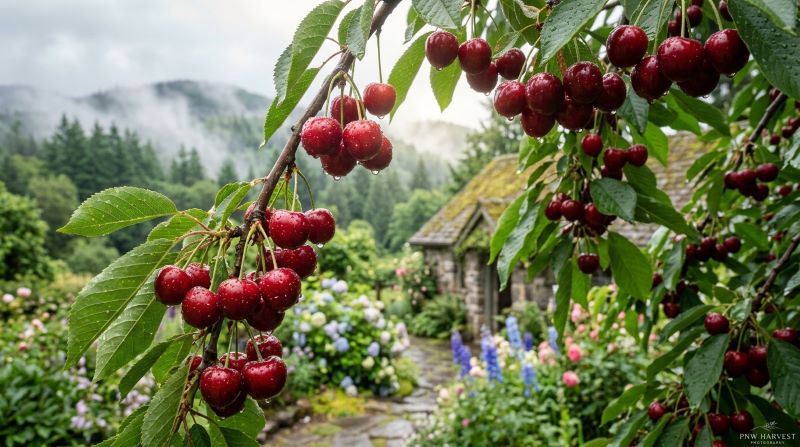
Sweetheart ripens about 5 weeks after Bing, extending your cherry season deep into late summer. Its outstanding crack resistance makes it the go-to choice for rainy climates like the UK, Ireland, and the Pacific Northwest. Self-fertile, late-blooming (reducing frost risk), and very good flavor, one of the most practical sweet cherry varieties you can plant.
18. Skeena Cherry:
Flavor: Rich, very sweet, premium quality | Color: Deep mahogany | Size: Large Crack Resistance: ⭐⭐⭐⭐ Good | Self-Fertile? ✅ Yes | Best Zones: 5–8 Best For: Premium fresh eating, late harvest, serious home growers
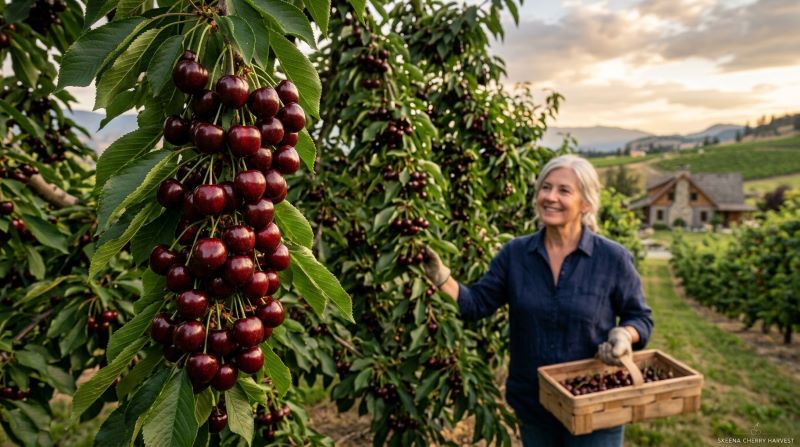
Skeena is a newer Canadian-bred variety that has quickly earned a reputation for outstanding eating quality. It ripens about 4 weeks after Bing and produces large, dark, deeply flavored cherries that rival Bing in taste while beating it in crack resistance and self-fertility. Highly recommended for the home grower who wants the best possible fruit from a single tree.
19. Regina Cherry:
Flavor: Sweet, firm, low acid, excellent quality | Color: Dark red | Size: Extra-large Crack Resistance: ⭐⭐⭐⭐⭐ Outstanding | Self-Fertile? ✅ Partially | Best Zones: 5–7 Best For: Rainy climates, European growing conditions, premium markets
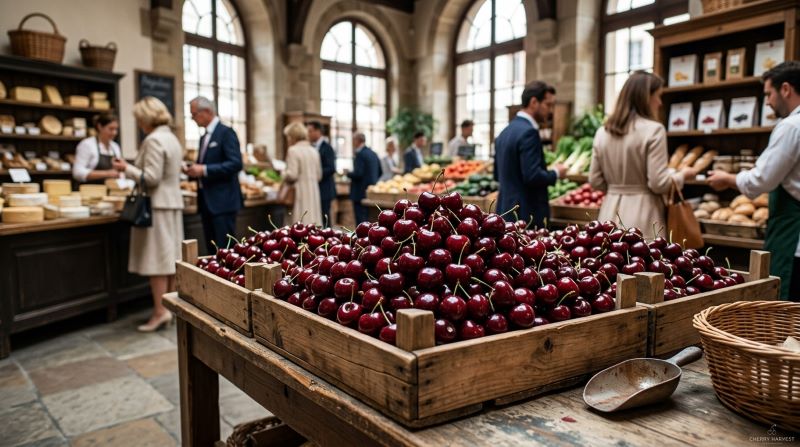
Regina is a German-bred variety and arguably the best late-season sweet cherry for wet climates. Its crack resistance is the gold standard in the industry. Large, firm, beautiful fruit that hangs on the tree well even after full ripeness — so you don’t have to rush the harvest. Widely grown in Germany, France, and the UK. Increasingly popular in North American home gardens.
20. Benton cherry:
Flavor: Sweet, firm, slightly more complex than Bing | Color: Dark red | Size: Large Crack Resistance: ⭐⭐⭐⭐ Good | Self-Fertile? ❌ No | Best Zones: 5–8 Best For: Pacific Northwest, premium fresh eating, late harvest.
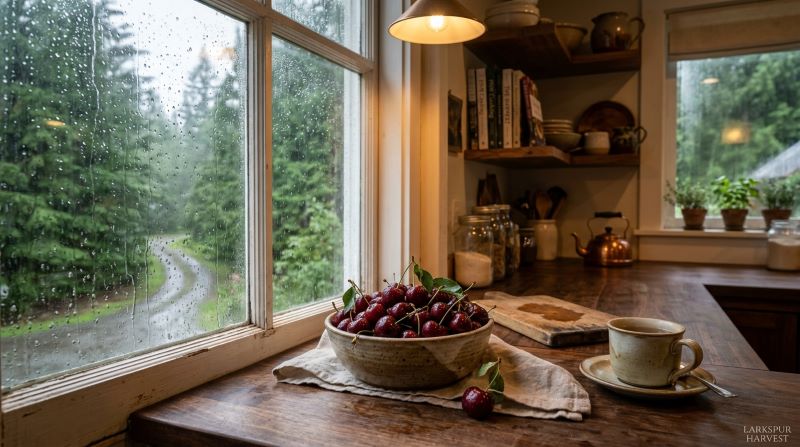
Benton was developed by Washington State University and bred specifically for the Pacific Northwest growing conditions. It ripens about 1–2 weeks after Bing and has significantly better crack resistance while maintaining excellent flavor. It’s an excellent alternative to Bing for rainy western climates. Widely planted in Washington and Oregon commercial orchards.
21. Coral Champagne:
Flavor: Sweet, mild, light flavor, low acid | Color: Light yellow-orange with pink blush | Size: Large Crack Resistance: ⭐⭐⭐ Moderate | Self-Fertile? ❌ No | Best Zones: 6–9 Best For: Warm climates, low-chill gardens, fresh eating, visual appeal
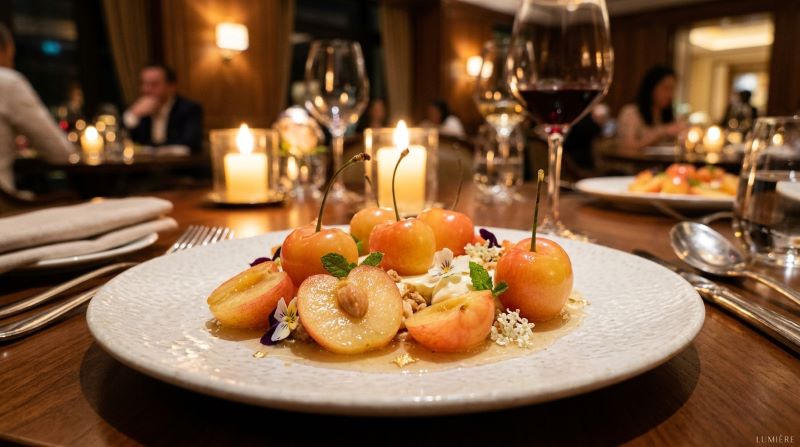
Coral Champagne is an eye-catching variety with a distinctive salmon-coral color unlike any other cherry. It performs best in warmer climates and needs fewer chill hours than most sweet cherries. The flavor is sweet and mild — perfect for people who find dark cherries too intense. A great conversation piece at farmers’ markets and in the home garden.
22. Cristalina cherries:
Flavor: Very sweet, excellent flavor, slightly honey-like | Color: Dark mahogany | Size: Large to extra-large Crack Resistance: ⭐⭐⭐⭐⭐ Outstanding | Self-Fertile? ❌ No | Best Zones: 5–8 Best For: Premium markets, gourmet eating, rainy climates
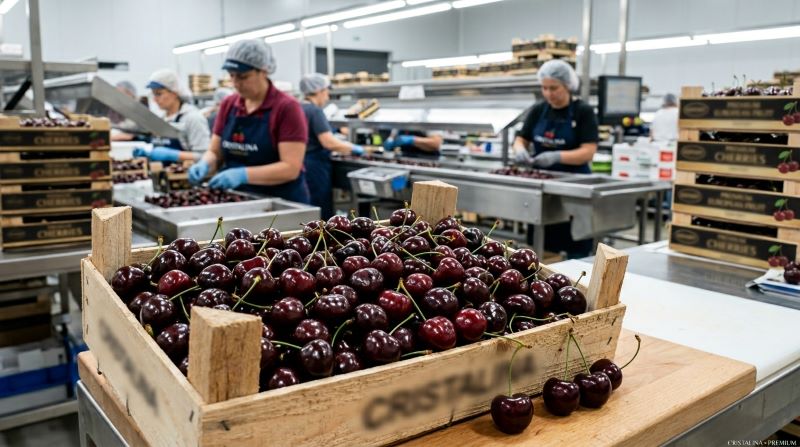
Cristalina is a Spanish-bred late-season variety that has gained a strong following in European commercial growing. It combines premium flavor (comparable to Bing or Skeena), outstanding crack resistance, and impressive fruit size. Not as easy to find at retail nurseries as other varieties, but worth sourcing from specialty growers if you want a top-tier late cherry.
23. Hudson Cherries:
Flavor: Sweet, mild, pleasant | Color: Dark mahogany | Size: Large Crack Resistance: ⭐⭐⭐⭐ Good | Self-Fertile? ❌ No | Best Zones: 5–7 Best For: Eastern U.S. home gardens, late-season fresh eating.
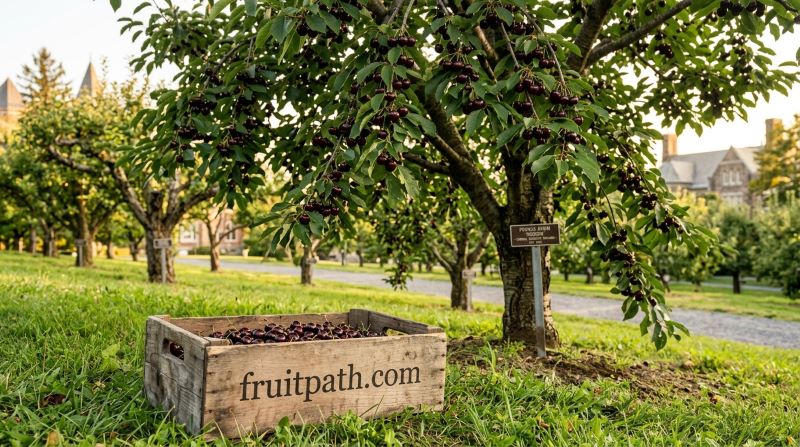
Hudson is a Cornell University-developed late-season variety bred for performance in eastern North America. It ripens very late — up to 6 weeks after Bing — and produces large, sweet, dark fruit with good crack resistance. One of the best choices for Zone 5–6 gardeners in the Midwest, Great Lakes region, and Northeast who want a reliable late-season sweet cherry.
24. Lambert Cherry:
Flavor: Sweet, rich, firm | Color: Dark red to black | Size: Large Crack Resistance: ⭐⭐ Low (cracks in rain) | Self-Fertile? ❌ No | Best Zones: 5–8 Best For: Dry climates, California orchards, premium fresh eating.
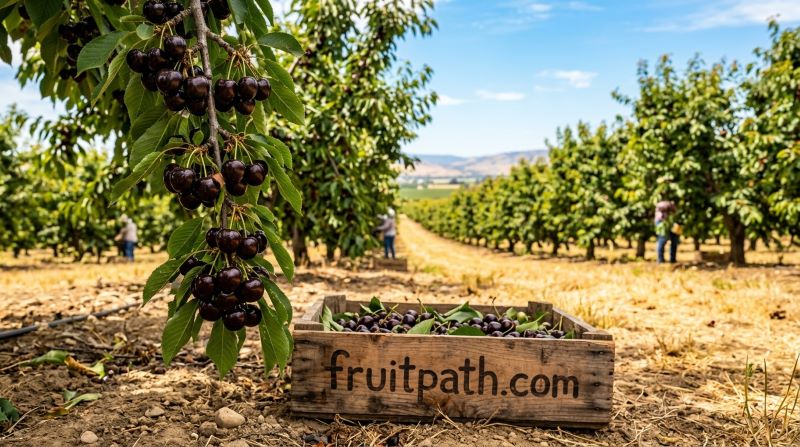
Lambert is a classic old-school sweet cherry that was once the commercial standard before Bing took over. The flavor is excellent — sweet, rich, and complex. The problem is crack resistance: Lambert splits badly in rain and is best grown in dry summers (Eastern Washington, California, or similar climates). If you’re in a dry region and want a classic late cherry with outstanding flavor, Lambert still delivers.
25. Stardust Cherries:
Flavor: Sweet, mild, light flavor | Color: Light yellow-cream with pink blush | Size: Large Crack Resistance: ⭐⭐⭐ Moderate | Self-Fertile? ❌ No | Best Zones: 6–9 Best For: Low-chill climates, fresh eating, visual novelty
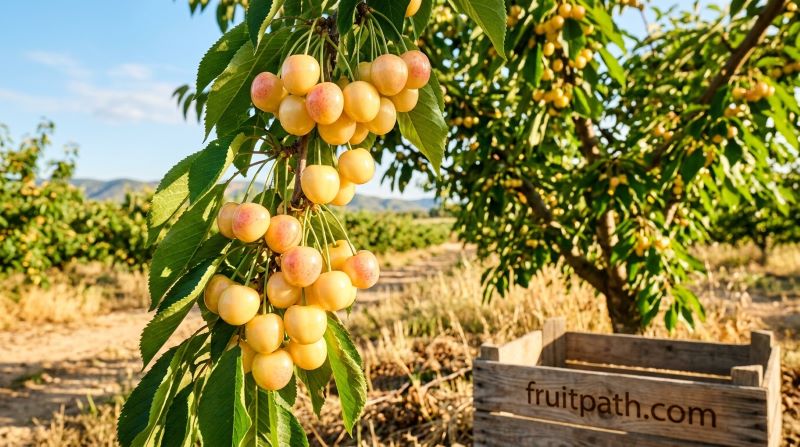
Stardust is a light-skinned late-season variety similar to Rainier in appearance but with a slightly different flavor profile — milder and less intense. It performs well in warmer climates with lower chill hour requirements—a good choice for Zone 7–9 gardeners looking for a beautiful, golden late cherry.
Self-Fertile Sweet Cherry Varieties — Quick Reference:
If you only have space for one sweet cherry tree, here’s your shortlist:
| Variety | Ripening | Flavor Quality | Crack Resistance | Notes |
| Lapins | 2 weeks after Bing | ⭐⭐⭐⭐⭐ | ⭐⭐⭐⭐ | Best all-around pick |
| Stella | 1 week after Bing | ⭐⭐⭐⭐ | ⭐⭐⭐ | Great pollinator too |
| Sweetheart | 5 weeks after Bing | ⭐⭐⭐⭐ | ⭐⭐⭐⭐⭐ | Best for rainy climates |
| Skeena | 4 weeks after Bing | ⭐⭐⭐⭐⭐ | ⭐⭐⭐⭐ | Premium flavor, late |
| Regina | 5–6 weeks after Bing | ⭐⭐⭐⭐⭐ | ⭐⭐⭐⭐⭐ | Best crack resistance |
Best Cherry Varieties Guide + Cherry Variety Chart:
Here is your at-a-glance cherry variety chart — the most shareable, useful table in this guide. Print it, bookmark it, or screenshot it for nursery visits.
Master Cherry Variety Chart:
| Variety | Type | Ripening (vs. Bing) | Color | Size | Self-Fertile? | Crack Resistance | Best Zones | Best For |
| Chelan | Sweet | 17 days early | Dark red | Large | ❌ | ⭐⭐⭐⭐⭐ | 5–8 | Early harvest, rainy areas |
| Brooks | Sweet | 7–10 days early | Dark red | X-Large | ❌ | ⭐⭐⭐⭐ | 6–8 | Fresh eating, markets |
| Bing | Sweet | Benchmark | Dark mahogany | Large | ❌ | ⭐⭐ | 5–8 | Classic fresh eating |
| Rainier | Sweet | Same as Bing | Yellow/red blush | X-Large | ❌ | ⭐⭐ | 5–8 | Premium/gourmet eating |
| Lapins | Sweet | 2 weeks late | Dark red | Large | ✅ | ⭐⭐⭐⭐ | 5–8 | One-tree gardens |
| Stella | Sweet | 1 week late | Dark red | Med-Large | ✅ | ⭐⭐⭐ | 5–8 | Pollinator, home garden |
| Sweetheart | Sweet | 5 weeks late | Med-Dark red | Med-Large | ✅ | ⭐⭐⭐⭐⭐ | 5–8 | Rainy climates, late harvest |
| Skeena | Sweet | 4 weeks late | Dark mahogany | Large | ✅ | ⭐⭐⭐⭐ | 5–8 | Premium, single-tree |
| Regina | Sweet | 5–6 weeks late | Dark red | X-Large | ✅ (partial) | ⭐⭐⭐⭐⭐ | 5–7 | Rainy climates, top quality |
| Montmorency | Tart | Midsummer | Bright red | Med | ✅ | ⭐⭐⭐⭐ | 4–7 | Pies, jams, juice |
| North Star | Tart/Dwarf | Midsummer | Dark red | Small | ✅ | ⭐⭐⭐⭐ | 4–7 | Small gardens, baking |
| Juliet | Bush/Tart | Late | Dark red | Small-Med | ✅ | ⭐⭐⭐⭐⭐ | 2–7 | Extreme cold, containers |
| Carmine Jewel | Bush/Tart | Mid-Late | Bright red | Small | ✅ | ⭐⭐⭐⭐⭐ | 2–7 | Cold climates, containers |
Best Cherry Variety by Use Case:
Best for fresh eating: Rainier, Bing, Skeena.
Best for baking and pies: Montmorency, Morello, Meteor.
Best for small gardens (1 tree only): Lapins, Stella, Sweetheart.
Best for rainy or wet climates: Sweetheart, Regina, Chelan.
Best for cold climates (Zone 3–4): Juliet, Carmine Jewel, North Star.
Best for containers or patios: North Star on Gisela 5, Juliet, Carmine Jewel.
Best for beginners: Stella, Lapins, Montmorency.
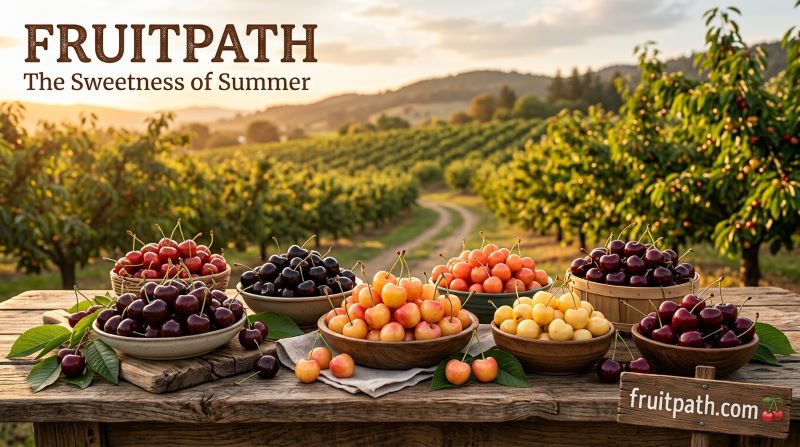
Dwarf Cherry Varieties Guide: Ideal for Small Spaces and Containers:
One of the biggest trends in home fruit growing is container gardening and small-space orchards. The good news for cherry lovers? There’s a whole world of dwarf cherry varieties that make it totally possible.
What Makes a Cherry “Dwarf”?
A cherry tree becomes dwarf or semi-dwarf in two ways:
- Rootstock: The same variety grafted onto a dwarfing rootstock, such as Gisela 5 or Gisela 6, will grow much smaller than on a standard rootstock.
- Genetic dwarf or bush types: Some cherry varieties are naturally compact by genetics, like the Romance series bush cherries.
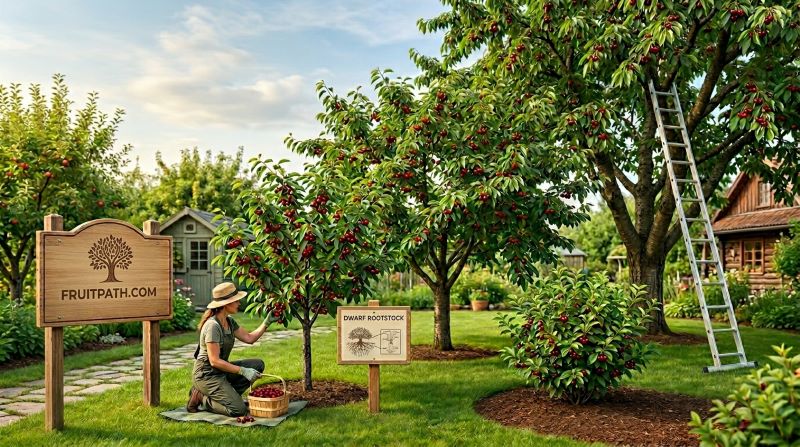
Best Dwarf and Semi-Dwarf Sweet Cherries
Stella on Gisela 5 Rootstock
Height: 8–10 feet | Container-Friendly? Yes, with a large pot (25+ gallons). Self-Fertile? ✅ Yes | Expected Yield: 15–30 lbs per tree at maturity
Stella grafted onto Gisela 5 rootstock is one of the most popular choices for small gardens and container growing. Gisela 5 produces a tree about 40–50% the size of a standard tree, while keeping excellent fruit quality. Plant in a large container with good drainage and feed regularly.
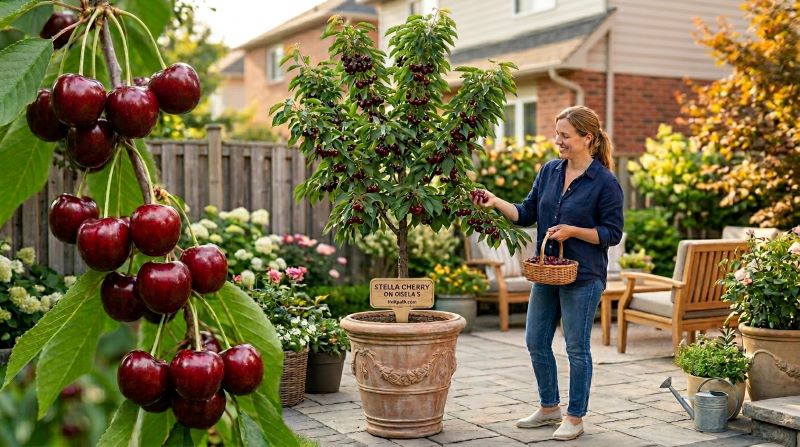
Compact Stella (Genetic Dwarf)
Height: 6–8 feet | Container-Friendly? Yes Self-Fertile? ✅ Yes | Expected Yield: 10–20 lbs at maturity
A naturally compact form of Stella that doesn’t need dwarfing rootstock. Good for patio pots and small raised beds. Flavor is similar to standard Stella — sweet and pleasant.
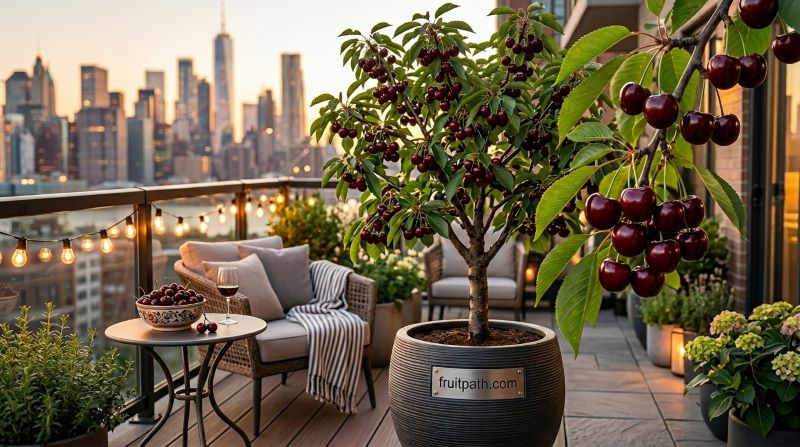
Best Dwarf Tart and Bush Cherry Varieties
North Star:
Type: Tart | Height: 6–10 feet | USDA Zones: 3–8 Self-Fertile? ✅ Yes | Container-Friendly? Yes (large container) Flavor: Tart, bright | Best For: Pies, preserves, small gardens
North Star is the classic small-garden tart cherry. It grows on its own, with dwarfing roots (no special rootstock needed), making it a naturally compact tree. It’s cold-hardy to Zone 3, extremely self-fertile, and reliably productive. The fruit is dark red and perfect for any baked cherry recipe.
Pros: Very cold-hardy, no pollinator needed, manageable size.
Cons: Fruit is tart — not ideal for fresh eating.
Carmine Jewel (Romance Series)
Type: Bush cherry (sweet-tart hybrid) | Height: 5–7 feet | USDA Zones: 2–7 Self-Fertile? ✅ Yes | Container-Friendly? ✅ Yes (20+ gallon pot) Flavor: Sweet-tart balance | Best For: Fresh eating, baking, jams, cold climates
Carmine Jewel is a standout from the University of Saskatchewan’s Romance cherry series. These are bush-type cherries, not trees — they grow as multi-stemmed shrubs. Extremely cold-hardy (surviving to -40°F in some cases), self-fertile, and productive. The fruit is dark red and has a sweet-tart flavor that’s good enough to eat fresh, unlike traditional sour cherries.
Expected yield: 15–25 lbs per mature bush.
Pros: Outstanding cold hardiness, container-friendly, good flavor.
Cons: Slightly more tart than standard sweet cherries.
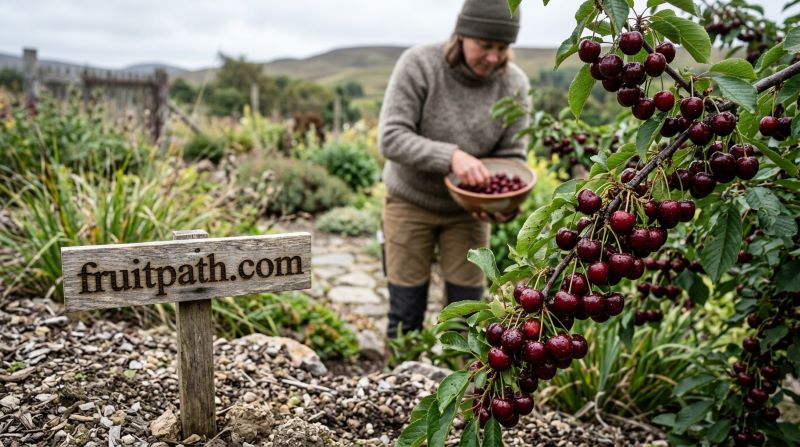
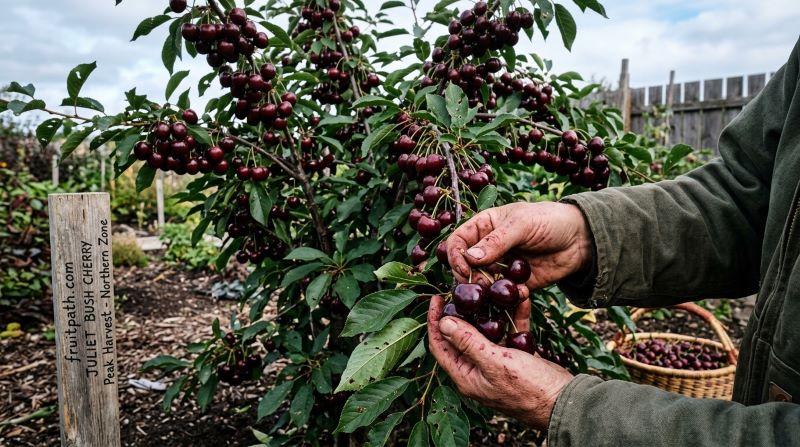
Juliet (Romance Series)
Type: Bush cherry | Height: 6–8 feet | USDA Zones: 2–7 Self-Fertile? ✅ Yes | Container-Friendly? ✅ Yes Flavor: Sweet-tart, excellent quality | Best For: Cold climates, snacking, jams
Juliet is the most popular of the Romance series cherries for good reason. The fruit is larger than Carmine Jewel, darker, and has a more balanced sweet-tart flavor. Many gardeners report eating Juliet cherries fresh off the bush. Like all Romance series, it’s virtually indestructible in cold climates and doesn’t need any help with pollination.
Pros: Best flavor in the Romance series, very large fruit for a bush cherry. Cons: Can be a bit messy to harvest (dark juice stains).
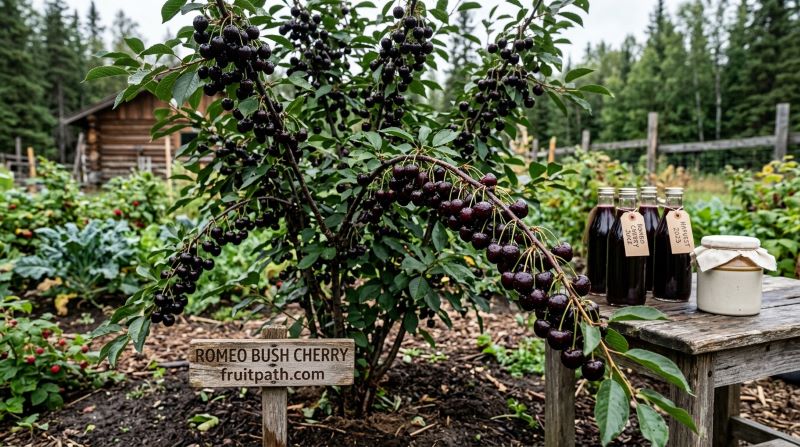
Romeo (Romance Series)
Type: Bush cherry | Height: 5–7 feet | USDA Zones: 2–7 Self-Fertile? ✅ Yes | Best For: Juice, wine, jams, dark cherry products
Romeo produces very dark, almost black fruit with a rich, complex flavor. It’s excellent for making cherry juice, wine, and dark preserves. Not as sweet as Juliet for fresh eating, but a powerhouse in the kitchen.
Dwarf Cherry Varieties vs. Standard: Quick Comparison:
| Feature | Standard Cherry Tree | Semi-Dwarf (Gisela 5) | Bush/Dwarf Cherry |
| Height | 20–30 ft | 10–15 ft | 5–8 ft |
| Years to First Fruit | 4–7 years | 3–5 years | 2–3 years |
| Container-Friendly | ❌ No | Maybe (large pot) | ✅ Yes |
| Yield at Maturity | 50–100+ lbs | 25–50 lbs | 15–30 lbs |
| Pruning Needs | High | Moderate | Low |
| Cold Hardiness | Zone 5–7 most | Zone 5–7 | Zone 2–7 |
For full planting and pruning instructions for any of these sizes, see our complete Cherry Trees Growing Guide.
Tart and Sour Cherry Varieties: The Home Gardener’s Secret Weapon:
Before going forward, we tell you a little secret: tart cherries are often easier to grow than sweet ones. Tart cherries are self-fertile (no second tree needed), hardier in cold climates, and more disease-resistant. They also happen to make the best pies, jams, and cherry juice you’ve ever tasted.
Top Tart Cherry Varieties For You:
Montmorency:
Height: 15–20 feet standard (8–10 on dwarf rootstock) | USDA Zones: 4–7 Self-Fertile? ✅ Yes | Color: Bright red |Flavor: Classic tart, bright, juicy. Best For: Pies, jams, dried cherries, juice, cherry concentrate.
Montmorency is the undisputed king of tart cherries in North America. It accounts for over 90% of all commercially grown tart cherries in the United States. The fruit is bright red with clear juice and the perfect balance of tartness and cherry flavor for baking. If you want to make the best cherry pie of your life, plant a Montmorency.
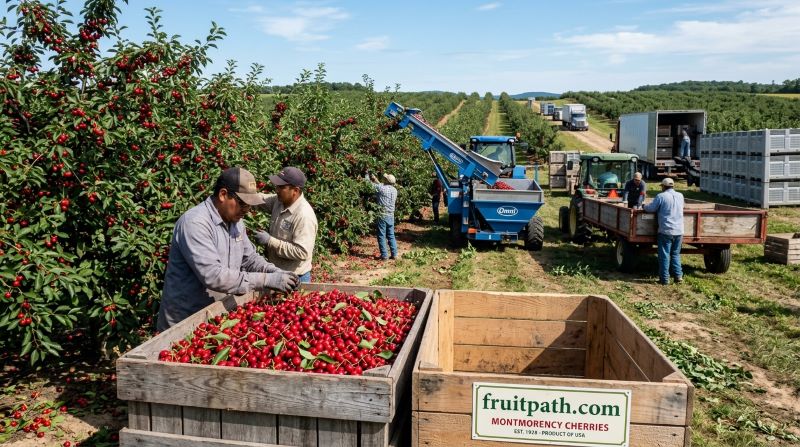
The Montmorecy cherries are self-fertile, reliable, and easy to grow in Zones 4–7. The main downside is tree size; standard trees get large. Seek out Montmorency on a semi-dwarf rootstock for smaller spaces.
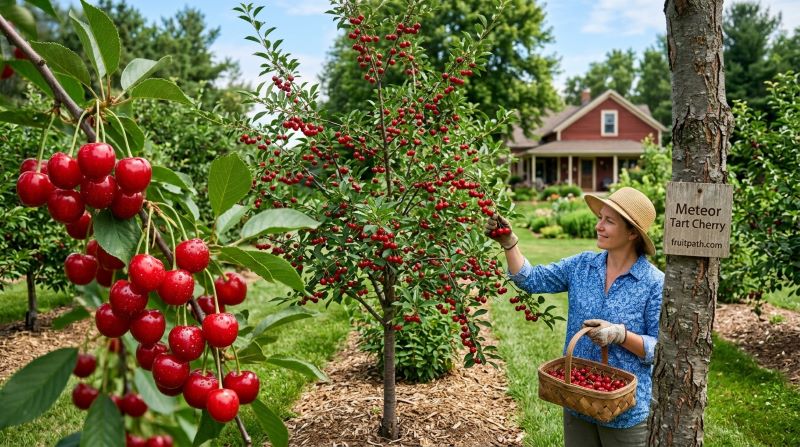
Meteor cherry:
Height: 10–12 feet | USDA Zones: 4–7 Self-Fertile? ✅ Yes | Color: Bright red | Flavor: Tart, similar to Montmorency Best For: Home gardens, pies, jams, small orchards.
Meteor is a natural semi-dwarf type of the tart cherry, making it ideal for home gardens with limited space. It produces large, bright red fruit very similar to Montmorency in flavor. It’s one of the hardiest tart cherry trees available and very low-maintenance, a great choice for gardeners in the Upper Midwest and Northeast.
Morello (also called English Morello)
Height: 12–15 feet | USDA Zones: 4–7 Self-Fertile? ✅ Yes | Color: Very dark red to near-black | Flavor: Deeply tart, rich, complex. Best For: European-style cooking, jams, cherry liqueur, and sauces.
Morello cherries have dark flesh and dark juice — very different from the bright-red Montmorency. The flavor is deeper and more complex, making them outstanding for European-style preserves, cherry sauces, and the famous Schwarzwälder Kirschtorte (Black Forest cake). Morellos also tolerate partial shade better than most cherry varieties, making them useful in trickier garden spots.
Why Tart Cherries Are Worth Growing:
Beyond their culinary value, tart cherries offer serious health benefits. Tart cherries are high in anthocyanins and the antioxidants that give them their deep red color, and have been studied for their anti-inflammatory effects, sleep support, and potential benefits for blood sugar management.
🔗 Learn more: See our post on Cherry Health Benefits and Diabetic-Friendly Uses for a deeper look at the nutritional science behind tart cherries.
How to Choose the Right Cherry Variety for Your Garden:
Now that you know all the cherry varieties, we can see all the options. Here is a simple decision-making framework to help you narrow down your choice using the cherry variety chart. The aspects mentioned below help you to start your home gardening hobby, whether indoor or outdoor gardening.
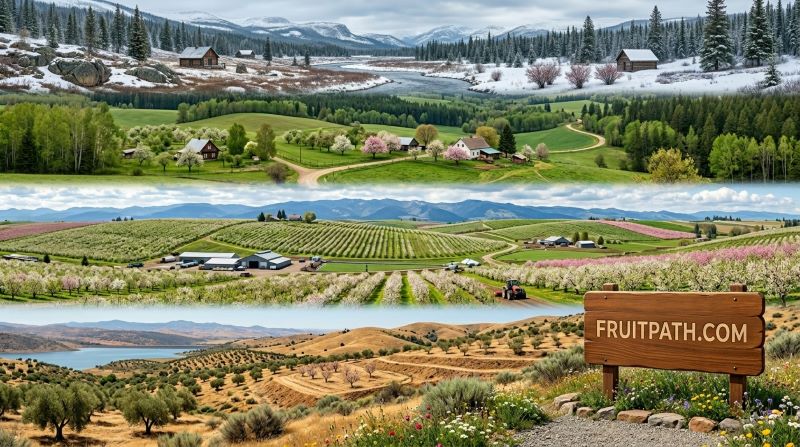
1: Check Your USDA Hardiness Zone:
Checking your region is the single most important factor. A cherry variety that thrives in Zone 7 may not survive a Zone 4 winter. Check your USDA Hardiness zones.
- Zone 2–3: Romance series bush cherries only (Juliet, Carmine Jewel, Romeo).
- Zone 4–5: North Star, Meteor, Montmorency, Lapins, Stella, Skeena.
- Zone 6–8: All sweet cherry varieties, all tart types.
- Zone 9+: Very few cherries succeed here — look for low-chill varieties.
2: Count Your Chill Hours:
Cherry trees need a certain number of cold hours (below 45°F) during winter to bloom properly in spring. Most sweet cherries need 700–900 chill hours. Tart cherries need 1,000+. If you’re in a mild-winter climate, look for low-chill varieties or skip cherries in favor of other stone fruits.
3: Assess Your Space:
Space Available —- Best Choice
Small patio/balcony, Carmine Jewel or North Star in a container.
Small yard (under 500 sq ft), Juliet, North Star, Stella on Gisela 5.
Medium yard Lapins, Skeena, Sweetheart, Meteor.
Large property Bing + Rainier pair, Montmorency standard.

4: Decide on Pollination Needs:
Most sweet cherries need a second compatible tree nearby to produce fruit. If you only have space for one tree, stick with self-fertile varieties: Lapins, Stella, Sweetheart, Skeena, or Skeena. All tart cherries and all Romance series bush cherries are self-fertile.
Pollination Compatibility Quick Table
| If You Have… | Good Pollinators Include… |
| Bing | Chelan, Rainier, Lapins, Stella |
| Rainier | Bing, Chelan, Lapins |
| Brooks | Chelan, Bing, Lapins |
| Lapins | Self-fertile, but also pollinates others |
| Stella | Self-fertile, excellent universal pollinator |
🔗 For a complete bloom-time pollination chart, see our post on Cherry Tree Blooming and Pollination Timing.
Beginner Recommendations:
If you’re starting, here are the safest, most rewarding picks:
Best starter sweet cherry: Lapins or Stella — both self-fertile, reliable, and widely available.
Best starter tart cherry: Montmorency — the gold standard, easy to find, easy to grow.
Best starter dwarf/bush cherry: Juliet or Carmine Jewel — nearly indestructible and great for small spaces.
Quick Growing and Care Summary:
This guide focuses on variety selection, but here’s a brief overview of what cherries need to thrive.
Planting: Full sun (6–8 hours minimum). Well-drained soil. Plant in early spring or fall. Avoid low spots where frost settles.
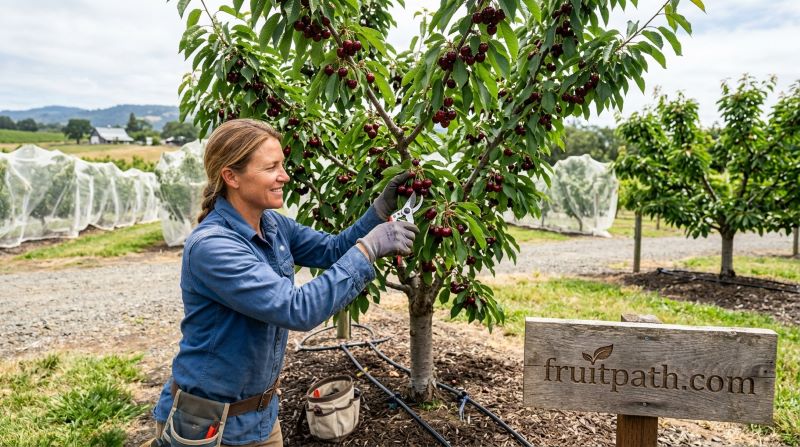
Pruning: Keep the center open for airflow. Sweet cherries are pruned to a central leader. Tart cherries and bush types are pruned to an open vase shape. Prune in late summer — not winter — to reduce disease risk.
Watering: Regular, deep watering during the growing season. Reduce watering as harvest approaches to reduce cracking risk.
Fertilizing: Light nitrogen feeding in early spring. Avoid heavy nitrogen feeding, which promotes leafy growth over fruit.
Common problems:
- Cherry cracking: Caused by rain near harvest. Choose crack-resistant varieties like Sweetheart or Regina.
- Brown rot: A fungal issue. Improve airflow and avoid overhead watering.
- Birds: Net trees as fruit ripens. Birds can strip a tree in hours.
- Aphids and cherry slug: Manageable with neem oil or insecticidal soap.
Harvesting, Storage, and Enjoying Your Cherries:
When to Harvest:
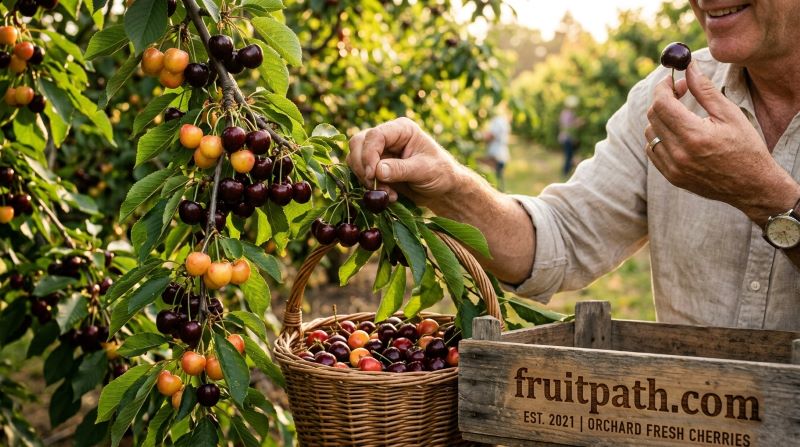
Sweet cherries are ready when they reach full color and come off the stem with a gentle twist. Don’t rush — a cherry picked a few days early loses much of its sweetness. Tart cherries are ready when the fruit is fully colored and slightly soft to the touch.
Pro tip: Always taste before you pick a full harvest. Color alone isn’t always a reliable indicator of ripeness, especially for yellow varieties like Rainier.
How to Store Fresh Cherries:
- Store unwashed in the refrigerator for up to 2 weeks.
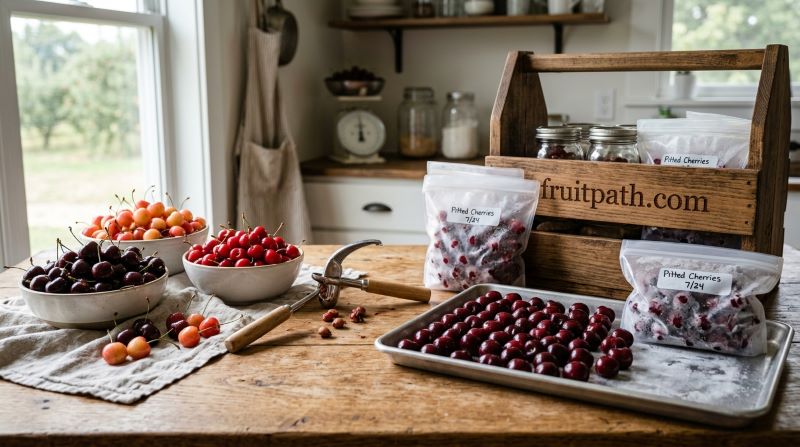
- For longer storage, freeze: pit the cherries, spread on a tray to freeze individually, then bag them. Frozen cherries keep 6–12 months.
- Tart cherries freeze beautifully and are perfect for pies baked straight from frozen.
Quick Recipe Ideas:
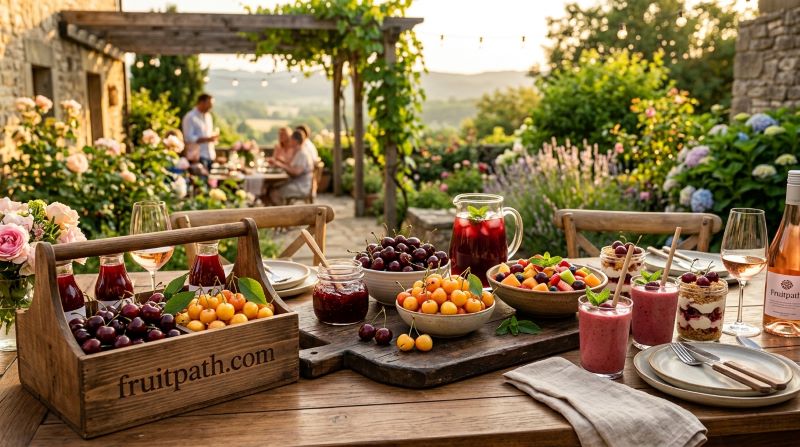
Fresh sweet cherries: Eat as-is, add to fruit salads, use in smoothies, pair with dark chocolate.
Tart cherries: Classic cherry pie, cherry jam, cherry sauce for duck or pork, cherry lemonade, Montmorency cherry juice (great for post-workout recovery).
Bush cherries: Make an incredible cherry compote — simmer with a little sugar and lemon zest, serve over yogurt or ice cream.
Your Perfect Cherry Is Out There:
Choosing the right cherry variety isn’t complicated once you understand the basics, like your climate zone, how much space you have, and what you want to do with the fruit.
To recap the key points from this cherry varieties guide:
- Sweet cherries like Bing, Rainier, and Lapins are ideal for fresh eating, but most need a pollinator unless you choose a self-fertile variety.
- Tart cherries like Montmorency and Meteor are easier to grow, self-fertile, and perfect for baking and preserving.
- Dwarf and bush cherries like Juliet, Carmine Jewel, and North Star open up cherry growing to anyone, even apartment balcony gardeners.
- Always match your variety to your USDA zone — that’s the single most important decision.
- Use the cherry variety chart in this guide to compare options quickly and confidently.
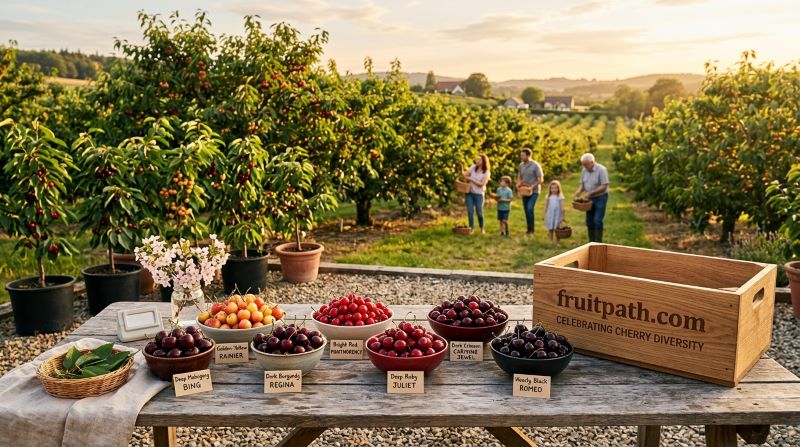
Whether you go with a classic Bing, a patio-sized Juliet bush, or a premium Regina for rainy weather, you can’t go wrong once you know what you’re looking for.
Happy growing. And even happier eating.
Frequently Asked Questions:
What is the sweetest cherry variety?
Rainier is widely considered the sweetest cherry variety available. It has very low acidity and a honey-like flavor. Among self-fertile options, Skeena and Sweetheart are both exceptionally sweet.
2. What cherry variety is best for pies?
Montmorency is the classic choice for cherry pies. Its bright tartness and high juice content make it the standard for American cherry pies. Morello works well for European-style recipes.
3. Can you grow cherries in containers?
Yes! North Star, Juliet, and Carmine Jewel all grow well in large containers (20–30 gallons). Sweet cherries on Gisela 5 rootstock can also be container-grown with proper care.
4. What is the most cold-hardy cherry variety?
The Romance series bush cherries (Juliet, Carmine Jewel, Romeo) are the hardiest, surviving in USDA Zone 2 and tolerating temperatures as low as -40°F.
5. Do all cherry trees need two trees for pollination?
No. Most tart cherries and all Romance series bush cherries are self-fertile. Among sweet cherries, Lapins, Stella, Sweetheart, and Skeena are self-fertile and will produce without a second tree.
Related Posts: